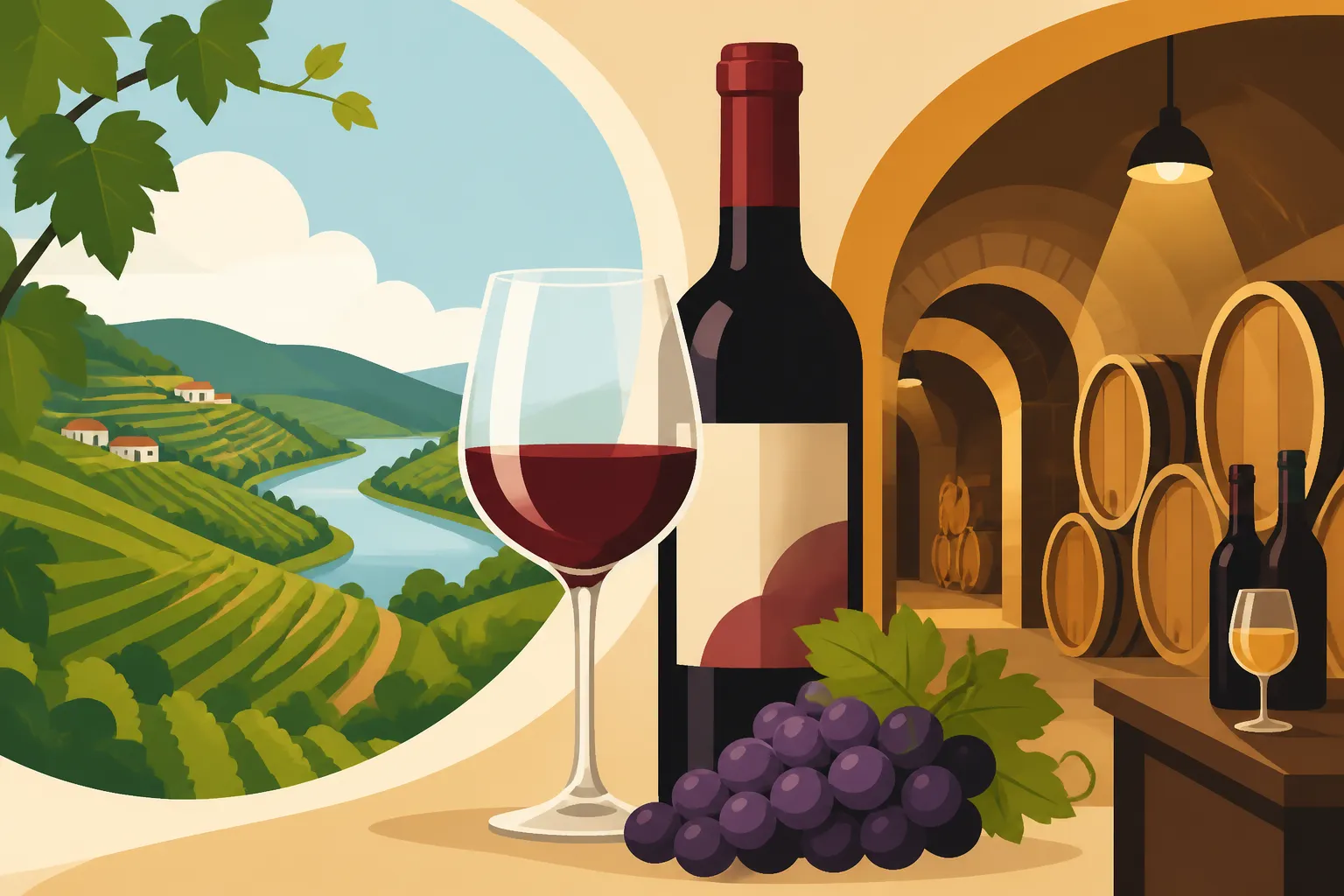
Wine Tasting in Portugal: Enotecas and Cellar Visits
Disclosure: This article contains affiliate links. If you buy through them, we may earn a commission at no extra cost to you. Read our full disclosure.
Most travelers arrive in Lisbon or Porto and feel immediately overwhelmed by the sheer volume of wine options, often settling for a basic supermarket bottle because the world of Quintas and Enotecas feels like an exclusive club. This guide solves that frustration by providing a roadmap to Portugal's complex wine regions, booking etiquette, and the secret spots where veterans actually go to taste.
Navigating the Primary Wine Regions of Portugal
Portugal is a country where wine is not just a beverage; it is a geographic and historical marker. As an expat, you quickly learn that asking for a "red wine" in a local tavern is an invitation for a lecture on terroir. To truly enjoy wine tasting here, you must first understand the distinct personalities of the major regions. Each area has its own set of administrative rules for visitors and cultural expectations that can catch the uninitiated off guard.
The Douro Valley: Port Wine and Terraced Vineyards
The Douro Valley is the crown jewel of Portuguese viticulture and a UNESCO World Heritage site. It is famous for its steep, hand-built stone terraces that line the river. For many, this is the first stop on a wine journey, but it requires careful planning. You can’t simply "show up" at the most prestigious Quintas (wine estates). Many of the top-tier producers require bookings weeks in advance, especially during the harvest season in September and October.
When you visit the Douro, you are stepping into the birthplace of Port wine. However, a common mistake is thinking that is all they produce. In recent years, the region has pivoted toward high-quality dry reds and whites that rival any in the world. If you are staying in Porto, you can easily find a base in the Ribeira district, but for a true cellar experience, you need to head upriver toward Pinhão or Peso da Régua. It is worth staying overnight at a vineyard to experience the "silent hours" after the tour buses leave. You can find excellent vineyard stays on Booking.com that offer private tours for their guests.
Alentejo: The Land of Robust Reds and Cork Forests
Moving south, the Alentejo region offers a completely different vibe. This is the "Texas" of Portugal—vast, rolling plains, scorching summer heat, and a more relaxed, rustic approach to life. The wines here reflect the climate: they are bold, fruit-forward, and often high in alcohol. For an expat looking at Where to Live in Portugal: Lisbon, Porto, Algarve, and Silver Coast Compared, the Alentejo offers a slower pace where wine tasting feels less like a corporate tour and more like a Sunday lunch with neighbors.
In Alentejo, look for "Vinho de Talha." This is a tradition dating back to Roman times where wine is fermented in massive clay pots. It is a funky, earthy experience that you won’t find in the more commercial regions. Because the distances between wineries in Alentejo are vast, you will absolutely need a car. Navigating the rural roads requires some patience, as you might find yourself stuck behind a tractor for several miles. Make sure you understand Public Transport and Driving in Portugal: Trains, Tolls, and Licenses before you rent a vehicle for a southern wine crawl.
Dão and Bairrada: Elegant Whites and Bubbly
If you prefer elegance and acidity over raw power, the Dão and Bairrada regions in central Portugal are your calling. The Dão is surrounded by mountains, protecting the vines from the Atlantic winds, resulting in wines with incredible aging potential. The Encruzado grape from this region is, in my opinion, one of the best white wine grapes in the world, yet it remains relatively unknown outside of Portugal.
Bairrada, located closer to the coast, is the land of sparkling wine (Espumante) and the temperamental Baga grape. Tasting here is often paired with the local delicacy, Leitão (suckling pig). The administrative side of visiting these regions is a bit more "old school." You might find yourself emailing a winery owner directly or calling a landline where only Portuguese is spoken. If you are still Learning European Portuguese: Top Apps, Tutors, and Free Government Classes, don't worry—most winery owners are so passionate about their craft that they will find a way to communicate with you through gestures and shared smiles.
The Enoteca Experience: Wine Bars vs Cellar Visits
Understanding where to drink is just as important as knowing what to drink. In Portugal, the distinction between an Enoteca (a wine shop/bar) and a Quinta (the actual estate) is significant. For those who don't have the time to drive into the countryside, the urban Enoteca scene is a lifesaver. It allows you to sample the entire country's output from the comfort of a velvet armchair in Lisbon or Porto.
What to Expect in a Lisbon or Porto Enoteca
In the major cities, Enotecas serve as curated galleries for wine. Unlike a standard bar, the staff here are usually trained sommeliers who can tell you the name of the winemaker’s dog. When you walk into a place like Chafariz do Vinho in Lisbon or Prova in Porto, you aren't just there for a drink; you are there for an education. Many of these establishments offer tasting flights, which are the best way for a newcomer to identify their preferred style.
The etiquette in these urban spots is quite specific. While you might be used to a quick drink at a pub, an Enoteca visit is meant to be lingered over. You will often be served small plates, or "petiscos," to accompany your glass. Do not be surprised if the bill includes a small cover charge for bread and olives; this is standard across the country. For a deeper dive into the nuances of dining out, check my guide on Portuguese Coffee Culture and Restaurant Etiquette: Ordering Like a Local.
Booking Private Cellar Tours: The Quinta Experience
If you decide to leave the city, the Quinta experience is the gold standard. A visit to a Quinta usually involves a tour of the vineyards, a walk through the cool, damp aging cellars, and a guided tasting. This is where you see the "Lagares"—the large granite tanks where grapes are still trodden by foot in some traditional houses. It is a visceral, sensory experience that connects the liquid in your glass to the soil under your boots.
The administrative hurdle here is the "Reserva." Most Quintas are working farms, not tourist attractions. If you show up at 2:00 PM without an appointment, you will likely find the gates locked. Use platforms like GetYourGuide to find organized tours that handle the logistics for you, especially if you want to visit multiple locations in one day without worrying about driving. Private tours often offer a more intimate look at the process and may even include a meeting with the winemaker.
Group vs Private Tastings: Making the Right Choice
When booking, you will often have the choice between a large group tasting and a private session. Group tastings are more affordable and can be a great way to meet other expats or travelers. However, they can sometimes feel a bit like a factory line, especially in the larger Port houses of Vila Nova de Gaia. If you are a serious enthusiast, the extra €20 or €30 for a private tasting is the best investment you can make.
Private tastings often unlock the "Reserva" or "Library" wines that aren't open for the general public. You get more one-on-one time to ask technical questions about soil composition or aging techniques. If you are living here and following a Cost of Living in Portugal 2026: Detailed Budgets for Singles and Families, you might want to save the private tours for special occasions and use the Enotecas for your weekly explorations.
Practical Tips for Planning Your Wine Route
Planning a wine tour in Portugal is more than just picking a spot on the map. The geography of the country means that regions are often separated by rugged terrain, and the infrastructure can vary wildly. Whether you are a weekend warrior or a dedicated collector, these logistics will make or break your trip.
Transport and Logistics: Getting to Rural Quintas
Driving is the most flexible option, but it comes with the "Zero Tolerance" reality of Portuguese drink-driving laws. Even one glass of wine can put you over the legal limit. This is why many veterans of the wine scene prefer the train. The Douro line is one of the most beautiful train journeys in the world, winding along the river from Porto to Pocinho. You can use Omio to compare train and bus schedules, which is often easier than navigating the official CP (Comboios de Portugal) website.
For the Alentejo or the Dão, you might consider hiring a private driver for the day. This is a common practice among the expat community. It ensures safety and allows everyone in your party to participate in the tasting. If you are on a budget, look for regional buses, though be warned: rural bus schedules in Portugal are often suggestions rather than rules, and they rarely run on weekends or holidays.
| Wine Region | Signature Grape | Best Time to Visit | Vibe |
|---|---|---|---|
| Douro Valley | Touriga Nacional | September (Harvest) | Dramatic, Historical |
| Alentejo | Aragonez / Trincadeira | May or October | Rustic, Spacious |
| Dão | Encruzado (White) | June | Elegant, Mountainous |
| Bairrada | Baga | April | Coastal, Sparkling |
| Vinho Verde | Alvarinho | July | Fresh, Green, Casual |
Best Times of Year for Harvest and Visits
Timing is everything. If you visit in August, you will face the dual challenge of extreme heat (especially in the Douro and Alentejo) and the "August Shutdown," where many locals take their own vacations. The absolute best time for wine lovers is late September. This is harvest season (Vindima). Many Quintas allow tourists to participate in the grape picking and treading, which is a messy, joyous experience involving music and communal meals.
Spring is also a fantastic time, particularly in the Vinho Verde region in the north. The landscape is lush and green, the temperatures are mild, and the wineries are less crowded. If you are a resident and need to keep an eye on your finances, visiting in the "shoulder season" (March-May) often results in lower tasting fees and better attention from the staff.
Booking Platforms and Reliable Tours
The digital landscape for Portuguese wine tourism has matured significantly. While you can still call a Quinta directly, most now utilize centralized booking systems. GetYourGuide is particularly useful for finding "package" deals that include river cruises in the Douro or cork factory tours in the Alentejo. These are great for when you have family visiting and want a "done-for-you" itinerary.
For those looking for something more bespoke, I recommend checking out local expat Facebook groups. There are often niche tour operators—many of them expats themselves—who specialize in "natural" or "biodynamic" wine tours that you won't find on the major booking sites. Always check if the tour includes "IVA" (tax) in the quoted price, as some luxury operators might add this at the end.
Portuguese Wine Etiquette and Cultural Nuances
To avoid looking like a typical tourist, you need to understand the social "rules" of the Portuguese tasting room. This isn't just about how you hold your glass; it's about how you interact with the people who poured it for you. Portugal is a formal society at heart, and a little respect for tradition goes a long way.
Understanding Tipping and Service in Tasting Rooms
One of the most frequent questions I get from newcomers is about Tipping culture in Portugal: Do you leave 10% or just round up the bill?. In a formal wine tasting setting, tipping is not strictly mandatory, but it is highly appreciated if the sommelier has spent an hour educating you. If the tasting is free (which is rare these days), leaving a few Euros per person is a nice gesture.
If you are at a high-end Enoteca in Lisbon, a 5-10% tip for exceptional service is becoming more common, but you will never be chased down the street for not leaving one. The Portuguese value "educação"—politeness and good manners—above a tip. Greeting the staff with a "Bom dia" or "Boa tarde" and thanking them for their time will get you much better service than just flashing cash.
Decoding the Label: DOC, Regional, and Reserva
Portuguese wine labels can be a cryptographic puzzle. As you browse the shelves of a local garrafeira, you'll see acronyms like DOC (Denominação de Origem Controlada). This means the wine is produced under strict regulations regarding grape varieties and yields. These are usually the "safest" bets for quality. "Vinho Regional" has slightly looser rules, often allowing winemakers to experiment with international grapes like Syrah or Cabernet Sauvignon.
The term "Reserva" in Portugal actually has legal meaning—the wine must have a certain alcohol content and have undergone specific aging. "Garrafeira" is an even higher designation, indicating a wine that the producer considers exceptional and has aged significantly in both barrel and bottle. Understanding these terms will help you justify the price tags when you see them. This knowledge is an essential part of any Living in Portugal Guide 2027: The Complete Relocation Manual for Expats.
The Food Factor: Petiscos and Wine Pairings
Never drink on an empty stomach in Portugal. The culture simply doesn't allow it. Even the simplest tasting will usually come with a plate of "tremoços" (lupini beans) or some local olives. If you are doing a full tasting, expect a board of "Queijo de Azeitão" (a creamy sheep's cheese) or "Presunto" (cured ham).
The Portuguese believe that wine and food are inseparable. In the north, you might be served "Bacalhau" (salted cod) with a crisp Vinho Verde. In the south, a heavy Alentejo red is paired with "Porco Preto" (black pork). If you are vegan or vegetarian, you need to state this clearly when booking your tasting, as the default "snack" is almost always meat or cheese-based.
Essential Gear and Preparations for an Expat Oenophile
Once you fall in love with Portuguese wine, you'll want to take it home—either to your apartment in Cascais or back to your home country. This is where the administrative hurdles can get a bit sticky. Shipping liquid gold across borders requires more than just bubble wrap.
Shipping Wine Abroad: Customs and Costs
If you are a resident and want to send a case of your favorite Douro red to friends in the US or UK, be prepared for a headache. Customs regulations for alcohol are strict. Most Quintas can arrange international shipping for you, but the cost often exceeds the price of the wine itself. Within the EU, it is much easier, but you still need to use a courier that is licensed to carry liquids.
For those traveling back home, your best bet is a specialized wine suitcase or "wine wings" (reusable padded sleeves). Most airlines flying out of Lisbon or Porto are used to passengers checking boxes of wine, but always check your country's duty-free limits. If you're staying in the country long-term, you'll find that many of the best deals are found by joining a Quinta’s "Wine Club," which offers seasonal shipments to your Portuguese address.
Building a Local Wine Cellar at Home
Living in Portugal means you have access to incredible wine at prices that seem like a mistake. A €10 bottle here would easily cost $40 in New York. If you are renting an older house, you might even have a natural stone cellar (cave) in the basement. This is the dream for many expats. However, be wary of the summer heat; if your apartment doesn't have thick stone walls or climate control, your wine will "cook" within a single July afternoon.
Invest in a small wine fridge if you plan on collecting. You can find these at local electronics stores like Worten or Fnac. Building a relationship with a local "Garrafeira" (wine shop) is also key. They will notify you when a specific vintage from a small producer arrives. It's these local connections that turn a simple hobby into a deep appreciation for the land you now call home.
Disclaimer
The information provided in this guide is for informational purposes only. Wine laws, tasting fees, and regional regulations in Portugal can change. Always verify current requirements with the specific winery or local authorities before making travel arrangements. Please drink responsibly and adhere to Portuguese traffic laws regarding alcohol consumption.