The Douro Valley: Wine Country and River Cruises
Disclosure: This article contains affiliate links. If you buy through them, we may earn a commission at no extra cost to you. Read our full disclosure.
Many visitors to Portugal get stuck in the beautiful bubble of Porto and unfortunately miss the rugged, terraced soul of the north because the logistics of reaching the Douro Valley seem overwhelming. Whether you are struggling to choose between a crowded train and a treacherous rental car or wondering which vineyard actually welcomes guests, this guide provides the clarity needed to experience the world’s oldest demarcated wine region authentically.
Planning Your Journey to the Douro Valley
The Douro Valley is not just a destination; it is a living, breathing landscape that changes dramatically with the seasons. Planning your trip requires more than just picking a date on a calendar; it requires an understanding of the regional microclimates and the cyclical nature of viticulture. If you arrive in the dead of winter, you will find a skeleton of a landscape—eerie and beautiful, but quiet. If you arrive in the peak of summer, you must be prepared for temperatures that frequently soar above 40 degrees Celsius, trapped within the valley’s steep walls.
Choosing the Right Time of Year
For most expats and savvy travelers, the "sweet spot" for visiting the Douro is during the harvest season, known as the vindima, which usually falls between late August and late September. This is when the valley is most alive. You can hear the sounds of workers in the fields and smell the fermenting must in the air. However, this is also the most expensive and crowded time. If you prefer tranquility, May and June offer lush greenery and manageable temperatures before the searing heat of July arrives.
The winter months, from November to February, are often overlooked. While many quintas (wine estates) reduce their visiting hours, the mist rising off the river creates a cinematic atmosphere. It is also the best time to find deals on luxury stays through platforms like Booking.com, as the region sees a significant dip in tourism. Just be aware that many local restaurants might close for a few weeks in January, so always check Portuguese public holidays 2026: When supermarkets and banks are closed to ensure you aren't met with locked doors.
Getting There: Train, Car, or Boat
Deciding how to reach the valley depends entirely on your tolerance for winding roads and your desire for views. The train, specifically the Linha do Douro, is legendary. Starting at Porto’s São Bento station, the track eventually hugs the riverbank so closely you feel as if you’re floating on the water. It is an affordable, scenic option, and you can easily check schedules and book tickets via Omio to avoid the morning rush at the station. However, the train limits you to the towns of Peso da Régua and Pinhão.
If you want to explore the "Hidden Douro" or the higher altitudes of the Douro Superior, you will need a car. Be warned: the roads here are not for the faint of heart. They are narrow, steep, and consist of endless hairpin turns. If you are new to the country, it is worth reading up on Public Transport and Driving in Portugal: Trains, Tolls, and Licenses before getting behind the wheel. For those who want the ultimate leisure experience, taking a boat from Porto is a full-day commitment. While relaxing, keep in mind that the boat journey involves passing through several massive locks, which can be a slow process.
The Best Regions and Villages to Stay
The Douro Valley is divided into three sub-regions: the Baixo Corgo, the Cima Corgo, and the Douro Superior. Each has its own personality, climate, and quality of wine. For a first-timer, the choice usually boils down to staying in the bustling hub of Peso da Régua or the more picturesque, wine-centric village of Pinhão. We often suggest Pinhão for the scenery, but Régua for the convenience and the museum.
Peso da Régua vs. Pinhão
Peso da Régua is the administrative heart of the valley. It is where the big bridges cross and where many of the larger river cruises dock. It feels more like a working town than a tourist postcard. The benefit of staying here is the access to supermarkets, pharmacies, and a wider variety of dining. It’s also where you’ll find the Museu do Douro, which provides an essential deep dive into the region's history. If you are watching your budget, consult Cost of Living in Portugal 2026: Detailed Budgets for Singles and Families to see how regional prices compare to Lisbon or Porto.
Pinhão, located further upriver, is where the "real" Douro begins for many. The train station is famous for its blue and white azulejo tiles depicting the wine harvest. Pinhão is surrounded by some of the most prestigious quintas in the world. It is quieter, more expensive, and significantly more beautiful. However, because it is smaller, accommodation fills up fast. I recommend searching on Booking.com at least three to four months in advance, especially if you want a room with a river view.
Luxury Quintas vs. Guesthouses
One of the greatest joys of the Douro is staying on an actual wine estate. Many quintas have converted their old manor houses or workers' quarters into high-end boutique hotels. These stays offer an immersive experience where you can walk through the vineyards at sunrise and enjoy private tastings in the evening. Quinta da Roêda and Quinta do Bomfim are iconic names in this category.
For those who prefer a more local, grounded experience, the region is dotted with turismo rural (rural guesthouses). These are often family-run spots where the service is deeply personal. You might find yourself sharing a breakfast table with the owner, who will tell you stories about the 2011 vintage while serving you homemade fig jam. When staying in these more remote areas, remember that Expat life hacks: Never rush a coffee, and other daily cultural adjustments apply here more than anywhere; things move slowly, and that is part of the charm.
Exploring Wine Country: Tastings and Quintas
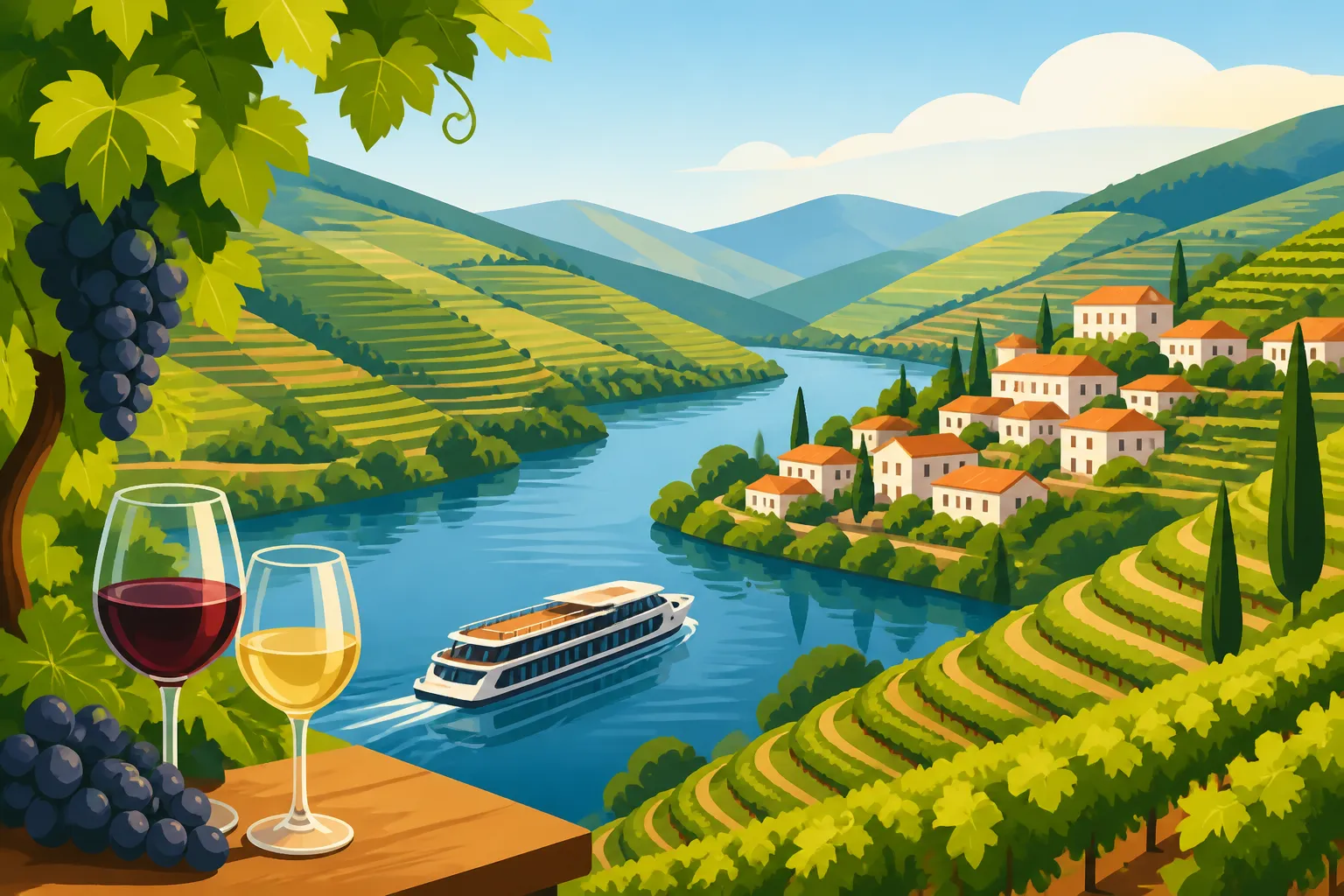
You cannot visit the Douro without engaging with its liquid gold: Port wine and the increasingly famous Douro DOC table wines. The history of this region is etched into the schist rock of the hillsides. For centuries, these terraces were built by hand, a feat of human endurance that earned the region its UNESCO World Heritage status.
Navigating Wine Tours for Non-Experts
If you aren't a sommelier, the world of Port can be intimidating. There is White Port, Ruby, Tawny, Late Bottled Vintage (LBV), and the king of them all, Vintage Port. Most quintas offer guided tours that explain these differences. If you want to avoid the "tourist traps" and find a session that actually teaches you something, I recommend booking a curated experience via GetYourGuide. Look for tours that include a visit to the lagares—the large stone tanks where grapes are still trodden by foot in some traditional estates.
A typical tasting will usually involve three to five wines. Start with a chilled White Port as an aperitif (often served with tonic and mint as a "Porto Tonico"), then move through the reds. Pay attention to the "Table Wines" as well. In recent years, the Douro has produced some of the finest dry red wines in Europe, using the same grapes that go into Port (like Touriga Nacional and Touriga Franca). If you’re worried about the alcohol content and staying hydrated, rest assured that Is it safe to drink tap water in Portugal? Water quality by region is a helpful resource, though in the Douro, most people stick to bottled water for the taste.
Hidden Gems and Sustainable Vineyards
While the big names like Sandeman or Graham’s are impressive, the true magic of the Douro often lies in the smaller, independent producers. These "hidden" quintas are often located a bit higher up the hills or further east in the Douro Superior. These producers are frequently at the forefront of organic and biodynamic farming, fighting the increasingly difficult climate conditions with innovative techniques.
Visiting these smaller spots often requires a direct email or a phone call, as they don't always have a dedicated tourism department. This is where your basic language skills come in handy. Even a simple "Bom dia" can go a long way. If you are planning a longer stay or moving to the region, understanding Daily Life in Portugal: Supermarkets, Language, and Cultural Etiquette will help you navigate these interactions with grace.
River Cruises and Boat Tours
The river is the lifeblood of the valley. Before the railways and roads, the Douro River was the only way to transport wine from the quintas down to the cellars in Vila Nova de Gaia. The boats used for this—the Rabelos—are now the iconic symbol of the region.
Day Cruises from Porto
Many tourists opt for the "One Day in the Douro" cruise that leaves from Porto. These are large, commercial vessels that include breakfast, lunch, and a return journey by train or bus. While efficient, these boats can feel a bit crowded and impersonal. They are great if you are short on time and want to see the massive dams and locks like the Carrapatelo, which has a 35-meter drop. However, if you want to feel the serenity of the valley, this might not be the best route.
For a more tailored experience, you can find smaller cruise operators on GetYourGuide that depart from Régua or Pinhão. These smaller boats can navigate closer to the banks and offer a much more intimate view of the vineyards. Some even offer "hop-on, hop-off" styles or sunset cruises that are perfect for couples.
Private Rabelo Boat Rentals
For those traveling in a group or looking for a special occasion, renting a private Rabelo boat in Pinhão is the ultimate Douro experience. These are traditional wooden boats, often restored with modern comforts. Having a private captain means you can stop where you want, perhaps near a secluded river beach, or simply cruise in silence without the drone of a tour guide’s microphone.
Prices for private rentals vary wildly, so it’s worth comparing options. This is a premium experience, but when split between six or eight people, it can be surprisingly affordable. Just remember that the river is a working waterway; you'll be sharing it with massive cruise ships and rowing teams, so always follow your captain's safety instructions.
Practical Tips for the Expat and Tourist
Living in or visiting the Douro requires a shift in mindset. You are in the "interior" of Portugal, where traditions are held dearly and the pace of life is dictated by the sun and the soil.
Managing Logistics and Bookings
The Douro Valley is not a place where you can easily "wing it," especially during the high season. Restaurants are small and the good ones fill up days in advance. If you have a specific quinta in mind for a tasting, book it. If you need a taxi in Pinhão, book it. There are very few Ubers or Bolts once you leave the Porto metropolitan area.
If you are coming from abroad and need to manage your documents or international requirements for a longer stay, you might find yourself looking at Using Cigna Global or Allianz for international expat healthcare in Portugal to ensure you're covered while exploring these remote areas. For shorter trips, simply ensure your transport is sorted. Use Omio to keep all your train or bus tickets in one app, which is a lifesaver when you’re trying to catch the last train back to Porto after a long day of wine.
Dining and Local Gastronomy
The food in the Douro is hearty, rustic, and designed to fuel vineyard workers. Expect lots of meat, specifically cabrito assado (roasted kid goat) and posta arouquesa (a thick steak of local beef). The region is also famous for its smoked meats and bola de Lamego, a savory bread stuffed with ham or sardines.
When dining out, don't expect the fast service of a city bistro. Meals are an event. You should also be aware of the local etiquette. For instance, Portuguese Coffee Culture and Restaurant Etiquette: Ordering Like a Local will help you navigate the post-meal coffee ritual, which is mandatory. And when the bill arrives, knowing the local stance on Tipping culture in Portugal: Do you leave 10% or just round up the bill will save you from any awkward social moments.
Comparative Guide to Douro Travel Options
| Method | Pros | Cons | Best For |
|---|---|---|---|
| Train (CP) | Incredible river views, cheap, no driving stress. | Fixed schedule, limited to main towns. | Solo travelers and day-trippers. |
| Rental Car | Total freedom, access to hidden quintas and viewpoints. | Stressful mountain roads, no wine tasting for the driver. | Families and groups staying overnight. |
| River Cruise | Relaxing, see the dams/locks, includes meals. | Slow, can be very "touristy," limited land time. | Those who prioritize relaxation over wine. |
| Private Boat | Intimate, customizable, great for photos. | Expensive for small groups, limited range. | Couples and luxury travelers. |
Disclaimer
This guide is provided for informational purposes only. Travel conditions, wine tasting availability, and transport schedules in the Douro Valley can change based on local regulations and seasonal shifts. Always verify specific bookings and health requirements directly with providers. The author is an expat resident and provides advice based on personal experience and current regional data.