Port, Wine, and Portuguese Drinking Culture
Disclosure: This article contains affiliate links. If you buy through them, we may earn a commission at no extra cost to you. Read our full disclosure.
One of the things that can truly throw you for a loop when you first arrive in Portugal, amidst all the exciting newness, is understanding the local drinking culture. It’s not just about what to drink, but how, when, and with whom. This comprehensive guide will walk you through the delightful, sometimes bewildering, world of Portuguese beverages, from the iconic Port wine to the everyday bica, helping you sip and savor like a seasoned local.
Beyond the Basics: Portugal's Rich Drinking Tapestry
Before diving into specifics, it’s important to understand that Portugal's drinking culture is deeply woven into its history, geography, and social customs. It’s less about getting tipsy and more about conviviality, celebration, and sharing meals. For many expats, this can be a subtle but significant shift from what they might be used to, where drinking might be seen purely as a recreational activity separate from daily life. Here, it’s intrinsically linked to daily rituals, be it a morning coffee or an evening digestif.
More Than Just Port: Exploring Portugal's Diverse Regions
While Port wine undeniably holds a special place in the global imagination when it comes to Portuguese drinks, it's just one star in a vast constellation. Portugal is an ancient wine-producing nation with distinct microclimates and indigenous grape varieties that yield an astonishing array of wines. From the verdant hills of Minho in the north, home to the effervescent Vinho Verde, to the sun-drenched plains of Alentejo, known for its robust reds, each region offers a unique liquid story. Expect to discover wines you’ve never heard of, often made from grapes you can’t pronounce, but each brimming with character. This regionality means that your drinking journey in Portugal will be a constant adventure, with new flavors awaiting you whether you’re exploring the urban vibrancy of Lisbon or the tranquil villages of the interior.
The Social Fabric of Portuguese Drinking
Drinking in Portugal is, above all, a social affair. It’s about lingering over a meal, enjoying a pre-dinner aperitivo with friends, or catching up over a glass of wine at a local tasca. You’ll rarely see someone drinking alone in a bar, or focusing solely on consuming alcohol without food or conversation. Even a simple coffee break is often a moment for connection. This communal aspect means that you're not just ordering a drink; you're participating in a ritual that reinforces bonds and fosters a sense of community. It's an invitation to slow down, engage, and appreciate the company around you. You might find yourself easily drawn into lively discussions, even with limited Portuguese, simply by sharing a table and a bottle of local wine.
Navigating the Language of Drinks
One of the initial hurdles for many expats is simply knowing what to order. The menus can be daunting, filled with terms that don't always translate directly, especially when it comes to regional specialties. For instance, asking for "wine" might get you a simple red or white, but there's a world of vinho tinto (red wine), vinho branco (white wine), vinho rosé (rosé wine), and the unique vinho verde (green wine) to discover. Then there are terms like imperial (a small draft beer, typically 200ml) or fino (a larger draft beer, typically 300ml-400ml, common in the north), which differ from the standard "pint" or "half-pint" terminology. Don't be afraid to ask your server for recommendations, even if you just point at the menu with a questioning look. They are usually more than happy to guide you through the options, often suggesting something local and delicious. A few key phrases like "Um copo de [drink name], por favor" (A glass of [drink name], please) or "Qual vinho tinto recomenda?" (Which red wine do you recommend?) will go a long way.
Uncorking the Secrets of Port Wine
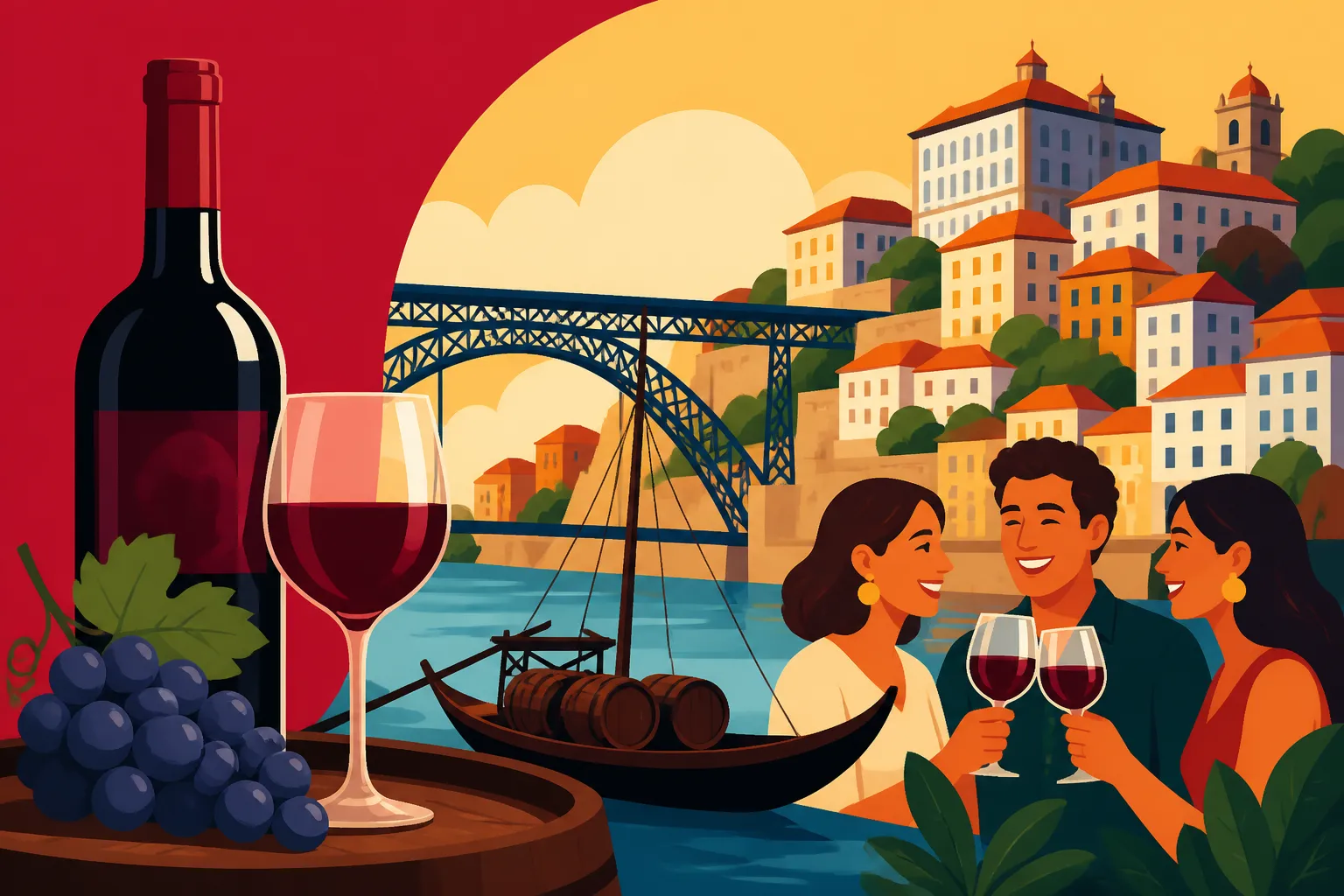
Ah, Port. It’s usually the first Portuguese drink that springs to mind, and for good reason. This fortified wine from the Douro Valley is steeped in history and tradition, a true national treasure that has captivated palates worldwide. For expats, understanding Port is more than just tasting it; it’s about appreciating its journey from vine to bottle and the unique culture that surrounds it.
The Douro Valley: Birthplace of a Legend
The story of Port wine begins in the dramatic, terraced landscapes of the Douro Valley. This UNESCO World Heritage site is one of the oldest demarcated wine regions in the world, its steep hills carved by human hands over centuries to cultivate the hardy grapevines. The climate here is harsh – scorching summers and freezing winters – which forces the vines to dig deep, producing grapes of intense flavor. Visiting the Douro is an experience in itself, a breathtaking journey through stunning scenery, charming villages, and historic quintas (wine estates). Many expats make a trip to the Douro a priority, and I highly recommend it. You can take scenic train rides along the river, or book a guided tour that includes stops at several wineries for tastings. Planning a trip here often involves exploring transport options, and you can find comprehensive information on Public Transport and Driving in Portugal: Trains, Tolls, and Licenses. When considering where to stay, Booking.com offers a wide array of quintas and hotels in the region, making it easy to immerse yourself in the experience.
Types of Port: From Ruby to Vintage
The world of Port wine can seem complex at first glance, but it’s incredibly rewarding once you understand the basic categories. Each style offers a distinct experience, shaped by the aging process and the grapes used.
- Ruby Port: This is the youngest and most fruit-forward style, aged for a relatively short period in large oak barrels or stainless steel tanks to preserve its vibrant red color and fresh berry flavors. It's often the most affordable and widely available.
- Tawny Port: Unlike Ruby, Tawny Port is aged longer in smaller oak barrels, allowing it to oxidize slowly. This process gives it a lighter, tawny color and develops nutty, caramel, and dried fruit flavors. Tawny Ports often come with an age indication (10, 20, 30, or 40 years old), reflecting the average age of the blend.
- White Port: Made from white grapes, this style can range from dry to very sweet. The drier versions are fantastic as an aperitif, especially when served chilled with tonic water and a slice of lemon – a popular summer drink known as "Portónico."
- Vintage Port: The pinnacle of Port wine, Vintage Port is produced from grapes of a single, exceptional harvest and aged for only two to three years in barrel before being bottled. It continues to mature in the bottle for decades, developing incredible complexity and requiring decanting due to sediment. These are collector's items and are usually quite an investment, saved for very special occasions.
- Late Bottled Vintage (LBV): A more accessible alternative to Vintage Port, LBV comes from a single harvest but ages longer in barrel (4-6 years) before bottling. It’s ready to drink upon release and offers much of the character of a Vintage Port without the long wait or the need for decanting.
Here’s a quick overview of the main types of Port:
| Port Type | Aging Process | Flavor Profile | Best Served As |
|---|---|---|---|
| Ruby | Short aging in large vats/stainless steel | Fresh red berries, plum, often sweet | Dessert wine, with cheese |
| Tawny | Longer aging in small oak barrels (oxidative) | Nuts, caramel, dried fruits, spice, smoother texture | Dessert wine, with nutty desserts |
| White | Aged briefly, sometimes in oak | Citrus, apricot, honey (dry to sweet) | Aperitif (chilled or with tonic), dessert |
| Late Bottled Vintage | 4-6 years in barrel, single harvest | Dark fruit, chocolate, balanced tannins | After dinner, with chocolate |
| Vintage | 2-3 years in barrel, ages decades in bottle | Intense dark fruit, complex, structured (decant) | Special occasions, with strong cheeses |
Enjoying Port Like a Local
There are a few unwritten rules and delightful customs around enjoying Port. Firstly, it’s traditionally a digestivo, meaning it’s served after dinner, often with cheese or dessert. You won't usually see locals knocking back large glasses of Port before a meal. Secondly, while Vintage Ports truly shine with decades of age, many Ruby and Tawny Ports are meant to be enjoyed relatively soon after opening. A Tawny 10 or 20-year-old can be a wonderful accompaniment to a strong cheese board or a rich chocolate cake. If you're hosting, don't feel intimidated; a simple glass and good conversation are all that's truly needed. If you're exploring the cellars in Porto, specifically in Vila Nova de Gaia, you can book tasting tours through platforms like GetYourGuide, which often include a historical overview and a chance to sample different styles. Many of these cellars, like Graham's, Taylor's, or Sandeman, offer fantastic educational experiences.
Portugal's Other Wine Wonders: A Connoisseur's Guide
While Port is a powerhouse, neglecting the rest of Portugal’s wine production would be a huge disservice. The country boasts an incredible variety of table wines (non-fortified) that are increasingly gaining international recognition. As an expat, this is where you truly get to explore and discover new favorites that might become staples in your home.
Vinho Verde: The "Green Wine" Experience
Don't let the name fool you – "green wine" doesn't refer to its color, but rather to its youth. Vinho Verde, predominantly from the Minho region in the northwest, is a light, crisp, and often slightly effervescent wine, typically white, though red and rosé versions exist. It's meant to be drunk young, vibrant, and bursting with fresh acidity. Imagine a sunny afternoon, a plate of fresh seafood, and a chilled glass of Vinho Verde – pure bliss! The subtle fizz is naturally occurring in some, while others have a touch of CO2 added for that refreshing zing. Grape varieties like Alvarinho, Loureiro, and Arinto are key players, each contributing unique aromatic profiles. It's incredibly refreshing and a perfect accompaniment to many light Portuguese dishes.
Dão and Bairrada: Hidden Gems of Red Wine
Move south from Minho, and you'll find regions like Dão and Bairrada, which are revered for their more structured and complex red wines.
- Dão: Nestled in a mountainous region, Dão wines are known for their elegance, balance, and aging potential. Touriga Nacional, the noble grape of Portugal, thrives here, producing wines with floral notes, dark fruit, and fine tannins. Other indigenous grapes like Alfrocheiro and Jaen (Mencía in Spain) also play significant roles. These wines often demand a bit more patience, developing beautifully with a few years in the bottle, offering earthy undertones and a refined character that pairs wonderfully with roasted meats or hearty stews.
- Bairrada: This coastal region is the home of the Baga grape, which produces intensely colored, tannic, and aromatic red wines that also benefit from aging. Traditional Bairrada reds can be quite rustic in their youth, but they evolve into sophisticated wines with notes of cedar, blackcurrant, and savory spice. Modern winemaking has also brought forth more approachable Baga wines, as well as excellent white and sparkling wines from the Arinto and Maria Gomes (Fernão Pires) grapes. If you’re a fan of rich, full-bodied reds, these regions are definitely worth exploring.
Alentejo and Tejo: Sunshine in a Bottle
The vast, undulating plains of Alentejo produce a significant portion of Portugal's table wine, and these wines are characterized by their warmth and fruit-forward nature, reflecting the region’s abundant sunshine. Red blends, often featuring Aragonez (Tempranillo), Trincadeira, and Alicante Bouschet, are typically full-bodied, smooth, and approachable, with flavors of ripe berries and a hint of spice. The whites, made from Antão Vaz and Arinto, are aromatic and often have a pleasant minerality.
Just north of Lisbon, the Tejo region (formerly Ribatejo) is another prolific wine-producing area. Its wines are often excellent value, offering good quality for everyday drinking. Expect fruity, easy-drinking reds and crisp whites that are perfect for enjoying with lighter meals or simply on their own. These wines are readily available in supermarkets and local restaurants, making them a great option for stocking your expat pantry. Considering the generally affordable cost of living in Portugal, especially for items like local wine, you can indulge without breaking the bank. More details on budgeting can be found in Cost of Living in Portugal 2026: Detailed Budgets for Singles and Families.
Madeira and Moscatel: Sweet Endings
Beyond Port, Portugal offers other distinctive sweet and fortified wines that are worth savoring.
- Madeira Wine: Hailing from the volcanic island of Madeira, this unique fortified wine is known for its remarkable longevity and distinct flavor profile, which comes from a heating process called estufagem or canteiro. It’s a truly complex wine, ranging from dry Sercial, often served as an aperitif, to the medium-dry Verdelho, the medium-rich Bual, and the lusciously sweet Malmsey. Madeira wines boast incredible notes of caramel, nuts, dried fruit, and sometimes a smoky character. It’s a wine that invites contemplation and pairs wonderfully with rich desserts or strong cheeses.
- Moscatel de Setúbal: Produced on the Setúbal Peninsula, just south of Lisbon, this aromatic fortified wine is made from the Moscatel grape. It’s intensely floral and fruity, with notes of orange blossom, honey, and apricot. Moscatel de Setúbal is typically enjoyed as a dessert wine, often served chilled, and is a delightful way to finish a meal, especially after a visit to the beautiful Arrábida Natural Park.
The Everyday Sip: Beer, Spirits, and Non-Alcoholic Options
While wine often takes center stage, Portuguese drinking culture is far from limited to it. There's a vibrant scene for beer lovers, a selection of traditional spirits, and a whole world of non-alcoholic beverages that are integral to daily life.
Portuguese Beer: Sagres vs Super Bock
The great Portuguese beer debate! Just like Coke vs. Pepsi, or rather, like regional football rivalries, Sagres and Super Bock are the two dominant beer brands in Portugal, and everyone has their favorite. Both are light, crisp lagers, perfectly suited for the warm climate and enjoying with a meal or a snack.
- Sagres: Brewed in Lisbon, Sagres is often perceived as slightly lighter and sweeter. You'll see its logo everywhere, particularly in the southern regions and at Benfica football matches.
- Super Bock: Originating from Porto, Super Bock tends to be a bit fuller-bodied and perhaps a touch more bitter. It’s strongly associated with the north and FC Porto.
Regardless of your allegiance, both are excellent, refreshing choices. When ordering, remember the terms: imperial (a smaller glass, around 200ml) or fino (a larger glass, around 300-400ml, especially in the north), and sometimes caneca for a pint-sized mug. Craft beer is also gaining popularity, especially in Lisbon and Porto, with numerous microbreweries and specialty bars offering more diverse styles. If you're exploring the neighborhoods of Lisbon, check out some of the newer craft beer spots, often listed in guides like Lisbon Neighborhood Guide: Best Areas for Expats and Digital Nomads.
Traditional Spirits: Aguardente and Ginjinha
Portugal also has its own selection of potent spirits, often enjoyed as a digestivo or as a traditional treat.
- Aguardente: This literally translates to "burning water" and it lives up to its name. Aguardente is a strong brandy, typically made from distilled wine or pomace (grape skins, seeds, and stems left over from winemaking). There's Aguardente Vínica (wine brandy) and Aguardente Bagaceira (grape pomace brandy). It's robust, warming, and definitely an acquired taste, often served in small shot glasses after a heavy meal. Don't underestimate its strength!
- Ginjinha (or Ginja): This is a much sweeter and more approachable liqueur, originating from Óbidos and Alcobaça, but popular throughout the country. It's made from sour cherries (ginjas) steeped in aguardente with sugar and spices. Ginjinha is traditionally served in a small chocolate cup, which you eat after sipping the liqueur. It’s a delightful, sweet treat, especially enjoyable on a cooler evening. You'll find small Ginjinha shops (often just a counter) scattered around tourist areas, particularly in Lisbon and Óbidos. It’s a great example of a uniquely Portuguese experience that you won't find replicated elsewhere.
Coffee and Refreshments: The Daily Ritual
Beyond alcohol, coffee culture in Portugal is paramount, a daily ritual that's almost sacred. For many expats, this is one of the easiest and most enjoyable cultural aspects to embrace. A bica (espresso) is the standard, drunk quickly at the counter, often several times a day.
Other popular coffee variations include:
- Meia de leite: Half coffee, half milk, usually served in a larger cup.
- Galão: Coffee with more milk, served in a tall glass.
- Abatanado: A longer espresso, similar to an Americano, but often still quite strong.
- Carioca: A very weak coffee, made from a second pass through the coffee grounds.
- Descafeinado: Decaf.
For a deeper dive into this essential part of Portuguese life, you might want to read Portuguese Coffee Culture and Restaurant Etiquette: Ordering Like a Local.
Aside from coffee, Portugal offers refreshing non-alcoholic drinks like Sumol (a range of fruit sodas, especially orange and pineapple), Compal (natural fruit juices), and a variety of bottled waters, both still (sem gás) and sparkling (com gás). And, of course, a good old bottle of água fresca (fresh water) is always a staple, especially in the summer.
Dining and Drinking Etiquette: Blending In with the Locals
Understanding the unspoken rules of drinking and dining is key to truly feeling at home in Portugal. It’s about respect, conviviality, and following the local rhythm.
Toasts, Cheers, and Social Cues
Toasting is a common practice, particularly in social gatherings or celebratory meals. The most common toast is "Saúde!" (pronounced sah-OOH-deh), meaning "Health!". Always make eye contact when clinking glasses, and avoid crossing arms with others during a toast, as it's considered bad luck in some European cultures. It’s also generally polite to wait for everyone at the table to have their drink before you take your first sip. Don't feel pressured to keep up with others; Portuguese meals are often long, leisurely affairs, and drinks are savored. You'll find that conversations flow easily, and alcohol is part of the background, not the sole focus.
Pairing Food and Drink the Portuguese Way
Food and drink are inseparable in Portugal. Wine is almost always present at the table, whether it’s a simple house wine (vinho da casa) or a carefully selected bottle.
- Seafood: Crisp Vinho Verde or a dry white from the Lisbon or Setúbal region are perfect companions to Portugal’s abundant seafood.
- Red Meats: Rich, robust reds from Alentejo, Dão, or Douro pair beautifully with roasted lamb, pork, or game.
- Cheese: Port wine, especially a Tawny or LBV, is the classic choice for a Portuguese cheese board, which often features strong sheep or goat cheeses.
- Desserts: Sweeter Ports, Moscatel de Setúbal, or even a glass of chilled White Port complement traditional Portuguese pastries and desserts.
Don't be surprised if your waiter brings out small appetizers (petiscos or entradas) without you asking. These are not free and will be added to your bill if you eat them. If you don't want them, simply say "Não, obrigado/a" (No, thank you) and they'll be whisked away. It's a common practice that sometimes catches new arrivals off guard.
The Art of the 'Café' Experience
The café, or pastelaria, is a cornerstone of Portuguese social life, and not just for coffee. It's a place for a quick breakfast, a mid-morning snack, a leisurely lunch, or an afternoon treat. While coffee is king, you'll also see people enjoying a small beer, a glass of wine, or a spirit at any time of day. It’s an informal, welcoming environment where business is conducted, friendships are forged, and the day's news is debated. Embracing the café culture means standing at the counter for your bica and tosta mista (ham and cheese toastie), chatting with the barista, and observing the daily ebb and flow of Portuguese life. It's where you'll truly get a feel for the local pace. If you're new to the local nuances, learning some Portuguese greetings will help you integrate more smoothly, as detailed in Portuguese Greeting Etiquette: When to use Beijinhos vs Handshakes.
Exploring Portugal's Drinking Regions: Tours and Experiences
Portugal is a treasure trove for anyone interested in wine, and experiencing the regions firsthand is highly recommended. These trips offer not just incredible tastings but also stunning landscapes and cultural immersion.
Planning Your Wine Region Trip
Portugal is compact enough that many wine regions are accessible for day trips or weekend getaways. The Douro Valley, for example, is easily reached from Porto by train, car, or guided bus tour. Alentejo is a pleasant drive from Lisbon. Planning your journey, especially for multi-day trips, is essential. Consider checking Omio for train and bus schedules if you prefer public transport, or renting a car if you want more flexibility to explore off-the-beaten-path quintas.
When to go matters too. Harvest season (late August to early October) is an exciting time to visit, as vineyards are bustling with activity, but it can also be more crowded. Spring and early summer offer beautiful weather and lush landscapes, perfect for outdoor tastings. Keep in mind that during "The August Shutdown: Why getting things done in summer is impossible," many smaller businesses might be on holiday, so it's always wise to check opening hours.
Guided Tours and Tastings
For many expats, especially those who aren't fluent in Portuguese, a guided tour can be an invaluable way to explore the wine regions. Companies like GetYourGuide offer a wide selection of tours, from half-day trips focusing on specific types of wine (like Port in Porto) to multi-day excursions that combine wine tasting with cultural visits and scenic drives. These tours often include transport, English-speaking guides, and pre-booked tastings, taking the hassle out of logistics. You’ll learn about the history, grape varieties, and winemaking processes directly from experts, often at family-run estates that might be harder to discover on your own. Many tours also include lunch, giving you a chance to sample regional cuisine expertly paired with local wines.
Accommodation and Logistics
If you're planning an overnight stay in a wine region, consider staying at a quinta that offers guest accommodation. These often provide a more authentic and immersive experience, allowing you to wake up among the vineyards. Booking.com is an excellent resource for finding charming guesthouses, boutique hotels, or even entire villas for rent in popular wine regions like the Douro or Alentejo. Remember to book well in advance, especially during peak season, as the best places fill up quickly. For larger groups or families, renting a house can be a fantastic option, offering flexibility and a sense of home. Always ensure your chosen accommodation is easily accessible from the wineries you plan to visit.
Responsible Drinking and Safety for Expats
While Portuguese drinking culture is largely relaxed and sociable, it's crucial for expats to understand the local laws and maintain responsible habits. Moving to a new country can involve some initial stress, so it's important to be mindful of your consumption.
Understanding Alcohol Laws and Limits
The legal drinking age in Portugal is 18. This applies to purchasing and consuming alcohol in public places. When driving, the legal blood alcohol content (BAC) limit is 0.05%. For new drivers (less than three years of experience) and professional drivers, it's even lower, at 0.02%. These limits are stricter than in some other countries, and Portuguese police enforce them, particularly with roadside checks, especially during holidays and weekends. Penalties for driving under the influence can be severe, including heavy fines, license suspension, and even imprisonment. If you plan to enjoy wine or spirits, it’s always best to designate a driver, use ride-hailing apps like Uber or Bolt, or rely on public transport. Taxis are also readily available in urban centers.
Dealing with Over-Indulgence
It’s easy to get carried away when enjoying delicious Portuguese wines and good company. However, over-indulgence can quickly spoil your experience. Most Portuguese people drink moderately, savoring their drinks with food and conversation. If you find yourself feeling unwell, remember to hydrate with plenty of water. Most bars and restaurants will happily provide tap water (água da torneira) if you ask, though bottled water is more commonly offered. If a medical emergency arises due to excessive drinking, Portugal has an excellent public health system. Information on Emergency Medical Care in Portugal: Calling 112 and Going to the Hospital can be crucial in such situations. While Portugal is generally a very safe country, being overly intoxicated can make you a target for opportunistic petty crime, especially in crowded tourist areas.
Staying Hydrated and Safe
Portugal's warm climate, particularly during the long summers, means that staying hydrated is paramount. Alternating alcoholic beverages with water is not only responsible but also helps you appreciate the flavors of what you’re drinking more fully. Always keep an eye on your drink, especially in crowded bars. While spiking drinks is rare, it's always a good practice. If you’re out late, especially in less familiar areas, consider taking a taxi or ride-share back to your accommodation. Most cities have reliable services, and while public transport is generally safe, late at night it's often more convenient and safer to take a private ride. Staying aware of your surroundings and making smart choices will ensure your explorations of Portugal's vibrant drinking culture are memorable for all the right reasons. For broader safety advice, refer to Safety and Emergency Preparedness in Portugal for Foreign Residents.
Disclaimer
The information provided in this guide is for general informational purposes only and does not constitute legal, medical, or professional advice. While we strive to keep the information up-to-date and correct, rules and regulations in Portugal can change. Always consult with relevant professionals or official government sources for the most current and specific advice. We do not endorse any specific products, services, or establishments mentioned.