How to Buy a Used Car in Portugal as a Foreigner
Disclosure: This article contains affiliate links. If you buy through them, we may earn a commission at no extra cost to you. Read our full disclosure.
Oh, the joy (and sometimes utter headache) of getting around in Portugal! If you're anything like me, you arrived here with a vision of breezy coastal drives or picturesque trips through the Alentejo, only to quickly realize that navigating the public transport outside of major cities isn't always straightforward. And then you think, "Okay, a car it is!" only to be hit with the unique labyrinth of buying a used vehicle as a foreigner. This guide is here to untangle that knot for you, breaking down everything you need to know about purchasing a pre-loved car in Portugal, from understanding the costs to handling the paperwork.
The Unique Challenges of Buying a Used Car in Portugal
Let's be real, buying a car in a new country is never a simple task. But Portugal has its own special flavour of complexities, especially for expats. It’s not just about finding a car; it’s about understanding a whole new system of pricing, bureaucracy, and cultural norms around transactions. Trust me, I've been there, staring blankly at forms and trying to decipher what a Declaração de Venda actually entails.
High Vehicle Costs and Import Taxes (ISV)
One of the first things that often strikes foreigners looking to buy a car here is the price tag. Used cars, in particular, can seem surprisingly expensive compared to what you might be used to back home, especially if you're coming from North America. This isn't just a quirk of the market; it's deeply rooted in Portugal's taxation structure.
The culprit? The Imposto Sobre Veículos (ISV), or Vehicle Tax. This tax is levied on all vehicles, new or imported used, when they first enter Portugal. The calculation is complex, taking into account factors like cylinder capacity, CO2 emissions, and even the vehicle's age. While a used car imported from another EU country will benefit from a depreciation factor on the ISV, it's still a significant cost that's baked into the selling price. This means that a car that might be considered an average family sedan elsewhere can command a premium here. This also explains why you often see fewer large, gas-guzzling vehicles on Portuguese roads; the taxes on them are astronomical. So, when you're browsing for a car, don't be shocked if the prices seem a bit steep – it's often the ISV at play. This also affects the "used car" market for cars originally sold in Portugal, as their initial price was already inflated by these taxes. It’s definitely something to consider when comparing your options, as mentioned in the article about why used cars are so expensive in Portugal.
Bureaucracy and Documentation Hurdles
Ah, Portuguese bureaucracy. It’s a rite of passage for every expat, and buying a car is no exception. You’ll quickly discover that you can’t really do anything significant without your NIF (Número de Identificação Fiscal), your Portuguese tax identification number. This is your key to almost everything, from opening a bank account to getting your utilities set up. For car buying, it’s absolutely essential.
Beyond the NIF, you’ll need proof of address, which usually means a recent utility bill in your name or an Atestado de Residência from your local Junta de Freguesia. If you're still in the early stages of your relocation and maybe staying in temporary accommodation, this can be a bit tricky. Sometimes landlords are reluctant to put utility bills in your name right away. In those cases, the Atestado from the Junta is your best friend – it’s a simple document confirming your address in the parish. You'll also need a valid form of identification, like your passport, and your Portuguese residence permit if you have one. If you're fresh off the plane, you might only have your visa, but it's important to have all your current immigration documents in order. The transfer of ownership paperwork itself is quite specific, so having all your personal documents meticulously organized beforehand will save you a lot of grief.
Language Barriers and Trust
Even if you’ve mastered "bom dia" and "obrigado," navigating a car purchase in Portuguese can be daunting. The legal and technical jargon involved is enough to make even a native speaker pause. While many people in urban centers speak English, particularly in Lisbon or Porto, stepping into a smaller, independent dealership or dealing with a private seller often means you'll encounter less English proficiency.
This is where having a trusted Portuguese friend, colleague, or even hiring a translator can be invaluable. Not only can they help with communication, but they can also offer insights into local customs and practices. Unfortunately, like anywhere else in the world, there are individuals who might try to take advantage of a foreigner who doesn't understand the local laws or market values. Having someone by your side who speaks the language and understands the nuances can protect you from potential scams or overpaying. It also helps build trust, which is still a very important part of business interactions in Portugal.
Navigating the Used Car Market: Where to Look and What to Expect
Once you've braced yourself for the administrative ride, it's time for the fun part: actually finding your car. The Portuguese used car market has its own ecosystem, and knowing where to look can save you time, money, and a lot of frustration.
Dealerships vs. Private Sellers
This is the classic dilemma, and Portugal offers both avenues with distinct pros and cons.
Dealerships:
- Official Brand Dealerships (Concessionários): These are the authorized dealers for brands like Renault, Peugeot, Volkswagen, etc. They typically sell certified used cars of their own brand, often with a warranty. The cars are usually thoroughly inspected, serviced, and cleaned. The prices will be higher, but you get peace of mind regarding the vehicle's condition and after-sales support. They handle all the paperwork for you, which is a huge plus for expats.
- Independent Used Car Dealers (Stands de Automóveis): These smaller dealerships sell a variety of brands. Prices can be more competitive than official dealerships, and you might find a wider range of models. However, the quality can vary greatly. Some are reputable, offering decent warranties, while others might be more interested in a quick sale. It's crucial to do your research, read reviews, and perhaps bring a mechanic for an independent inspection if you go this route. They generally assist with paperwork too, but always double-check everything.
Private Sellers (Particulares):
- Pros: Often the cheapest option, as there's no dealer markup. You can sometimes negotiate more effectively directly with the owner. You might also get a more honest assessment of the car's history from someone who has owned it for years.
- Cons: No warranty whatsoever. You bear all the risk. The paperwork transfer becomes your responsibility to coordinate with the seller. This means making a trip to the Conservatória do Registo Automóvel, and ensuring all documents are correct. You must be extremely diligent with inspections and verifying the car's history. It’s also easier to run into language barriers and potential scams here. If you're not confident in your Portuguese or your car knowledge, this route can be risky.
Online Marketplaces and Resources
The internet is your friend when it comes to browsing the used car market in Portugal. These platforms are where most cars are listed, whether by dealerships or private sellers.
- Standvirtual.pt: This is arguably the largest and most popular online car marketplace in Portugal. You'll find thousands of listings from both dealerships and private sellers across the country. The filters are robust, allowing you to narrow down by make, model, price, year, mileage, and location. It’s a great starting point to get a feel for prices and availability.
- OLX.pt: Similar to Craigslist or Gumtree, OLX is a general classifieds website, but it has a very active cars section. Here, you'll predominantly find private sellers, though some smaller dealers also list. Prices can be lower, but caution is advised, as it's easier for less scrupulous sellers to operate here. Always arrange to meet in a public place and bring a friend.
- Facebook Marketplace and Expat Groups: These are surprisingly effective. Many expats sell their cars when they leave Portugal, and you might find some good deals directly within expat communities. Often, these cars have been well-maintained by fellow foreigners and might come with a clearer history or even some English-language documentation. Look for groups like "Expats in Lisbon Buy & Sell" or similar regional groups. Just be wary of scams, as always.
- Specific Brand Websites: If you have a particular make and model in mind, check the official Portuguese website for that brand. They often have a "used car" or "approved used" section with listings from their dealerships.
When using these platforms, remember that photos can be deceiving. Always prioritize seeing the car in person. It’s also wise to research average prices for the make and model you're interested in, so you know if a deal is genuinely good or too good to be true.
Essential Checks Before You Buy
This is crucial. You wouldn't buy a house without an inspection, and a car shouldn't be any different. Especially with older vehicles, a thorough check can save you from a money pit.
- Vehicle Inspection (Inspeção Periódica Obrigatória – IPO): All cars in Portugal older than four years must undergo a periodic technical inspection, every two years until the car is eight years old and annually after that. This is similar to an MOT in the UK or a TÜV in Germany. The car needs to pass its IPO to be legally driven. Always check the date of the last IPO and ask for the Ficha de Inspeção (inspection sheet). If it's due soon, factor that into your decision, or ask the seller to get it done before purchase. A car with a fresh IPO is always a good sign.
- Vehicle History (Histórico do Veículo): This is trickier in Portugal than in some other countries. There isn't a single, easily accessible, comprehensive database like CarFax in the US. However, you can ask for the Documento Único Automóvel (DUA), which is the vehicle's registration certificate. This document contains important information like previous owners, any liens, and sometimes even the original registration date. You can also visit a Conservatória do Registo Automóvel (Vehicle Registration Office) with the car’s license plate number and request a Certidão de Matrícula, which will give you details about the vehicle's ownership history and any outstanding charges. Some private companies are starting to offer more comprehensive vehicle history reports for a fee, so it's worth a quick search online for services like CarVertical Portugal.
- Independent Mechanic Inspection: This is, hands down, the best advice I can give you. Before committing to any purchase, especially from a private seller or a smaller independent dealer, take the car to a trusted mechanic for a pre-purchase inspection. They will know what to look for, can identify hidden issues, check for accident damage, and give you an honest assessment of the car's condition. This small investment can save you thousands down the line. If a seller refuses this, walk away. Period.
The Step-by-Step Purchase Process for Expats
Alright, you've found your dream car (or at least a reliable set of wheels) and you're ready to make it official. Now comes the nitty-gritty of the transaction itself.
Securing Your NIF and Portuguese Address
I cannot stress this enough: your NIF is your absolute starting point for any significant administrative task in Portugal. If you don't have one yet, you need to get this done first. You can apply for a NIF at any Serviço de Finanças (tax office) or through a fiscal representative if you're not yet living in Portugal. Many expats use online services like Bordr to get their NIF quickly and remotely before even arriving.
Along with your NIF, you'll need a Portuguese address to register the car. This can be your rental contract, a utility bill in your name, or the aforementioned Atestado de Morada from your local Junta de Freguesia. Make sure the address on your NIF is current and matches your proof of address. If you need to change your NIF address from a foreign country to your Portuguese address, this is also a process done at the Finanças.
Understanding the Transfer of Ownership (Registo de Propriedade)
This is the legal act that makes the car officially yours. In Portugal, this is handled at the Conservatória do Registo Automóvel.
- Documento Único Automóvel (DUA): This is the single most important document for your car. It's often called the Certificado de Matrícula and combines the vehicle's registration certificate and title. When you buy the car, you'll be given the seller's DUA, which must be updated with your name as the new owner.
- The Transfer Process:
- Declaração de Venda (Declaration of Sale): This form formalizes the sale. It will be provided by the Conservatória or often by the dealership. Both you and the seller must sign it, usually with notarized signatures. This step is crucial.
- Conservatória do Registo Automóvel: You and the seller (or just you, with the properly signed Declaração de Venda and DUA) will go to a Conservatória do Registo Automóvel. You'll present your NIF, ID, the original DUA, and the signed Declaração de Venda.
- Fees: There are fees associated with the transfer of ownership. Ensure you have cash or a debit card available.
- New DUA: After the transfer is processed, you will receive a new DUA in your name, usually mailed to your registered Portuguese address within a few weeks. Until you receive it, keep the receipt from the Conservatória as proof that the transfer is in progress.
If you purchase from a reputable dealership, they will typically handle this entire process for you, taking the stress out of it. If buying from a private seller, you’ll be much more involved, so make sure all forms are correctly filled out and signed.
Mandatory Car Insurance (Seguro Automóvel)
It is absolutely illegal to drive a car in Portugal without at least third-party liability insurance (seguro de responsabilidade civil). You must arrange for insurance before you can legally drive your newly acquired vehicle.
- Types of Coverage:
- Responsabilidade Civil (Third-Party Liability): This is the minimum legal requirement. It covers damages you cause to other vehicles, property, or individuals.
- Danos Próprios (Comprehensive/Collision): This covers damages to your own vehicle, theft, fire, and sometimes acts of nature, depending on the policy. This is usually recommended for newer or more valuable cars.
- Getting a Quote: You can get quotes from various insurance companies like Fidelidade, Tranquilidade, Allianz, and others. Many offer online quotes, or you can visit an agent in person. Having a Portuguese friend help you compare policies can be beneficial. Be prepared to provide your NIF, driver's license details, and the car's DUA.
- No Claims Bonus: If you have a no-claims bonus history from your previous country, ask your old insurer for a letter of proof. Portuguese insurers might take this into account, potentially reducing your premium, though it's not always guaranteed.
- Temporary Insurance: Some dealers can arrange temporary insurance to get you off the lot, but ensure you have full coverage arranged shortly after.
Annual Vehicle Tax (IUC) and Inspections (IPO)
Owning a car in Portugal comes with annual recurring costs beyond insurance. These are the Imposto Único de Circulação (IUC) and the Inspeção Periódica Obrigatória (IPO).
- Imposto Único de Circulação (IUC): This is the annual road tax. The amount you pay depends on the car's age, cylinder capacity, and CO2 emissions. Newer cars with lower emissions generally pay less. You'll receive a notification from the Finanças portal (or by mail if you haven't activated your online portal) when your IUC is due. The payment deadline is usually the month of the car's original registration (e.g., if the car was registered in May, your IUC is due in May every year). You can pay your IUC online via the Portal das Finanças or at a Multibanco ATM. Failing to pay on time incurs penalties.
- Inspeção Periódica Obrigatória (IPO): As mentioned earlier, this is the mandatory periodic technical inspection for cars older than four years. Your first inspection is due four years after the car's initial registration, and then biennially until the car is eight years old, after which it becomes annual. The month it's due is based on the car's original registration month. You can take your car to any authorized inspection center. They check everything from lights and brakes to emissions and tires. It's a good idea to ensure your car is in good condition before the IPO to avoid re-inspection fees.
| Feature | Dealership Purchase (Official/Independent) | Private Seller Purchase |
|---|---|---|
| Price | Generally higher, with markup for services and warranty. | Potentially lower, more room for negotiation. |
| Warranty | Often included (6-12 months for used cars) or available for purchase. | No warranty, "as-is" sale. |
| Inspection | Usually pre-inspected, serviced, and detailed. | Relies on buyer's due diligence; independent mechanic advised. |
| Paperwork | Handles most (if not all) transfer of ownership paperwork. | Buyer and seller must coordinate and complete paperwork. |
| Transparency | More structured, but still verify history. | Varies; can be very transparent or very opaque. |
| Payment Options | Card, bank transfer, financing available. | Usually bank transfer or cash. |
| Language | More likely to have English-speaking staff in urban areas. | Less likely; may require a translator or Portuguese speaker. |
| After-Sales | Some support for issues, depending on warranty. | None beyond initial sale. |
Post-Purchase Realities: Driving and Maintenance
Congratulations, you're now a car owner in Portugal! But the journey doesn't end there. There are practicalities to driving and maintaining your vehicle that every expat should be aware of.
Navigating Portuguese Tolls with Via Verde
Portugal's highway network is extensive, well-maintained, and heavily relies on tolls. Understanding the system is crucial, as avoiding tolls can lead to unexpected fines.
- Manual vs. Electronic Tolls: Some older highways still have manual toll booths where you can pay by cash or card. However, many, especially the newer ones and stretches of older highways, are exclusively electronic (SCUT). These have no booths, and you pass under overhead gantries that scan your vehicle.
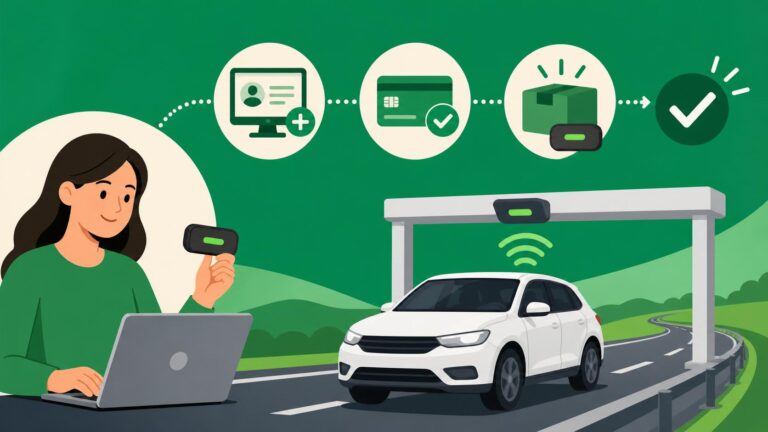
- Via Verde: This is the most convenient solution for tolls. It’s an electronic device that attaches to your car's windshield. As you pass through a toll gate or gantry, the device beeps, and the toll is automatically deducted from your linked Portuguese bank account. You get priority lanes and never have to worry about missing a payment. You can sign up for Via Verde at any Via Verde store, often found in shopping centers, or sometimes at CTT post offices. It's truly a lifesaver for regular drivers.
- Pre-Paid Options: If you don't want a full Via Verde account, there are pre-paid options like the Easy Toll or Toll Card, which are more suitable for tourists or short-term visitors. For residents, Via Verde is by far the most practical.
- Unpaid Tolls: If you pass through an electronic toll without a Via Verde device or an active pre-paid account, the system reads your license plate. You then have a few days to pay the toll at a CTT post office or a Payshop agent. If you don't, you'll eventually receive a hefty fine by mail. Trust me, you don't want to deal with that. Getting a Via Verde tag for electronic highway tolls is a must.
Maintenance and Mechanics
Finding a reliable mechanic who you trust and who can communicate effectively can be a challenge in any new country.
- Recommendations: The best way to find a good mechanic is through word-of-mouth. Ask fellow expats in online groups or local communities for their recommendations. A personal endorsement goes a long way.
- Local Garages (Oficinas): There are many independent garages across Portugal. Some are specialized in certain brands, while others are generalists. Prices can vary, so it's always good to get a quote before any major work is done.
- Dealership Service Centers: If you bought your car from an official dealership, their service center is often a good (though more expensive) option, especially if the car is still under warranty. They'll have brand-specific knowledge and parts.
- Language: While some mechanics in larger cities might speak a little English, be prepared for Portuguese. Again, a Portuguese-speaking friend can be invaluable for explaining issues and understanding the proposed repairs. It helps to have some basic car-related Portuguese vocabulary or even use a translation app.
- Regular Servicing: Keep up with your car's regular service schedule. Portugal's climate can be demanding on vehicles, and regular maintenance helps prevent major issues and ensures you pass your annual IPO without a hitch.
Fuel Costs and Parking
Daily driving habits also see a shift when you move to Portugal.
- Fuel Costs: Gasoline (gasolina) and diesel (gasóleo) prices in Portugal are significantly higher than in countries like the US, often comparable to other Western European nations. This is due to various taxes. It’s a good idea to factor these costs into your monthly budget. You'll see petrol stations from major brands like Repsol, Galp, BP, and Cepsa. Many supermarkets also have their own fuel stations, which often offer slightly cheaper prices (e.g., Continente, Pingo Doce).
- Parking: Parking can be a nightmare in older city centers like Lisbon and Porto. Street parking is often metered or resident-permit only (managed by companies like EMEL in Lisbon). Underground parking garages are abundant but can be expensive for long durations. In smaller towns, parking is generally easier and often free, but it's always wise to check for signs indicating restrictions. If you live in a city, look into getting a residential parking permit if applicable to your area. This will significantly reduce your parking stress and costs.
Buying a used car in Portugal might seem like a marathon through paperwork and foreign terms, but with the right preparation and a bit of patience, you'll be enjoying the open roads in no time. Just remember to dot your i's and cross your t's, and don't be afraid to ask for help! I still remember the relief of finally having my own car here; it truly opens up the country for exploration, from the bustling cities to the quiet, sun-drenched villages. For managing your personal budget around these new expenses, consider platforms like Wise for transferring funds efficiently to your Portuguese bank account, or check out Airalo for an eSIM to stay connected while car hunting. And for those little extras for your car, like phone holders or emergency kits, Amazon Spain is often your best bet for delivery to Portugal.
Disclaimer
Please note that while this guide provides comprehensive information based on current regulations and common expat experiences in Portugal, laws and procedures can change. It is always advisable to verify the latest requirements with official Portuguese government sources (e.g., IMT, Finanças, AIMA, Conservatória do Registo Automóvel) or consult with a legal professional or an accredited agente de documentação for personalized advice regarding your specific situation before making any major decisions. This information is for general guidance only and does not constitute legal or financial advice.