How to Register for the SNS and Get a Utente Number in Portugal
Disclosure: This article contains affiliate links. If you buy through them, we may earn a commission at no extra cost to you. Read our full disclosure.
Walking into a Portuguese health center for the first time without a healthcare number is a rite of passage that usually involves a lot of confusion and at least one "come back tomorrow" shrug. I remember standing in a chilly queue in Lisbon at 7 AM, clutching my residency card and praying I had the right paperwork to finally access the system. This guide solves that administrative puzzle by breaking down exactly how to register for the SNS and secure your Número de Utente without the typical stress.
Understanding the Serviço Nacional de Saúde and the Utente Number
Before you start gathering your documents, it is vital to understand what the Número de Utente actually represents. In Portugal, the Serviço Nacional de Saúde (SNS) is the state-funded healthcare system. While it is not entirely free—small co-payments called Taxas Moderadoras: Co-payments and Costs in the Public Health System often apply—it is the safety net that ensures you won't be bankrupted by a major medical emergency. Your Número de Utente is your unique identification number within this system. Without it, you are essentially a ghost in the public medical world.
You might think that having a private insurance policy from a provider like Cigna Global means you can skip this step. However, even if you prefer private care, having an SNS number is essential for things like subsidized prescriptions and access to public emergency rooms, which are often better equipped for major traumas than private clinics. Think of the public system as your foundation and private insurance as the layer that gives you speed and comfort.
The system is designed to be universal, but the application process for foreigners has become more standardized yet simultaneously more "by the book" in recent years. You are eligible for this number if you are a legal resident of Portugal, though the specific requirements can vary slightly depending on whether you are an EU citizen or a non-EU citizen on a visa. Regardless of your origin, the goal is the same: getting registered at your local Centro de Saúde (Health Center).
The Essential Document Checklist for Registration
Portuguese bureaucracy thrives on paper. If you show up missing even one small document, the receptionist (the "administrativo") will likely send you away. I have learned the hard way that it is always better to over-prepare. To Registering with the Centro de Saúde: Getting Your SNS Número de Utente, you will need a core set of documents that prove who you are and where you live.
First and foremost is your proof of identification. For non-EU citizens, this is your passport along with your residence permit (Título de Residência). If you are still waiting for your physical card but have an approved visa and an AIMA appointment confirmation, take those, though some centers can be stubborn about requiring the actual card. For EU citizens, your national ID and your CRUE (Certificate of Residence for EU Citizens) are mandatory.
Next is your NIF (Número de Identificação Fiscal). You cannot do much of anything in Portugal without this tax number. Additionally, if you are working in Portugal, you should bring your NISS (Social Security Number). While not always strictly required for the health number itself, having your NISS linked to your healthcare profile ensures that the system knows you are a contributor, which can affect your access to certain benefits.
The most common sticking point is the proof of address. A simple utility bill often isn't enough for the health center. Many centers specifically demand an Atestado de Morada, which is a certificate issued by your local Junta de Freguesia (Parish Council). This document proves you actually live in the neighborhood that the health center serves. Obtaining this often requires two witnesses who are already registered in that parish to sign for you, which is a classic "welcome to the neighborhood" hurdle for many expats.
The Physical vs Online Registration Process
In an ideal world, you could do everything online. While there have been improvements, the most reliable way to get your number is still by visiting your local Centro de Saúde in person. You must go to the center that corresponds to your registered address; you cannot simply pick a center that looks "nicer" or has shorter lines in another part of town.
When you arrive, look for the "Secretaria." You will likely need to take a ticket (senha) from a machine. Look for the category labeled "Inscrição" or "Administrativo." Once your number is called, be prepared for a conversation that might happen entirely in Portuguese. If you aren't confident in your language skills, having a few key phrases written down or a translation app ready is a lifesaver. Most staff are helpful, but they are also very busy, so being organized and polite goes a long way.
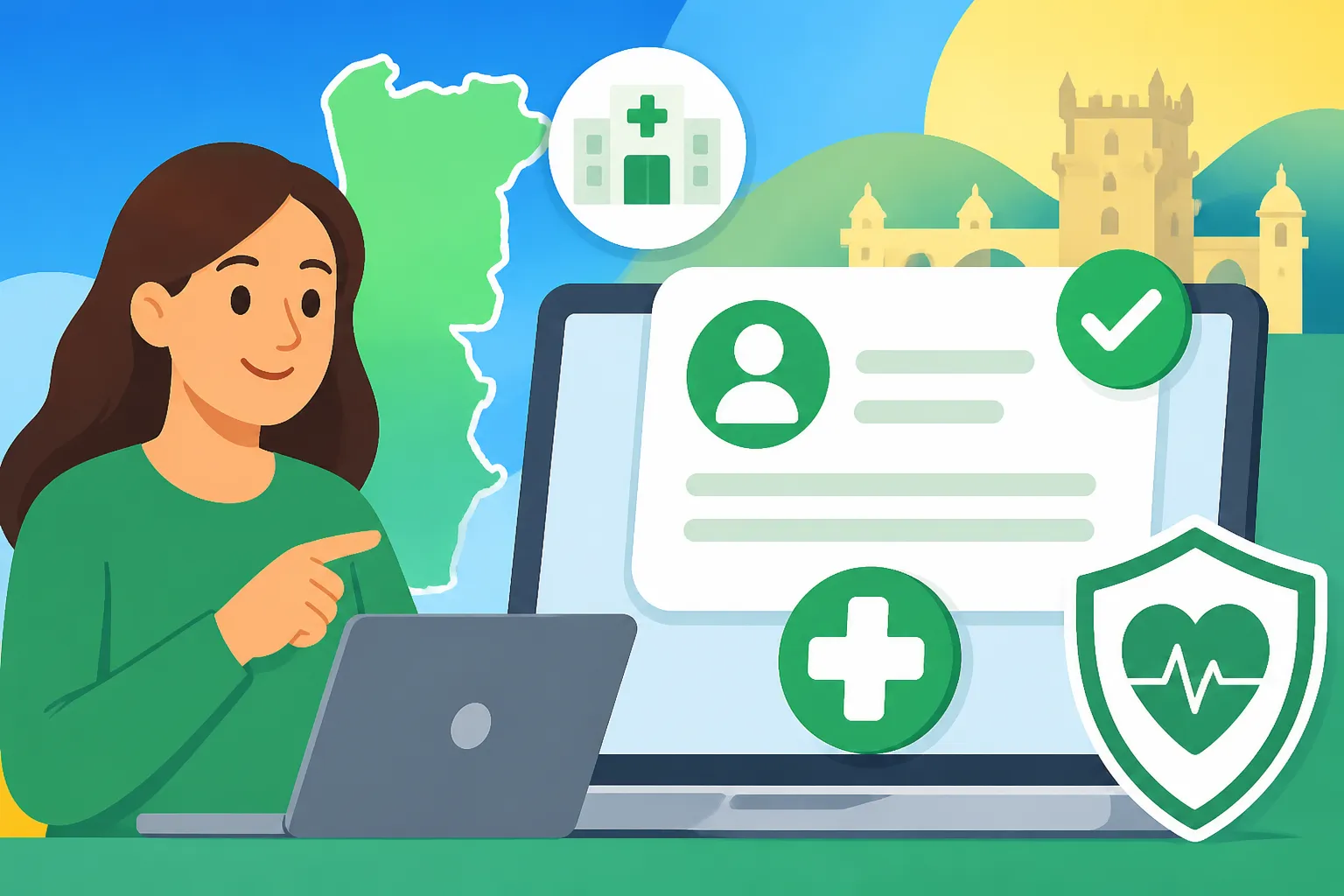
Some regions have experimented with allowing expats to get your Número de Utente online without visiting the health center. This usually involves sending an email to the administrative department of your local health cluster (ACES). In your email, you must attach clear, scanned copies of all the documents mentioned above. The downside? These emails can sit in an inbox for weeks without a response. If you choose the email route, I recommend a polite follow-up after ten days. If you need medical care urgently, the in-person visit is the only way to go.
| Document Type | Required for EU Citizens | Required for Non-EU Citizens | Why It Matters |
|---|---|---|---|
| Identification | National ID Card | Passport & Residence Permit | Proof of legal identity and status. |
| Tax Number (NIF) | Yes | Yes | Links your health profile to the tax system. |
| Proof of Address | CRUE or Atestado | Atestado de Morada | Ensures you are at the correct health center. |
| Social Security (NISS) | Recommended | Recommended | Proves you are a contributor to the system. |
| Work Contract | Optional | Recommended | Can help clarify your residency intent. |
Managing Life Without a Family Doctor
One of the biggest frustrations for expats is realizing that getting a Número de Utente does not automatically mean you get a family doctor (Médico de Família). Portugal has a chronic shortage of family doctors, especially in Lisbon, the Algarve, and the Alentejo. You might be registered but placed on a waiting list that lasts years.
If you are "sem médico de família," don't panic. You still have access to the system. You can still book "consultas abertas" (open consultations) for acute issues, and you can still use the SNS 24 Helpline (808 24 24 24): Triage, Advice, and Sick Notes to get medical advice or even a prescription over the phone. However, for routine check-ups or chronic disease management, not having a dedicated doctor is a significant hurdle.
This is where the Public vs Private Healthcare in Portugal: Which One Should Expats Choose? debate becomes very real. Many of us maintain a private insurance policy precisely because we want a consistent doctor who speaks English. While you wait for your public registration or a family doctor assignment, having a policy from SafetyWing or Cigna Global allows you to visit private hospitals like CUF or Hospital da Luz and see a specialist within days rather than months.
Practical Tips for the Day of Registration
To make your registration day as smooth as possible, I recommend arriving early—usually 15 to 30 minutes before the health center opens. The queues can grow quickly, and some centers only process a certain number of administrative "tickets" per day. If you arrive at 11 AM, you might find that the administrative desk has already closed for the day or is fully booked.
Bring physical copies of everything. Even if you have the PDF on your phone, the administrative staff often prefer to take a physical photocopy for their files. If you provide them with the copies yourself, it saves time and shows you are prepared. Also, keep your "Comprovativo de Inscrição" (Proof of Registration) safe. They will give you a piece of paper with your number on it; this is your temporary "card" until you can perhaps access the digital version via the SNS app later.
If you are Finding an English-Speaking General Practitioner (Médico de Família) within the public system, you can politely ask the receptionist if there are any doctors at that center who speak English. While the official language of the system is Portuguese, many doctors are fluent in English and are happy to use it during a consultation. However, the administrative staff are less likely to speak English, so this is where your preparation pays off.
Coordinating Your Healthcare Strategy
Once you have your number, you need to decide how to use it. Many expats find that a hybrid approach works best. For example, you might use the public system for your annual vaccinations and emergency room visits—especially if you need Emergency Medical Care in Portugal: Calling 112 and Going to the Hospital—while using Private Health Insurance in Portugal: Costs, Coverage, and Best Providers for dental care, dermatology, or other specialists.
If you are in Portugal on a D7 or D8 visa, remember that your Health Insurance Requirements for the D7 and D8 Visa Application initially required private insurance. Once you have your Número de Utente, you are legally covered by the state, but most digital nomads and retirees choose to keep their private coverage for the convenience it offers. Being able to book an appointment via an app and see a doctor in a modern facility with zero wait time is often worth the monthly premium.
Also, be sure to download the "SNS 24" app. Once you have your number, you can log in (usually via your Chave Móvel Digital) and see your digital health card, your prescription history, and your vaccination record. This is incredibly helpful when you are Finding Doctors and Specialists in Portugal: English-Speaking Medical Care in the private sector, as you can show them your public records to ensure continuity of care.
Final Thoughts on the Portuguese Health Journey
Navigating the SNS is a marathon, not a sprint. The day you finally get that little slip of paper with your nine-digit Número de Utente is a day to celebrate. It means you are officially part of the fabric of Portuguese society. You have moved past being a tourist and are now a resident with the same rights to healthcare as any local.
Don't let the stories of long wait times or grumpy receptionists discourage you. The system, while strained, is full of highly competent and compassionate medical professionals. By following the steps in this guide, staying organized with your paperwork, and maintaining a polite and patient attitude, you will find that the "daunting" Portuguese bureaucracy is just another hurdle you are perfectly capable of clearing.
Disclaimer
This guide is for informational purposes only and does not constitute legal or professional medical advice. Immigration laws and healthcare regulations in Portugal are subject to change. Always verify current requirements with the official SNS website or your local Centro de Saúde. For comprehensive medical coverage, we recommend consulting with a certified insurance broker to discuss plans from providers like Cigna Global or SafetyWing.