Registering With the SNS in Portugal: Getting Your Utente Number
Disclosure: This article contains affiliate links. If you buy through them, we may earn a commission at no extra cost to you. Read our full disclosure.
Navigating the Portuguese bureaucracy often feels like a rite of passage that involves too many stamped papers and early morning queues. I remember standing outside a health center in Lisbon at 7:30 AM, clutching a folder of documents, only to be told the person who handles registrations was on a coffee break that seemingly lasted forever. This guide solves the confusion around the SNS registration process so you can secure your health rights without the headache.
Understanding the SNS and the Número de Utente
The Serviço Nacional de Saúde (SNS) is the backbone of the Portuguese medical landscape, providing universal coverage to residents. For an expat, the first major hurdle isn't finding a doctor, but getting that nine-digit identification known as the Número de Utente. This number is your passport to the public system, allowing you to access everything from routine blood tests to emergency surgeries. Without it, you are effectively a ghost in the system, often forced to pay full private rates for even the most basic public consultations.
What exactly is the SNS
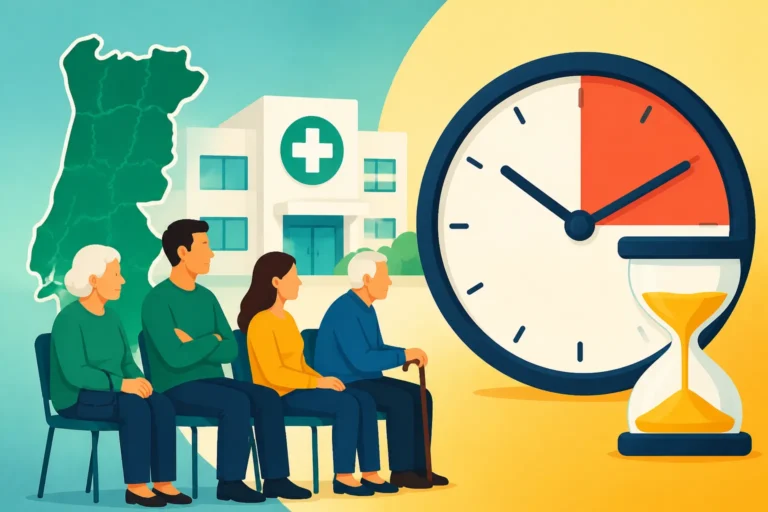
The SNS is Portugal’s publicly funded healthcare system, established in 1979 to ensure that every resident has access to medical care regardless of their economic status. While the system is robust, it is currently under significant strain. The demand for services in major hubs like Lisbon, Porto, and the Algarve has led to longer wait times, which makes understanding Portugal's National Health Service (SNS): How the Public System Works essential for setting realistic expectations. The system is funded through general taxation, meaning that once you are a tax-paying resident, you have contributed to the pot and are entitled to its benefits.
However, the SNS is not a monolithic entity. It operates through a network of local health centers (Centros de Saúde) and large public hospitals. Your primary point of contact will always be your local health center, which acts as the gatekeeper to the rest of the system. This is where you will be assigned a family doctor—if one is available—and where your medical history in Portugal begins. It is important to realize that the SNS is separate from the private sector, although they often overlap in terms of the doctors who work in both.
The magic of the Número de Utente
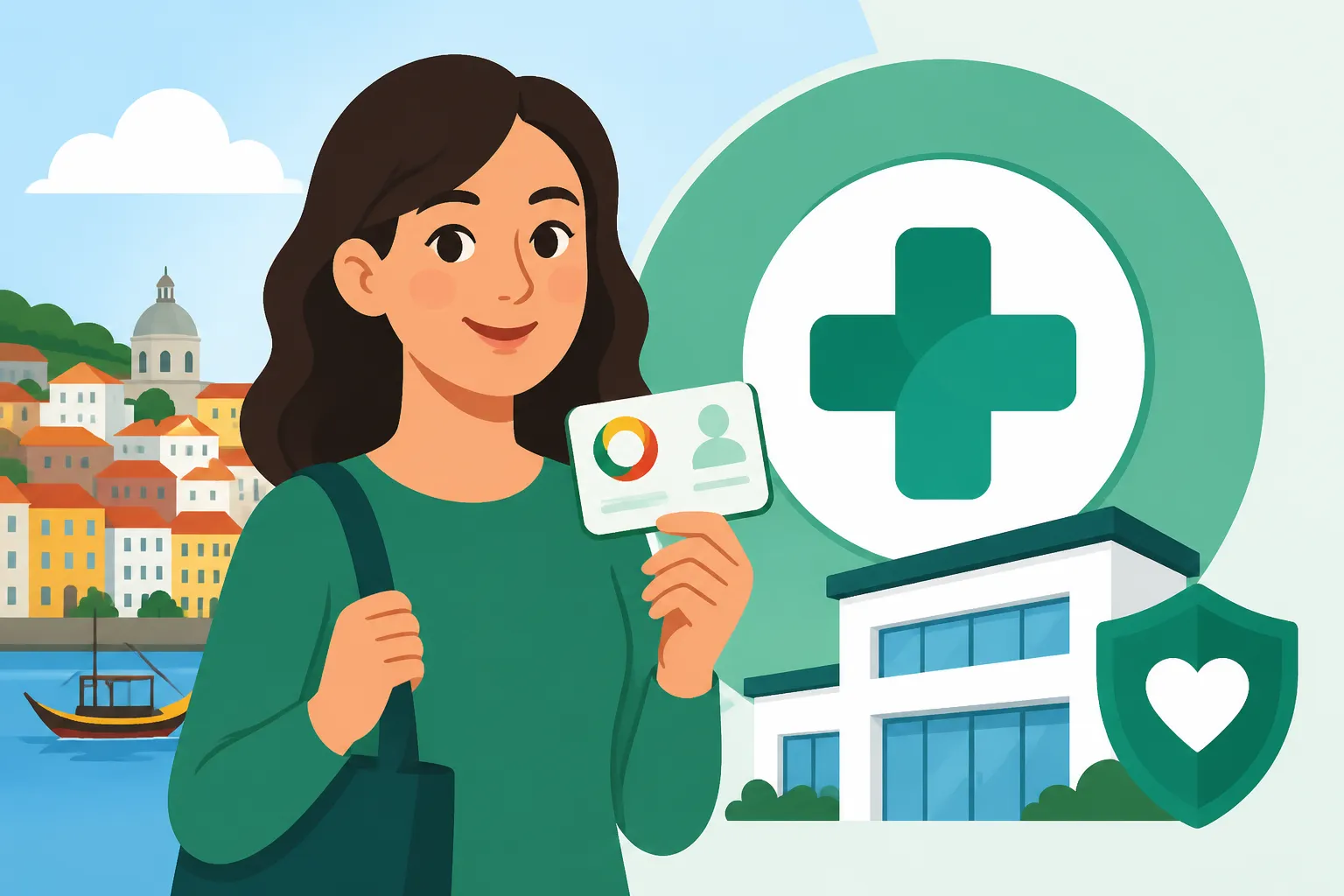
Your Número de Utente is more than just a number; it is a digital key that links your medical records, prescriptions, and appointments across the entire country. When you visit a pharmacy to pick up medication, the pharmacist will ask for this number to see your electronic prescriptions. When you go to the hospital, this number ensures they can see your previous allergies or treatments. It essentially bridges the gap between different levels of care.
Securing this number is one of the most critical steps in your relocation checklist. Even if you plan on using private insurance providers like Cigna Global for the majority of your care, having an SNS number is vital for emergencies. In Portugal, if you have a serious accident or a life-threatening condition, the public hospitals are often better equipped than private clinics to handle complex trauma. Having your number ready ensures you are treated as a resident, not a tourist, which significantly lowers the administrative burden during a crisis.
Who is Eligible for an SNS Number
Eligibility for the SNS is primarily tied to legal residency rather than nationality. If you are living in Portugal legally, you are generally entitled to an SNS number. However, the requirements change slightly depending on your country of origin and the type of visa you hold. Validation of your residency status is the first thing a clerk at the Centro de Saúde will look for, so having your paperwork in order is non-negotiable.
EU and EEA citizens
Citizens of the European Union, the EEA, and Switzerland have a relatively straightforward path. Under EU law, you have the right to access healthcare on the same terms as Portuguese nationals. If you are staying for more than 90 days, you should have already obtained your CRUE (Certificado de Registo de Cidadão da União Europeia) from your local Camara Municipal. This document, combined with your passport and NIF, is usually enough to get you registered at your local health center.
For those just visiting or in the middle of a move, the European Health Insurance Card (EHIC) provides temporary coverage for "necessary" care. But don't make the mistake of thinking the EHIC is a substitute for an SNS number. The EHIC is for tourists; once you are a resident, the system expects you to register and get your permanent number. If you are transitioning from being a visitor to a resident, prioritize Registering with the Centro de Saúde: Getting Your SNS Número de Utente as soon as your CRUE is in hand.
Non-EU residents and visa holders
For those of us coming from outside the EU—the Americans, Brits, Brazilians, and Australians—the process is tied strictly to our residence permits. Whether you are on a D7 passive income visa or a D8 digital nomad visa, you are eligible for the SNS. The challenge often lies in the "limbo period" between arriving in Portugal and actually receiving your physical residence card from AIMA.
During this waiting period, many health centers will accept your visa stamp and your NIF and NISS: How to Get Your Portuguese Tax and Social Security Numbers as proof of your intent to reside. However, some stricter centers might insist on seeing the final residence card. In these instances, having a backup plan like SafetyWing is highly recommended. It covers you while you navigate the bureaucratic gaps, ensuring you aren't left vulnerable while waiting for a clerk to approve your SNS application.
Tourists and temporary visitors
If you are just in Portugal for a few weeks to scout neighborhoods or enjoy the surf, you are generally not eligible for a permanent SNS number. You can still access the public health system in an emergency, but you will be charged as a non-resident. These costs can add up quickly, although they are still often cheaper than healthcare in the United States.
Temporary visitors should always carry travel insurance. While the SNS is amazing, it isn't designed to provide free routine care to the millions of tourists who visit Portugal each year. If you find yourself needing a doctor for a minor issue while visiting, you might find it easier to use Telehealth and Online Doctors: Using TravelDoctores and Doctorsa rather than trying to navigate the public health center registration process for a short-term stay.
The Step-by-Step Registration Process
The process of getting your number is a mix of digital prep and physical presence. While Portugal is moving toward a more digital-first bureaucracy, the "face-to-face" culture still dominates the health sector. You cannot simply walk into any health center; you must go to the one that serves your specific residential address.
Locating your Centro de Saúde
The first step is identifying your catchment area. Every neighborhood (freguesia) is served by a specific health center. You can find yours by searching for "Centro de Saúde" followed by your neighborhood name on Google Maps, or by checking the official SNS portal. It is a common mistake to go to a center near your office or a center that a friend recommended. If your Atestado de Morada (proof of address) doesn't match their jurisdiction, they will politely (or not so politely) send you away.
Once you find the right center, check their opening hours for "Inscrições" (registrations). Some centers only handle new registrations during specific hours, often early in the morning. I've found that arriving 15 minutes before they open is the best way to ensure you actually get seen. Bring a book; the wait can be long, and the "senha" (ticket) system is used religiously in these offices.
Required documentation for registration
Documentation is where most expats stumble. You need to be over-prepared. The standard list of requirements usually includes:
- A valid Passport or National ID card.
- Your Portuguese Residence Permit (or your visa and proof of AIMA appointment).
- Your NIF (Tax Identification Number).
- Your NISS (Social Security Number), especially if you are working or freelancing.
- Proof of Address (usually the Atestado de Morada from your Junta de Freguesia).
The Atestado de Morada is particularly important. Even if you have a rental contract, many health centers will insist on this official document from the local parish council. Getting this usually involves taking two witnesses (who are registered in the same parish) to the Junta to vouch that you live there. It sounds archaic, but it is a standard part of Healthcare in Portugal for Expats: The Complete 2026 Medical Guide and something you should handle in your first week of arrival.
The interview and the Atestado de Morada
When your ticket number is finally called, you will sit down with an administrative clerk. They will input your data into the national database. Be prepared for the question of whether you have any chronic illnesses or current medications. This isn't a medical exam, but it helps them categorize your file. If you have been paying into the social security system, make sure they link your NISS to your health profile, as this often affects the "Taxas Moderadoras" (user fees) you might have to pay later.
After the data entry, they will print a temporary paper containing your Número de Utente. Guard this paper with your life. It usually takes a few days or weeks for the number to become fully "active" in the digital systems of pharmacies, but the paper itself is valid proof of your registration. At this stage, you should also ask if there is a family doctor available to be assigned to you.
Registering Online vs In Person
In the wake of recent administrative reforms, there have been efforts to allow expats to get their How to get your Número de Utente online without visiting the health center. While this is technically possible, the success rate varies wildly depending on which region you live in.
Navigating the SNS Portal do Utente
The Portal do Utente is the digital heart of the SNS. Once you have your number, you can register for access using your Chave Móvel Digital (Digital Mobile Key). This portal allows you to see your health history, book appointments at your Centro de Saúde, and even request repeat prescriptions.
For the initial registration, some people have had success by using the "Fale Connosco" (Contact Us) form on the SNS website, uploading scans of their residency card and NIF. However, the response time can be weeks. If you are in a hurry—perhaps because you need a specific prescription—the in-person route remains the most reliable way to get a number on the same day.
Emailing your local health center
A middle-ground approach that has gained popularity is emailing the administrative office of your local health center directly. You can often find these email addresses on the regional health authority (ARS) websites. In your email, you should attach all your documents and a polite message in Portuguese explaining that you are a new resident wishing to register.
If you choose this route, be incredibly organized. Put your name and NIF in the subject line. This tends to work well in smaller towns where the clerks have more time to process digital requests. In busy Lisbon hubs like Estrela or Arroios, however, your email might sit in an inbox for months. If you don't hear back within a week, it’s time to put on your walking shoes and visit in person.
Potential Hurdles and Veteran Tips
Even with all your documents, things don't always go smoothly. The Portuguese health system is decentralized, and "interpretations" of the rules can vary from one clerk to the next. Knowing how to handle these hurdles is the difference between a successful registration and a wasted morning.
Dealing with no Médico de Família available
The most common frustration for expats is being told there is no "Médico de Família" (Family Doctor) available. This is a systemic issue in Portugal; there are simply more residents than there are GPs. If you are told this, don't panic. You will still get your SNS number, but you will be placed on a waiting list for a doctor.
While you are on this list, you are still entitled to "consultas de recurso" (resource consultations) at the health center if you are sick. You just won't have a dedicated doctor who knows your long-term history. If you have a chronic condition, this can be problematic. This is where Why does my Centro de Saúde say they have no Médico de Família available? becomes a critical read. Many expats choose to supplement their public coverage with a policy from Cigna Global to ensure they have access to a consistent doctor in the private system while they wait for an SNS opening.
Language barriers and translation tips
Most administrative staff in the health centers speak some English, but it is not guaranteed. If you walk in demanding English, you might find the process much slower. A little bit of Portuguese goes a long way. Use phrases like "Gostaria de me inscrever no centro de saúde" (I would like to register at the health center) and "Tenho todos os documentos necessários" (I have all the necessary documents).
If your situation is complex—for example, if you are registering a newborn or have a foreign marriage certificate that needs recognizing—it might be worth bringing a Portuguese-speaking friend or hiring a local relocation assistant for the morning. Clear communication prevents the "come back tomorrow" syndrome that plagues many bureaucratic interactions in Portugal.
Using private insurance while you wait
If the public registration is taking too long and you need medical attention, don't skip care. The private healthcare infrastructure in Portugal is excellent. Hospitals like CUF and Hospital da Luz offer high-quality care with many English-speaking specialists. Using Private Health Insurance in Portugal: Costs, Coverage, and Best Providers can bridge the gap while you wait for your public number.
Many expats find that a "hybrid" approach works best. They use the SNS for long-term health management, vaccinations, and emergencies (due to the low costs), and use private insurance for fast access to specialists and elective surgeries. Companies like Cigna Global are particularly popular because they understand the unique needs of the international community and offer direct billing with many of the top private hospitals.
Why the SNS Number is Your Golden Ticket
Once you finally have that number, the benefits become apparent very quickly. It changes how you interact with the entire country's infrastructure, not just the hospitals.
Accessing prescriptions and pharmacies
In Portugal, the state heavily subsidizes many medications, but only if you have an SNS number and a prescription from a doctor registered in the system. When you go to a "Farmácia," they will scan your ID, and the price of your medicine will drop significantly—sometimes by as much as 90%. Without that number, you pay the "PVP" (Preço de Venda ao Público), which is the full market price.
Furthermore, the system is mostly paperless. Your doctor will "send" the prescription to your Número de Utente. All you have to do is show your residency card or give your number at any pharmacy in the country. This convenience is one of the high points of Finding Doctors and Specialists in Portugal: English-Speaking Medical Care. It's a modern, efficient system that makes managing health much easier once you are "in."
Public vs Private cost comparison
While the SNS isn't entirely free, it is incredibly affordable. You will encounter something called "Taxas Moderadoras," which are small co-payments for visits. A consultation at a health center might cost around €5, while an emergency room visit could be around €15–€20. However, as of recent 2026 updates, many of these fees have been waived for primary care consultations to encourage people to seek help early.
Compare this to the private sector, where a single consultation without insurance can easily cost €80 to €120. Over a year, if you have a family, the savings provided by the SNS are substantial. Understanding Taxas Moderadoras: Co-payments and Costs in the Public Health System will help you budget for these small fees, which are usually paid at a Multibanco machine or directly at the health center.
Summary Table of Documents and Fees
| Document | Purpose | Essential Tip |
|---|---|---|
| Passport / ID | Proof of Identity | Must be valid for at least 6 months. |
| Residence Permit | Proof of Legal Right | Use your AIMA card or the D7/D8 visa stamp. |
| NIF | Tax Identification | Ensure it is linked to your current address. |
| NISS | Social Security Number | Vital if you are working or receiving a pension. |
| Atestado de Morada | Proof of Local Residency | Get this from your Junta de Freguesia first. |
| Previous Records | Medical History | Bring a translated list of chronic conditions. |
Why You Should Not Delay
It is tempting to put off this registration. You're busy finding an apartment, setting up Public vs Private Healthcare in Portugal: Which One Should Expats Choose?, and learning how to order a "galao" without sounding like a tourist. But bureaucracy in Portugal moves at its own pace. If you wait until you are actually sick to try and get your SNS number, you will find it incredibly stressful to navigate the queues and the paperwork while feeling unwell.
Registering when you are healthy is a gift to your future self. It ensures that when you do need a doctor, the administrative hurdles are already cleared. You can focus on getting better rather than arguing with a clerk about your proof of address. Portugal offers a high quality of life, and its healthcare system is a large part of that—as long as you have the right nine digits in your pocket.
Disclaimer
This guide is for informational purposes only and does not constitute legal or professional medical advice. Immigration and healthcare laws in Portugal are subject to frequent change. Always verify the latest requirements with the official SNS (Serviço Nacional de Saúde) portal or a qualified legal professional before making health or residency decisions. All internal links to insurance providers and services are recommendations based on common expat usage in 2026.