What is the ‘Livro de Reclamações’ and how does it solve consumer disputes?
Disclosure: This article contains affiliate links. If you buy through them, we may earn a commission at no extra cost to you. Read our full disclosure.
Imagine you are standing in a sleek telecommunications store in central Lisbon, being told for the third time that your contract cannot be canceled despite the lack of service. Hours of arguing with a clerk over a phantom fee often show that polite persistence alone gets you nowhere in the face of Portuguese bureaucracy. This guide breaks down the Livro de Reclamações, your most powerful legal tool for resolving consumer disputes and forcing a formal response from any business in the country.
The Legal Foundation of the Livro de Reclamações
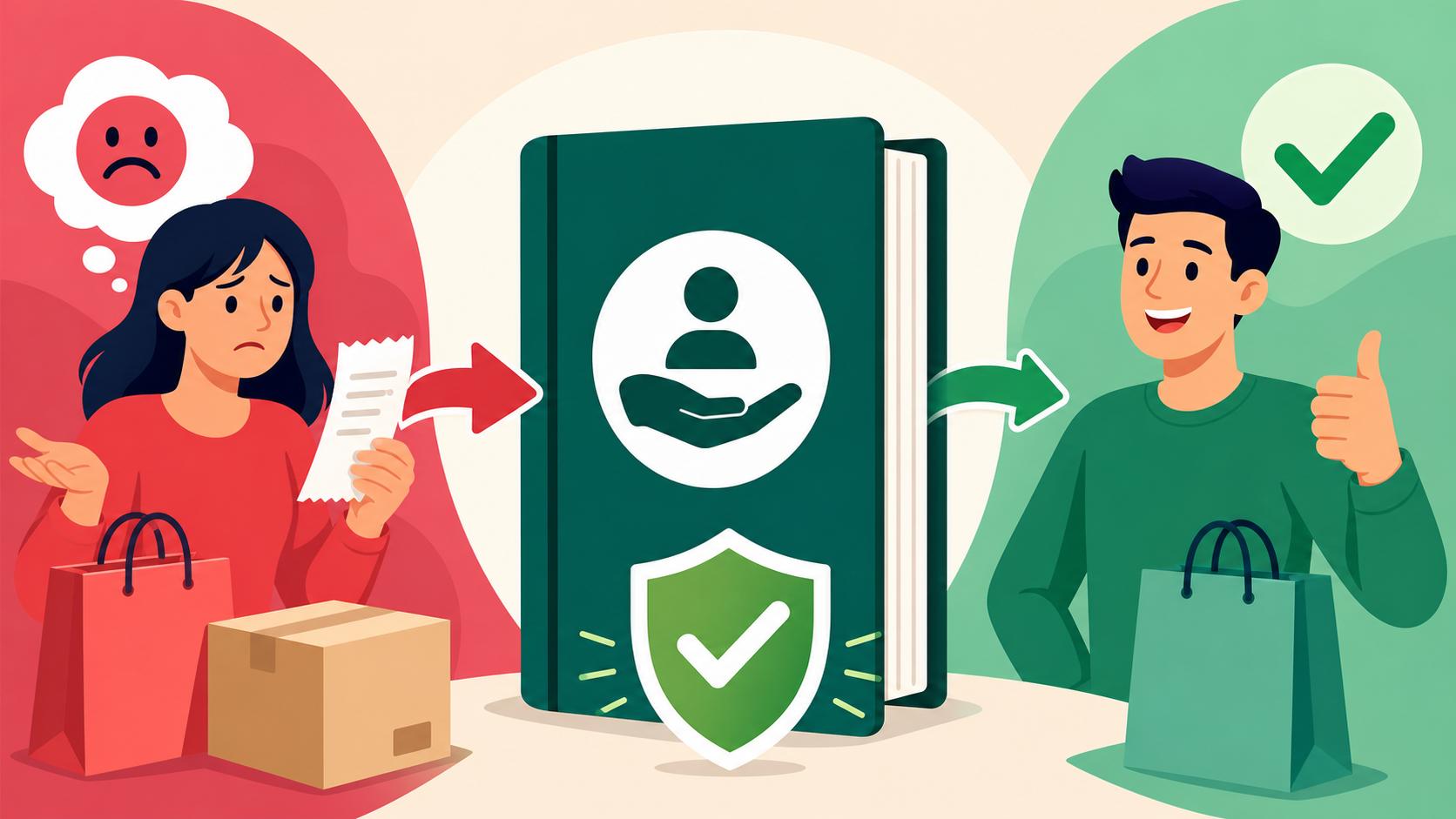
The Livro de Reclamações, or "Complaint Book," is not merely a place for customer feedback; it is a mandatory legal instrument regulated by the Portuguese government. Every single commercial establishment in Portugal—from the smallest neighborhood café to the largest multinational bank—is legally required to hold this book. Its purpose is to provide a direct, supervised channel for consumers to voice grievances when a business fails to meet its obligations or violates consumer rights.
Historically, this was a physical "red book" kept behind the counter. However, the system has evolved significantly to keep pace with the digital age. For expats navigating the Living in Portugal Guide 2027: The Complete Relocation Manual for Expats, understanding that this book is your "nuclear option" is essential. When you ask for the book, the tone of the conversation usually changes instantly. This is because every entry in the book is serialized and tracked by a government regulator. The business cannot simply tear out a page or ignore the entry; they are legally compelled to send a copy to the relevant authority within a strict timeframe.
If a business refuses to provide the book upon request, they are committing a serious legal infraction. In my early days here, I learned that if a manager claims the book is "missing" or "with the accountant," you have the right to call the police (PSP or GNR) to the scene. The mere mention of calling the authorities usually results in the book miraculously appearing from under the counter. This level of accountability is what makes it so effective for foreigners who might otherwise feel like an easy target for unfair Refund policies in Portuguese stores: Returns vs Store Credit (Vale).
Physical vs Digital Complaint Books
While the physical book still exists in every storefront, the introduction of the Livro de Reclamações Eletrónico (the Digital Complaint Book) has been a game-changer for expats and digital nomads. If you are dealing with an online service, such as booking medium-term accommodation through Uniplaces or purchasing electronics from Amazon Spain, the digital platform is your primary resource.
The digital book serves two main categories. First, it covers entities that provide public essential services, such as electricity, water, and natural gas. Second, it covers all other economic activities that have a physical presence or operate exclusively online. For example, if you are having issues with your Home Internet and Mobile Plans: Vodafone, MEO, and NOS Compared, you can skip the frustrating phone queues and file a digital complaint from the comfort of your home.
| Feature | Physical Complaint Book | Digital Complaint Book |
|---|---|---|
| Location | Available at the physical establishment. | Available at livroreclamacoes.pt. |
| Submission | Hand-written on the spot. | Submitted via an online form. |
| Response Time | The entity has 15 business days to respond. | The entity has 15 business days to respond. |
| Regulatory Oversight | Automatically sent to the regulator by the business. | Sent directly to the regulator via the portal. |
| Best For | Immediate retail disputes or poor in-person service. | Online purchases, utilities, and telecom issues. |
When using the digital version, ensure you have your NIF and NISS: How to Get Your Portuguese Tax and Social Security Numbers ready, as these are often required to identify you in the system. The digital portal allows you to attach photos, PDF contracts, and screenshots of emails, which builds a much stronger case than a hurried handwritten note in a crowded store.
Step-by-Step Guide to Filing an Effective Complaint
Filing a complaint is a structured process. To ensure your grievance is taken seriously by the regulator, you must be precise and objective. Avoid emotional language; instead, focus on the facts of the dispute. Start by identifying the "what, when, and who."
- State the Facts Clearly: Begin with the date and time of the incident. Name the employees involved if possible. If you are complaining about a delivery issue from a platform like Amazon Spain, include the tracking numbers and the specific dates when the delivery was promised versus when it failed.
- Reference the Law or Contract: If you are dealing with Renting an Apartment in Portugal: Contracts, Fees, and Tenant Rights, refer to specific clauses in your lease. If it is a retail issue, mention that the product is under warranty or that the advertised price was not honored.
- Specify Your Desired Outcome: Do not just vent. State clearly what you want: a full refund, a replacement item, or the cancellation of a contract without a penalty.
- Gather Evidence: If you are in a store, take a photo of the "reclamação" once you have filled it out. If you are using the digital portal for a travel-related issue—perhaps a dispute over an international eSIM from Airalo—attach screenshots of the technical failure and your previous attempts to contact their customer support.
After you fill out the physical book, you will be given a duplicate copy. Keep this safe. The business then has 15 business days to send the original to the regulator and respond to you directly. If you used the digital portal, you will receive an email confirmation immediately, and the 15-day clock starts the following business day. During this period, the business is under immense pressure to resolve the issue, as a negative ruling from the regulator can lead to heavy fines.
Navigating Specific Expat Pain Points
Expats often face unique challenges that make the Livro de Reclamações particularly relevant. One common scenario involves the high Cost of Living in Portugal 2026: Detailed Budgets for Singles and Families, where every euro counts. You might find yourself overcharged for a utility bill or find that a repairman you found via an app has done a subpar job.
If you are Finding English-speaking plumbers and electricians using the Fixando app and a contractor fails to provide a receipt or refuses to fix a mistake, you can use the digital complaint book to flag the business behind the service. Similarly, if you are an international student or remote worker using Uniplaces to secure a flat and the property does not match the photos, the complaint book provides a formal path to mediation that goes beyond simply leaving a bad review on Google.
Another area where the book is vital is within the public sector. While private businesses use the Livro de Reclamações, public entities like the immigration office use the "Livro Amarelo" or Yellow Book. If you are experiencing unexplained delays or unprofessional treatment while visiting AIMA Portugal: Navigating the New Immigration Agency and Residence Permits, you should ask for the Livro Amarelo. The process is similar, but the complaint is sent to the Inspectorate-General of the relevant ministry. Even for health issues, such as problems when Registering with the Centro de Saúde: Getting Your SNS Número de Utente, the Yellow Book ensures your experience is recorded and investigated by the health authorities.
What Happens When the Business Responds?
A common misconception is that the Livro de Reclamações is just a "suggestion box." In reality, the response from the business is monitored by a sector-specific regulator, such as ASAE (for general commerce and food safety) or ANACOM (for communications). If the business responds to you but refuses to solve the problem, the regulator will review the case.
In many instances, the regulator will act as a mediator. If they find that the business violated consumer protection laws, they can order the company to refund you and may even issue a fine to the establishment. If the dispute is complex—such as a legal disagreement over Buying Real Estate: IMT Tax, Stamp Duty, and Closing Costs Explained—the regulator might suggest taking the case to a Consumer Arbitration Center (Centro de Arbitragem de Conflitos de Consumo). These centers offer a faster and cheaper alternative to the traditional court system.
For those facing issues with employment or labor rights, it is important to note that the complaint book is not the correct tool for workplace disputes. In those cases, you should learn How to report workplace harassment or unpaid wages to the ACT, as the Authority for Working Conditions has its own specialized reporting mechanisms.
Finally, remember that the Livro de Reclamações is also about prevention. When a business sees a customer who knows their rights and specifically asks for the book, they are far more likely to offer a "gesto comercial" (a commercial gesture) to resolve the issue on the spot. They would much rather give you a 20-euro refund than deal with the administrative headache and potential fines associated with a formal government investigation. Use this tool wisely, remain calm and professional, and you will find that the "unsolvable" bureaucratic walls of Portugal often start to crumble.
Important Legal Disclaimer
The information provided in this guide is for informational purposes only and does not constitute legal advice. While the Livro de Reclamações is a powerful consumer tool, specific legal disputes may require the assistance of a qualified lawyer or a certified consumer defense organization like DECO. Laws and regulatory procedures in Portugal are subject to change, and we recommend verifying current requirements through official government portals.