Buying appliances on installment (Crédito) at Worten or Rádio Popular
Disclosure: This article contains affiliate links. If you buy through them, we may earn a commission at no extra cost to you. Read our full disclosure.
You’ve finally moved into that beautiful T2 apartment in the heart of Porto, but the "furnished" promise turned out to be a single rickety chair and a kitchen missing a refrigerator. I remember the cold sweat I broke into during my first month here, staring at a €800 washing machine while my bank account was still recovering from the deposit and first month's rent. This guide will walk you through the labyrinth of buying appliances on credit in Portugal so you can get your home functional without sacrificing your entire relocation budget.
Understanding the Landscape of Consumer Credit in Portugal
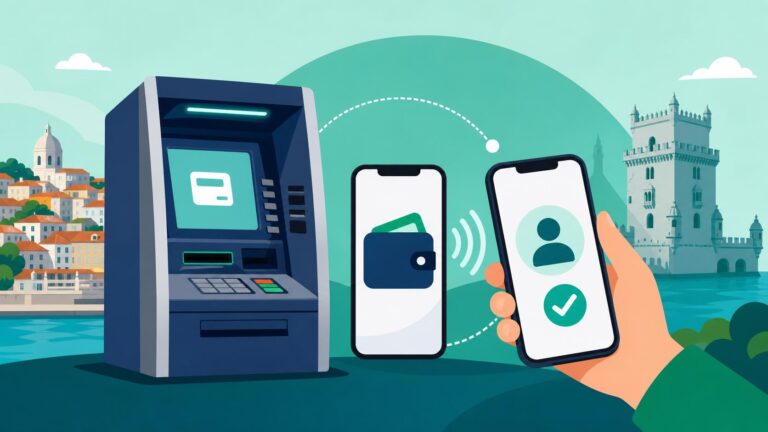
When you walk into a massive electronics retailer like Worten or Rádio Popular, you aren't just looking at appliances; you are looking at a sophisticated financial ecosystem. In Portugal, these stores rarely finance the purchases themselves. Instead, they act as intermediaries for major credit institutions like Cetelem, Oney, or BNP Paribas Personal Finance. This means that when you ask for an installment plan, you are actually applying for a small consumer loan.
The first thing you will notice on the price tags—besides the price of the sleek new espresso machine—is a cluster of acronyms: TAEG and TAN. These are the most important numbers you will encounter. The TAN (Taxa Anual Nominal) is the basic interest rate, but the TAEG (Taxa Anual de Encargos Efetiva Global) is the one that actually matters to your wallet. The TAEG includes interest, commissions, and any mandatory insurance or account fees. If a store is offering a "0% interest" deal, you must check the TAEG. Sometimes the interest is zero, but a monthly "account management fee" of €2 makes the effective cost higher than you anticipated.
Navigating these terms is a rite of passage. If you are still in the early stages of your move, it’s worth checking the Cost of living in Lisbon 2026: Rent, groceries, and eating out breakdown to see how much room you truly have in your monthly budget for these extra payments. Portuguese retailers are quite aggressive with "Campaigns," especially during Black Friday or the "Dias Sem IVA" (Days without VAT). During these periods, true 0% interest deals are common, but they usually require a minimum purchase amount, often starting at €150 or €200.
The Hidden Costs of Financing Small Items
While it is tempting to finance everything from a high-end laptop to a simple microwave, you need to be wary of the "administrative fees" that can creep in. For expats, these small monthly payments can add up and complicate your Portuguese Taxes for Expats: IRS, Tax Residency, and Filing Deadlines if you aren't careful about tracking your outflows. Most credit contracts at Rádio Popular will include a one-time "opening fee" (comissão de abertura), which might be €15 to €30, even on a 0% interest plan.
Furthermore, some credit providers will try to bundle in life or disability insurance. While this is common for mortgages, it is often overkill for a €500 fridge. You have the right to refuse these optional insurances, but you must be firm with the salesperson, who is often incentivized to include them in the package.
Why the 14-Month Pay Cycle Matters
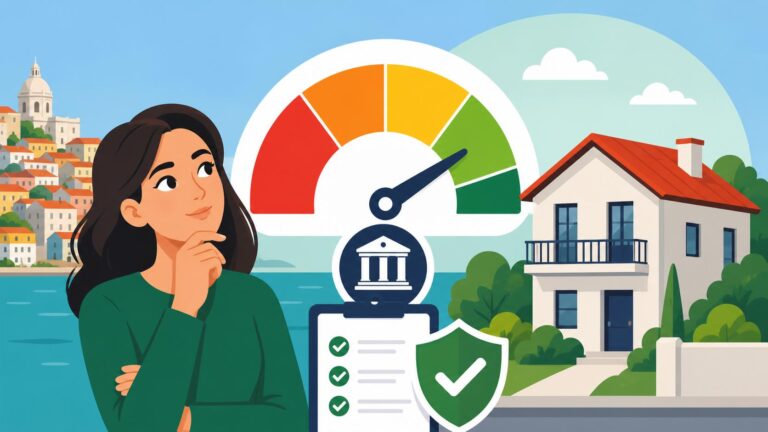
If you are working for a Portuguese company, you’ll likely receive 14 salaries a year (Christmas and Holiday bonuses). When you sit down with a credit representative at Worten, they may ask about your monthly income. It is important to clarify your base net salary versus your total annual take-home. When calculating your "taxa de esforço" (debt-to-income ratio), the bank will look at your monthly obligations. If you are struggling to understand how your pay translates to credit worthiness, take a look at Understanding Portuguese Pay Slips: Gross vs Net Salary and Deductions to get your numbers straight before you walk into the store.
The Document Gauntlet What You Need to Apply
This is where the dream of a new dishwasher often meets the reality of Portuguese bureaucracy. Many expats get all the way to the credit desk, only to be turned away because they lacked one specific, stamped piece of paper. To buy on installment, you are essentially asking a Portuguese bank to trust you, and as a foreigner, you start with a "trust deficit" that only paperwork can bridge.
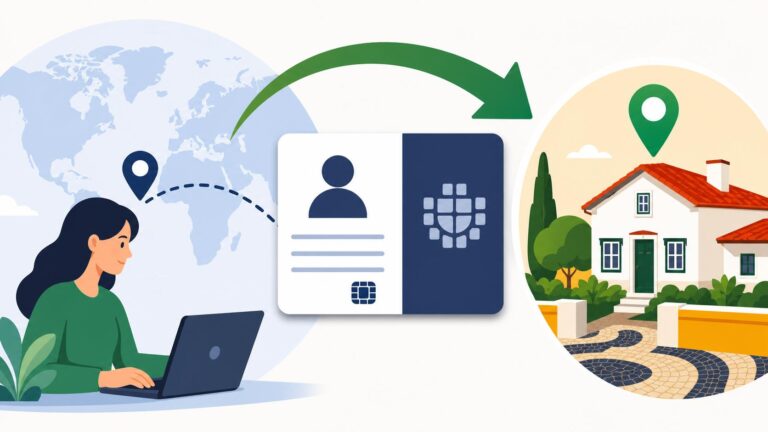
The most basic requirement is your NIF (Número de Identificação Fiscal). Without this, you cannot even buy a loaf of bread on credit, let alone a refrigerator. Beyond the NIF, you will need a valid residence permit (Título de Residência). If you are an EU citizen, your CRUE (Certificado de Registo de Cidadão da União Europeia) is usually sufficient. However, if you are here on a D7 or D8 visa and only have a temporary paper receipt from AIMA, many credit institutions will reject your application until you have the actual plastic card.
Proving Your Income as a Foreigner
The credit clerk will ask for your last three months of "recibos de vencimento" (pay slips). If you have just arrived and haven't received your first paycheck, you are in a difficult spot. In this case, a signed and stamped employment contract (Contrato de Trabalho) can sometimes work, but only if the probation period has already passed. If you are still in your first 90 days of work, the risk is considered too high for most consumer credit providers.
For freelancers or those on "Recibos Verdes," the requirements are even stricter. You will likely need to show your previous year's IRS (tax return) declaration. If you haven't lived in Portugal long enough to file taxes here, you might be forced to pay cash. This is a common frustration, and it is often advisable for new arrivals to focus on Opening a Bank Account in Portugal: Best Banks for Foreigners and Expats as early as possible to start building a local financial history.
The Importance of the Comprovativo de Morada
You must prove where you live, and a rental contract isn't always enough. The most widely accepted document is a "Certidão de Domicílio Fiscal" which you can download from the Finanças portal, or a recent utility bill in your name. If you haven't managed to Set Up Utilities in Portugal: Electricity, Gas, Water, and Internet yet, you might find it impossible to get approved for credit. Use a local bill from EDP or MEO to save yourself the headache.
| Document Required | Purpose | Alternative if Expired/Missing |
|---|---|---|
| NIF | Tax Identification | NIF Document from Finanças |
| Residence Card | Legal Status | CRUE (for EU citizens) |
| Last 3 Pay Slips | Proof of Income | Employment Contract (with caveats) |
| IBAN (Portuguese) | Payment Source | Bank Statement with your name/address |
| Utility Bill | Proof of Address | Finanças Address Certificate |
Navigating the In-Store Experience at Worten vs Rádio Popular
Worten is the "big player" in Portugal, often found in every Sonae-owned shopping mall. Their credit process is highly streamlined, usually using Cetelem. You can often start the process online, but for the final signature, you’ll likely need to visit the "Balcão de Crédito" in-store. Rádio Popular, while slightly smaller, often has very aggressive "Tudo a 10 ou 20 vezes sem juros" (Everything in 10 or 20 installments interest-free) campaigns that can be more flexible for higher-priced items.
When you approach the credit desk, be prepared for a long wait. This isn't a 5-minute transaction. The clerk will manually enter your data into the bank’s portal, and then you wait for a "pre-approval" which can take anywhere from ten minutes to an hour. During this time, they might call your employer or verify your NIF status. It feels invasive, but it is standard procedure.
Online vs. In-Store Applications
Most people prefer the convenience of online shopping, but for credit, I strongly recommend going in-person for your first purchase. The online systems for Worten and Rádio Popular can be finicky with foreign names or non-Portuguese ID formats. If the system glitches online, it can lock your NIF out of the credit portal for 24 to 48 hours. By going to the store, the clerk can override certain formatting errors and speak directly to the credit analyst if there’s a hiccup with your residency status.
If you are looking to manage your funds more efficiently while waiting for credit approval, using a service like Wise to hold your Euros can be helpful, especially if you are transferring money from a non-EU account. You will need a Portuguese IBAN to set up the direct debit (débito direto) for the monthly payments, so ensure your local account is fully active. Some people try to use their foreign accounts, but Portuguese credit providers almost exclusively demand a PT50 IBAN for the automated clearing house system.
Dealing with the "Fiador" Requirement
Occasionally, if your income is deemed too low or your residency too recent, the bank might ask for a "Fiador" (guarantor). This is a person with a stable Portuguese income and permanent residency who agrees to pay if you default. For most expats, this is a deal-breaker, as we rarely have local family members willing to take that risk. If you are asked for a guarantor, it is usually a sign that you should look for a cheaper model or wait until you have more months of Working in Portugal as an Expat: Job Market, Culture, and Hiring in 2027 under your belt to prove your stability.
Alternatives to Store Credit and Better Financial Management
Sometimes, the interest rates or the bureaucratic hurdles of store credit just aren't worth it. If you have been saving, you might find that you can earn more by keeping your cash in a high-yield account like Trade Republic and paying for the appliance in one go, rather than paying the opening fees and potential interest at a retailer. As of 2026, many expats are using these neo-brokers to park their "furniture fund" while they settle in.
Another option is to use a credit card from your home country, but be very careful with exchange rates and foreign transaction fees. If you are moving large sums to cover these costs, check Transferring Money to Portugal: Saving on Exchange Rates and Fees to ensure you aren't losing 3-5% just on the transfer itself.
Leveraging Cashback and Rewards
If you decide to pay cash, check if your Portuguese bank account offers a "Cartão de Crédito" with cashback. Banks like ActivoBank or Millennium BCP often have partnerships with retailers. Additionally, joining the "Worten Resolve" or Rádio Popular loyalty programs can give you 1% to 3% back in store vouchers, which can then be used to buy the smaller things like a toaster or a kettle.
For those who are tech-savvy and hold assets in Binance, remember that while you can use crypto-linked cards for purchases, these are treated as cash sales by the store. You won't get the installment benefits, and you’ll need to be mindful of the Cryptocurrency Tax Laws in Portugal 2026: 28% Rule vs 1-Year Exemption when you liquidate assets to pay for that new OLED TV.
Second-Hand Markets: The Real Expat Secret
If the credit application fails, don't despair. Portugal has a thriving second-hand market on platforms like OLX and Facebook Marketplace. Many expats who are leaving the country sell nearly-new appliances for 40% of the retail price. You won't get an installment plan, but you won't need a NIF or a pay slip either. Just be prepared to arrange your own transport, which you can do easily using apps like Bolt Business or local "man with a van" services found on the Finding English-speaking plumbers and electricians using the Fixando app platform.
Summary Checklist for a Successful Credit Application
To ensure you don't waste a Saturday afternoon, follow this checklist before heading to Worten or Rádio Popular:
- Check your NIF address: Ensure it matches your current residence. If not, see Changing your NIF address from a foreign country to your Portuguese address.
- Print your documents: Even though we live in a digital age, some credit desks still prefer physical copies of your pay slips and address proof.
- Check your "Mapa de Responsabilidades": This is your Portuguese credit report from the Banco de Portugal. If you have unpaid phone bills or other debts, your credit will be denied instantly.
- Confirm the IBAN: Make sure you have the document from your bank app that shows your name and IBAN clearly.
- Time your visit: Avoid the 1st to the 5th of the month, as credit desks are swamped with people whose monthly budgets just reset.
Buying on credit can be a great way to manage the high upfront costs of moving, but it requires a level of organization that can be taxing when you’re already dealing with a new language and culture. Stay patient, keep your documents in a dedicated folder, and remember that once the fridge is delivered and the washing machine is humming, the bureaucracy will feel like a distant memory.
Disclaimer
The information provided in this guide is for informational purposes only and does not constitute financial, legal, or professional advice. Credit terms, interest rates (TAEG/TAN), and documentation requirements in Portugal are subject to change by the respective financial institutions and retailers. Always read the fine print of any credit contract before signing. The author is an expat blogger, not a certified financial advisor or representative of the mentioned brands.