Avoiding Rental Scams in Lisbon and Porto: Red Flags to Watch
Disclosure: This article contains affiliate links. If you buy through them, we may earn a commission at no extra cost to you. Read our full disclosure.
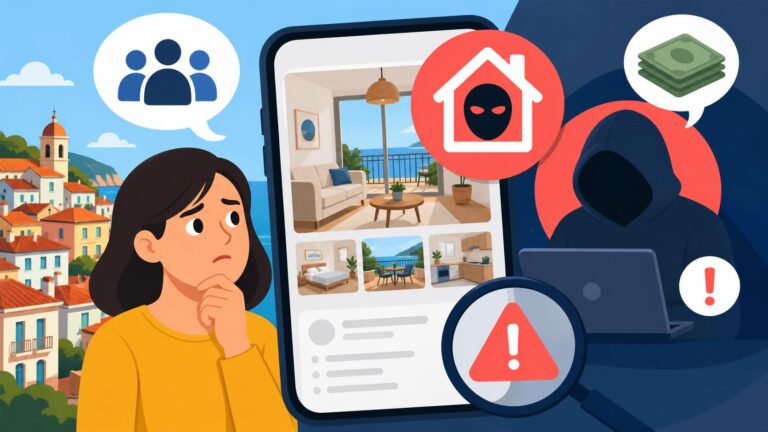
Finding a flat in Lisbon or Porto can feel like a high-stakes game of musical chairs where the music never stops and the chairs are made of gold. I remember spent weeks refreshing Idealista every ten minutes, only to nearly wire a deposit to a "doctor" who claimed he was working in London. This guide breaks down the sophisticated rental scams currently targeting expats in Portugal and provides actionable steps to ensure your move is secure.
The High-Pressure Rental Ecosystem in Lisbon and Porto
The current housing market in Portugal’s two largest cities is, to put it mildly, intense. When I first arrived, I was shocked at how quickly a listing would appear and disappear within the span of a single afternoon. This environment of extreme scarcity is the perfect breeding ground for fraudsters. Scammers know that you are likely feeling the pressure of a visa deadline or the ticking clock of an expensive Airbnb stay. They prey on the "FOMO" (fear of missing out) that naturally occurs when you realize a T1 in Arroios or a studio in Cedofeita has thirty people in line for a viewing.
In Lisbon, neighborhoods like Avenida da Liberdade, Arroios, and the historic Alfama are prime targets for fraudulent listings. In Porto, scammers often focus on the trendy areas of Bonfim or the central Ribeira district. These criminals aren't just amateurs; they often use stolen photos from high-end real estate websites or short-term rental platforms to create a veneer of legitimacy. They understand the nuances of the market, including the specific needs of foreigners who are trying to navigate Renting an Apartment in Portugal: Contracts, Fees, and Tenant Rights for the first time.
Expats are particularly vulnerable because they often lack a local network to verify a landlord’s reputation. Furthermore, the administrative requirements of moving to Portugal—such as needing a lease to secure a residency permit—add a layer of desperation that scammers are all too happy to exploit. They know you need that piece of paper for AIMA, and they will use that against you.
Red Flags in the Listing and Initial Contact
The first line of defense is your intuition, but in a foreign market, your "gut feeling" might not yet be calibrated to local norms. One of the most common red flags is a price that seems suspiciously low. If you find a beautifully renovated apartment in Principe Real or Foz do Douro for €700 when every other listing is €1,400, it is almost certainly a scam. Portugal has seen a massive spike in rents, and while we all want to find that "hidden gem," the reality is that landlords in 2026 are well-aware of market rates.
Another classic tactic is the "Out of the Country" landlord story. You’ll receive an email or a WhatsApp message (usually in very good English) explaining that the owner is a professional—often a doctor, researcher, or NGO worker—currently living in the UK, Germany, or the US. They will claim they can’t show you the apartment in person but will offer to send the keys via a "secure" courier service or a "partner" platform once you’ve deposited the first two months of rent and a security deposit. They may even send you a photo of a fake ID or passport to "prove" who they are. Never, under any circumstances, send money to someone you or a trusted representative have not met in person.
Watch out for high-pressure tactics as well. If a landlord tells you that "five other people are ready to pay right now" and you must send a "reservation fee" before even seeing the property, walk away. Legitimate landlords in Portugal will certainly want to move fast, but they will also want to vet you as a tenant, often asking for your NIF, employment contract, or a Portuguese guarantor (fiador). A scammer doesn't care about your paperwork; they only care about your cash. If you find yourself needing to stay connected while hunting for these listings, using an eSIM from Airalo can keep you online without hunting for local Wi-Fi while you are out on the streets of Lisbon.
Technical Scams and Digital Safety
As technology evolves, so do the methods used by rental fraudsters. One common digital scam involves "clone" websites. You might think you are on a reputable site like Idealista or Imovirtual, but the URL is slightly off—perhaps adding an extra letter or using a .net extension instead of .pt. These sites are designed to capture your personal information and credit card details. Always double-check the URL and look for the padlock icon in the browser bar.
Phishing via WhatsApp is another massive issue. In Portugal, WhatsApp is the primary mode of communication for almost everything, including business. Scammers will often move the conversation away from the official rental platform (like Uniplaces) to WhatsApp as quickly as possible. Once there, they can send you "official-looking" PDF invoices or links to fake payment portals that look exactly like Airbnb or TripAdvisor. They will claim the payment is "protected" by these brands, but once you enter your details, your money vanishes into an offshore account.
If you are booking from abroad and want to avoid these digital minefields, using a verified platform like Uniplaces is a much safer bet. They act as a middleman, holding your payment until you actually move in, which provides a layer of security that direct bank transfers to a stranger simply cannot offer. This is especially useful for students or digital nomads who need to secure a place before they even land at Portela or Francisco Sá Carneiro airport.
Verifying Landlord and Property Authenticity
In Portugal, every legal property has a paper trail. If you are serious about a place, you have the right to ask for the Caderneta Predial (the property’s tax record) and the Certificado Energético (energy certificate). These documents will list the owner's name and the specific details of the property. If a landlord refuses to provide these or makes excuses about why they aren't available, it’s a major warning sign. You can also ask for the Licença de Utilização, which proves the building is legally fit for habitation.
Another way to verify a listing is to perform a reverse image search on the photos provided. If the "cosy studio in Graça" shows up as a "luxury suite in Barcelona" on another site, you’ve caught a scammer. You should also check the address on Google Street View. The scammer had simply stolen photos of a completely different building.
If you are feeling overwhelmed by the legalities, it might be worth Finding an English-speaking real estate lawyer for property closing in Portugal even for a rental, especially if you are looking at long-term, high-value leases. Having a professional look over the contract and verify the owner’s identity can save you thousands of Euros and months of legal headaches later on.
The Importance of the In-Person Viewing
I cannot stress this enough: never sign a contract or pay a deposit for an apartment you haven't stepped foot in. If you are currently outside of Portugal, hire a relocation agent or ask a friend already on the ground to do a viewing for you. A scammer will always have an excuse for why a viewing isn't possible—the current tenant is sick, the keys are with a lawyer, or the landlord is traveling. These are all lies.
During a viewing, pay attention to the details. Does the key actually work in the door? Are there signs of someone actually living there, or does it look like a staged hotel room? Talk to the neighbors if you can. A simple "Olá" to the person in the hallway can reveal a lot; they might tell you the apartment is actually a short-term vacation rental and the "landlord" you’re meeting is just a guest who is trying to sub-let it illegally for the weekend.
If you do go through with a rental, remember that Registering your rental contract with Finanças: Why your landlord must do it is a legal requirement in Portugal. If a landlord suggests a "cash under the table" deal to avoid taxes, they are not only breaking the law but also depriving you of your rights as a tenant. Without a registered contract, you cannot easily get a residency permit, and you have no legal protection if the landlord decides to evict you or raise the rent overnight.
Payment Safety and Financial Security
When it comes time to pay, the method matters. In Portugal, the standard and safest way to pay is via a bank transfer (Transferência Bancária) to a Portuguese IBAN. This creates a clear financial paper trail. Scammers will often ask for payments via Western Union, MoneyGram, or even cryptocurrency. These methods are untraceable and are the preferred tools of international crime syndicates.
Lately, some scammers have started asking for "MB Way" transfers. While MB Way is a legitimate and incredibly popular payment app in Portugal, it is often linked to phone numbers rather than traditional bank accounts in a way that can be harder for a novice to track. If you are asked to "authenticate" a payment at an ATM (Multibanco) using a code the "landlord" sends you, stop immediately. This is a common scam where you are actually authorizing the scammer to withdraw money from your account rather than receiving a payment or "confirming" your ID.
Once you finally secure your place and move in, you’ll likely need to kit out your new home. Many expats find that Amazon Spain is the most reliable way to get household essentials delivered quickly to their new Portuguese address, often arriving the next day. This can be a lifesaver when you realize your new "furnished" flat is missing basic things like a kettle or a decent set of pillows.
Comparing Red Flags vs. Legitimate Rental Signs
| Aspect | Red Flag (Scam) | Legitimate Rental Sign |
|---|---|---|
| Communication | Urgent, high-pressure, asks to move to WhatsApp immediately. | Professional, asks for your references/NIF. |
| Price | Significantly below market rate for the neighborhood. | Consistent with other listings on Idealista/Imovirtual. |
| Viewings | "Impossible" due to landlord being abroad or current illness. | Landlord or agent meets you at the property with keys. |
| Documentation | Refuses to show the Caderneta Predial or NIF. | Provides a written contract and energy certificate. |
| Payment | Asks for Western Union, Crypto, or "Reservation Fees" via link. | Asks for a bank transfer to a Portuguese IBAN after signing. |
| Contract | No mention of the tax office (Finanças). | Explicitly states the contract will be registered online. |
What to Do If You Have Been Scammed
If the worst happens and you realize you've been scammed, you must act quickly. First, contact your bank immediately. If you paid via bank transfer, there is a very small window where they might be able to freeze the funds, though this is rare once the transfer is complete. Second, go to the nearest police station (PSP or GNR) and file a formal report (queixa). You will need this report for any insurance claims or legal proceedings.
You should also report the fraudulent listing to the platform where you found it. Most sites have a dedicated "Report" button. This helps prevent others from falling into the same trap. While it might feel embarrassing to admit you were fooled, remember that these scammers are professionals who spend all day refining their scripts. It happens to the best of us.
Furthermore, if you are having issues with a legitimate business or real estate agency, you can use the "Livro de Reclamações" (Complaint Book), which is mandatory for all businesses. For more general advice on navigating the early days of your move, check out our Living in Portugal Guide 2027: The Complete Relocation Manual for Expats.
Practical Steps for Your First Week of Hunting
When you first arrive in Lisbon or Porto, give yourself a buffer. Stay in a hotel or a verified short-term rental for at least two weeks. Use this time to walk the neighborhoods and get a feel for the "vibe" and the actual market prices. Don't be afraid to look slightly outside the city center. In Lisbon, areas like Benfica or Loures offer much better value, and in Porto, looking across the bridge in Vila Nova de Gaia can save you hundreds of Euros.
Prepare a "Tenant Folder" (digital and physical) containing your NIF, your last three months of bank statements or payslips, and a copy of your passport. Having these ready to go shows a landlord you are a serious, organized tenant. You might also want to read up on Understanding the Portuguese Rental Market: T0, T1, T2 Layouts Explained so you aren't confused when a landlord tells you a "T0+1" is actually just a windowless closet.
Finally, keep your spirits up. The Portuguese rental market is a marathon, not a sprint. You will likely face rejection and see some truly terrible apartments before you find your home. But by staying vigilant and watching for these red flags, you’ll ensure that when you finally do turn the key in your new Lisbon or Porto front door, it’s a moment of celebration, not a financial disaster. For those moving with family, the process can be even more complex, so be sure to look at our guide on Moving to Portugal with Kids: Schools, Childcare, and Family Life to balance house hunting with schooling needs.
Disclaimer
The information provided in this guide is for educational and informational purposes only and does not constitute legal or financial advice. Rental laws and market conditions in Portugal can change rapidly. Always consult with a qualified legal professional or a licensed real estate agent before signing any contracts or transferring large sums of money. The author and publisher are not responsible for any financial losses or legal issues arising from the use of this information.