How to Find Short-Term Furnished Rentals in Portugal
Disclosure: This article contains affiliate links. If you buy through them, we may earn a commission at no extra cost to you. Read our full disclosure.
Oh, the initial days of arriving in Portugal! I remember it like yesterday – that mix of excitement and sheer panic about finding a roof over my head. You've landed, you're probably jet-lagged, and the last thing you want to do is commit to a year-long lease in a neighborhood you barely know. Finding a comfortable, furnished place for those first few weeks or months is an absolute lifesaver, giving you the breathing room to truly explore before settling down. This guide is all about navigating that very specific, sometimes overwhelming, challenge of finding short-term furnished rentals in Portugal, ensuring you land softly.
Understanding Short-Term Rentals in Portugal
Let's face it, the rental market here can be a bit of a labyrinth, especially when you're looking for something that isn't a long-term commitment. You need flexibility, and that often comes with its own set of rules and considerations. Short-term furnished rentals are a fantastic bridge solution for expats, digital nomads, and even those just on an extended visit. They allow you to test the waters of different neighborhoods or cities without the pressure of a full-blown lease.
What Qualifies as "Short-Term" and "Furnished"?
In Portugal, "short-term" typically means anything from a few days up to a few months, usually no more than a year. Once you start going over a year, you're generally entering the realm of traditional long-term contracts. For expats, the sweet spot is often 1 to 6 months, giving you enough time to get your bearings, secure your NIF, open a bank account, and then embark on a proper house hunt. These rentals are almost universally furnished, which means they come equipped with the basics: a bed, a sofa, a table, and kitchen appliances.
However, "furnished" can be a broad term. Some places are decked out with every conceivable item, from a garlic press to spare towels, while others are more spartan. Always clarify what's included. Does it have basic kitchenware? Linens? A vacuum cleaner? These details might seem minor, but they add up quickly if you have to buy everything yourself. For instance, if you're comparing a T0, T1, or T2 layout, remember that a "T0" is essentially a studio, a "T1" is a one-bedroom, and a "T2" is a two-bedroom, and the level of furnishing will vary wildly even within those categories.
The Legal Landscape: Alojamento Local (AL) and Its Implications
This is where things can get a little tricky but it's crucial to understand. Many short-term furnished rentals in Portugal, especially those available for shorter durations on platforms like Airbnb, operate under the "Alojamento Local" (AL) license. This license is essentially for tourist accommodation. While perfectly legal for tourist stays, there have been increasing restrictions on new AL licenses, especially in high-demand areas like Lisbon and Porto city centers, to try and free up housing for long-term residents.
For you as a renter, the key takeaway is to ensure that any property you consider booking for a short-term stay (especially if it's less than a month) explicitly states it has an AL license. Renting an unregulated property, even unintentionally, can lead to complications, though typically the owner, not the tenant, faces legal repercussions. For stays longer than a month or two, you might encounter contracts that are hybrids or specifically tailored for "temporary use," which fall under different rental laws than AL. Always ask for a proper rental contract, even for shorter stays, to protect yourself. It's an important part of understanding your rights as a tenant.
Why Short-Term Furnished Rentals are Perfect for New Arrivals
Picture this: you've just arrived, tired but hopeful. You need internet, a place to sleep, and a functional kitchen. A short-term furnished rental provides exactly that, minus the administrative headaches of a long-term lease. You don't have to worry about buying furniture, setting up utilities in your name (which can be a nightmare if you don't have all your documents sorted yet), or committing to a neighborhood you haven't had time to explore.
This flexibility is invaluable. Maybe you thought Lisbon was for you, but after a month, you realize Porto's vibe is more your speed. Or perhaps you've decided the Algarve is too quiet in winter. A short-term rental gives you the freedom to move without breaking a lease or incurring significant penalties. It’s also often a requirement for various visas that you show proof of accommodation, and a confirmed short-term rental booking can serve this purpose until you secure something more permanent. It's essentially your soft landing pad, allowing you to focus on getting your NIF and NISS sorted, rather than battling with furniture assembly.
Where to Look for Your Temporary Home
The quest for the perfect short-term pad can feel like a full-time job, but thankfully, there are several avenues to explore. Each has its own benefits and drawbacks, and knowing where to focus your efforts can save you a lot of time and potential frustration.
Online Platforms: The Go-To for Expats
When I first moved, I spent countless hours trawling through various websites, and honestly, online platforms are still your best bet for convenience and selection. Sites like Spotahome specialize in mid-to-long term rentals (typically 1 to 11 months) and often feature video tours and verified listings, which provides a layer of security. They cater heavily to expats and students, so they understand the need for furnished places and simplified booking processes. You'll find a decent range from studios to multi-bedroom apartments, usually with utilities included, which is a huge bonus.
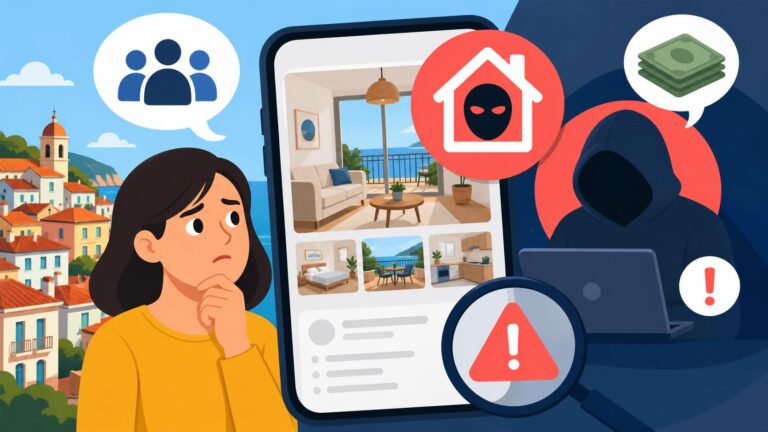
Other popular options include Airbnb for very short stays (a few days to a few weeks), which is great for initial reconnaissance, and platforms like Flatio or Uniplaces. While Uniplaces is often geared towards students, it can sometimes have gems for shorter, flexible stays, especially if you're looking at a university city. The key with these platforms is to filter specifically for "furnished" and "short-term" or "monthly" rentals. Always be vigilant about rental scams in Lisbon and Porto. If a deal looks too good to be true, it probably is. Never transfer money outside the platform's secure payment system, and be wary of requests for personal information beyond what's necessary for booking.
| Platform Type | Best For | Typical Duration | Pros | Cons |
|---|---|---|---|---|
| Spotahome | Mid-term stays (1-11 months), expat/student-friendly | 1-11 months | Verified listings, video tours, utility inclusion often, English support | Can have higher service fees, less negotiation room |
| Airbnb | Very short stays (days-weeks), initial arrival | Days to 2-3 months | Huge selection, reviews, instant booking, good for testing areas | Higher nightly rates, less suited for longer stays, some non-AL listings |
| Uniplaces | Student-focused, some short-term | 1-12 months | Caters to international audience, furnished focus | Limited stock outside student hubs, might require student ID |
| Flatio | Mid-term, digital nomad friendly | 1-12 months | No deposit (often), utility inclusion, focus on equipped homes | Smaller inventory, sometimes less flexibility on dates |
Local Real Estate Agencies Specializing in Short Stays
While many traditional real estate agencies in Portugal focus almost exclusively on long-term leases (1+ years) or property sales, some larger cities do have agencies that cater to the short-term or corporate rental market. These often have a portfolio of well-maintained, fully furnished apartments aimed at business travelers or expats needing a temporary base.
The advantage of using a local agency is the personalized service and their deep knowledge of the local market. They can help you understand nuances, provide legal contracts, and often act as an intermediary if any issues arise during your stay. The downside? You'll likely pay a higher premium for this service, sometimes in the form of agency fees equivalent to a month's rent, plus potentially higher monthly rates than you might find directly from an owner on a platform. However, for peace of mind and less hassle, especially if your Portuguese isn't up to snuff yet, it can be a worthwhile investment. These agencies can also be a good resource if you are looking for long-term rentals later, as they will have properties that aren't Alojamento Local.
Expat Communities and Social Media Groups
Never underestimate the power of the expat community! Facebook groups dedicated to expats in Lisbon, Porto, or specific regions of Portugal are buzzing with activity. You'll often find direct listings from owners looking to rent out their spare apartment or people leaving Portugal who need to break a lease and are looking for someone to take over a short-term rental. This can sometimes lead to finding a great deal, as you're cutting out the middleman.
However, proceed with extreme caution here. This avenue is also a hotbed for scams. Always insist on seeing the property in person (or via a live video call if you're still abroad) and never, ever send money without a signed contract and verification of the landlord's identity. Ask for "proof of ownership" (Certidão Permanente) if you're dealing directly, which a legitimate landlord should be able to provide. While these groups are wonderful for making friends and networking in Portugal, always keep your wits about you when it comes to money and housing. It’s important to understand what "Despesas Incluídas" means in a Portuguese rental advertisement when looking at these listings, as it might not always cover everything you expect.
Key Considerations When Booking
So you've found a few promising places. Great! Now comes the crucial step of evaluating them and making sure you're getting what you need and, more importantly, what you expect. It's easy to get caught up in the excitement, but a little due diligence now can prevent big headaches later.
Budgeting for Short-Term Stays
Let's be realistic: short-term furnished rentals are almost always more expensive than unfurnished long-term leases on a per-month basis. You're paying for the convenience, the flexibility, and the immediate availability. Expect to pay anywhere from 20-50% more than the average long-term rental in the same area. A general cost of living in Portugal 2026 breakdown might give you an idea of overall expenses, but factor in that short-term accommodation will be a larger chunk of your initial budget.
Typically, you'll pay a security deposit, usually one or two months' rent, which is refundable upon your departure, assuming no damages. Also, be mindful of cleaning fees, which can sometimes be quite steep, especially for shorter stays. Utilities (electricity, water, gas, internet) are often included in the monthly price for short-term rentals, but clarify if there's a cap. For example, some landlords might include up to €50-€80 for electricity, and anything over that is your responsibility. Always get this in writing. If you're on a tight budget, negotiate if possible, especially for stays longer than a month or two.
What to Expect in a Furnished Rental
The term "furnished" can be a spectrum, from truly move-in ready with pots, pans, towels, and even a coffee maker, to just a bed, a table, and a few chairs. Before you commit, ask for a detailed inventory or, better yet, a video tour or recent photos of everything that's included. You don't want to arrive only to realize you need to buy every single kitchen utensil or a set of sheets.
In terms of actual living conditions, also manage your expectations regarding Portuguese homes. Many older buildings, while charming, may not have central heating or robust insulation. This can be a shock if you're moving from a colder climate. Be prepared for potentially cooler interiors in winter and warmer ones in summer. You might want to invest in a good dehumidifier to combat mold during the damper months, especially in coastal areas or older buildings, as many guides on heating and insulation in Portuguese homes will attest. On the flip side, most furnished rentals will have at least a portable fan or a small electric heater provided. Don't be shy about asking specific questions about heating/cooling options.
Essential Questions to Ask Before Signing
Before you hand over any money, ensure you've got all your bases covered. Don't be afraid to ask too many questions – it's your money and your peace of mind.
Firstly, confirm exactly what is included in the "furnished" aspect. "Are linens provided? How about kitchen essentials?" Next, clarify the utilities situation. "Are all utilities included, and is there a cap?" If the internet is crucial for your remote work (and let's be honest, it is for most of us these days), ask about the internet speed and provider. Many rentals will have fiber optic, but it's always good to confirm. Asking for the typical speeds can save you a world of frustration. You'll want to ensure you have good home internet and mobile plans when you're settling in.
Beyond the basics, inquire about the cancellation policy, especially if your long-term plans are still fluid. What's the process for getting your security deposit back? Is there a formal inventory check-in/check-out process? And if you have a furry friend, always, always confirm the pet policy in writing before you even think about bringing them along. Portuguese landlords can be quite strict about pets. Lastly, get the exact address and do a quick Google Street View check to ensure the neighborhood meets your expectations.
Arriving and Settling In
The day you finally step into your short-term furnished rental is a big one! But the work isn't entirely over. There are still a few things to keep in mind to ensure a smooth transition and make this temporary space feel like home.
The Check-In Process and What to Verify
When you arrive, take your time with the check-in. This isn't just a formality; it's your chance to document the condition of the property. Take photos or even a video of everything, especially any existing damages, wear and tear, or anything that seems out of place. This includes walls, floors, appliances, and furniture. This visual record is your best friend when it comes to getting your security deposit back at the end of your stay. You don't want to be blamed for a scratch on a table that was already there.
Confirm that all listed appliances are working correctly – turn on the stove, check the fridge, run the shower. Make sure you understand how to operate the water heater, especially if it's a gas-powered one, and how to reset the electricity if it trips (a common occurrence in older Portuguese apartments). Get all the necessary keys, and if possible, a contact number for immediate issues. This careful approach can prevent disagreements when it's time to move out.
Navigating Utilities and Services
Even if your utilities are "included," you still need to be mindful. For electricity, understand if there's a specific time-of-day tariff ("bi-horário" or "tri-horário") which makes off-peak usage cheaper. For shorter stays, you might not have much control, but for longer periods, even small changes in habits can save energy and reduce the chances of exceeding any included cap.
One immediate priority upon arrival should be getting your mobile phone sorted. While your rental might have Wi-Fi, having local data and a Portuguese number is essential for everything from booking Ubers to confirming appointments. Consider getting a Portuguese SIM card at Lisbon Airport or wherever you land. Providers like Vodafone, MEO, and NOS offer various plans, and an eSIM from services like Airalo can be an excellent option for immediate connectivity upon arrival, allowing you to use your phone without needing a physical SIM card right away. This way, you’re connected from the moment you land, which is crucial for navigation, communication, and those inevitable "I'm lost" moments.
Making it Your Own: Personal Touches and Essentials
Even if it's a temporary home, you'll want it to feel comfortable. Once you're settled, you might realize you need a few extras that weren't included, like better pillows, a specific kitchen gadget, or some toiletries. For these, local supermarkets (Continente, Pingo Doce) are great for daily essentials. Larger stores like Worten or Fnac can provide electronics, while home goods stores like Homy or IKEA (found in major cities) are good for small furnishings.
If you're accustomed to online shopping, remember that Amazon Spain often delivers to Portugal, and while it's not as fast as Amazon US or UK, it can be convenient for specific items. Just be aware of potential shipping costs and delivery times. Learning how to receive Amazon packages in Portugal without paying customs fees can be a useful skill. For anything else, explore your local mercearias (small grocery stores) or lojas dos 300 (similar to dollar stores), which are surprisingly well-stocked for those little things that make a place feel like home.
Disclaimer
Please note that the information provided in this guide is for general informational purposes only and does not constitute legal or financial advice. Regulations and market conditions in Portugal can change rapidly. It is always recommended to consult with relevant legal professionals or official government sources for the most up-to-date and specific guidance regarding your individual situation.