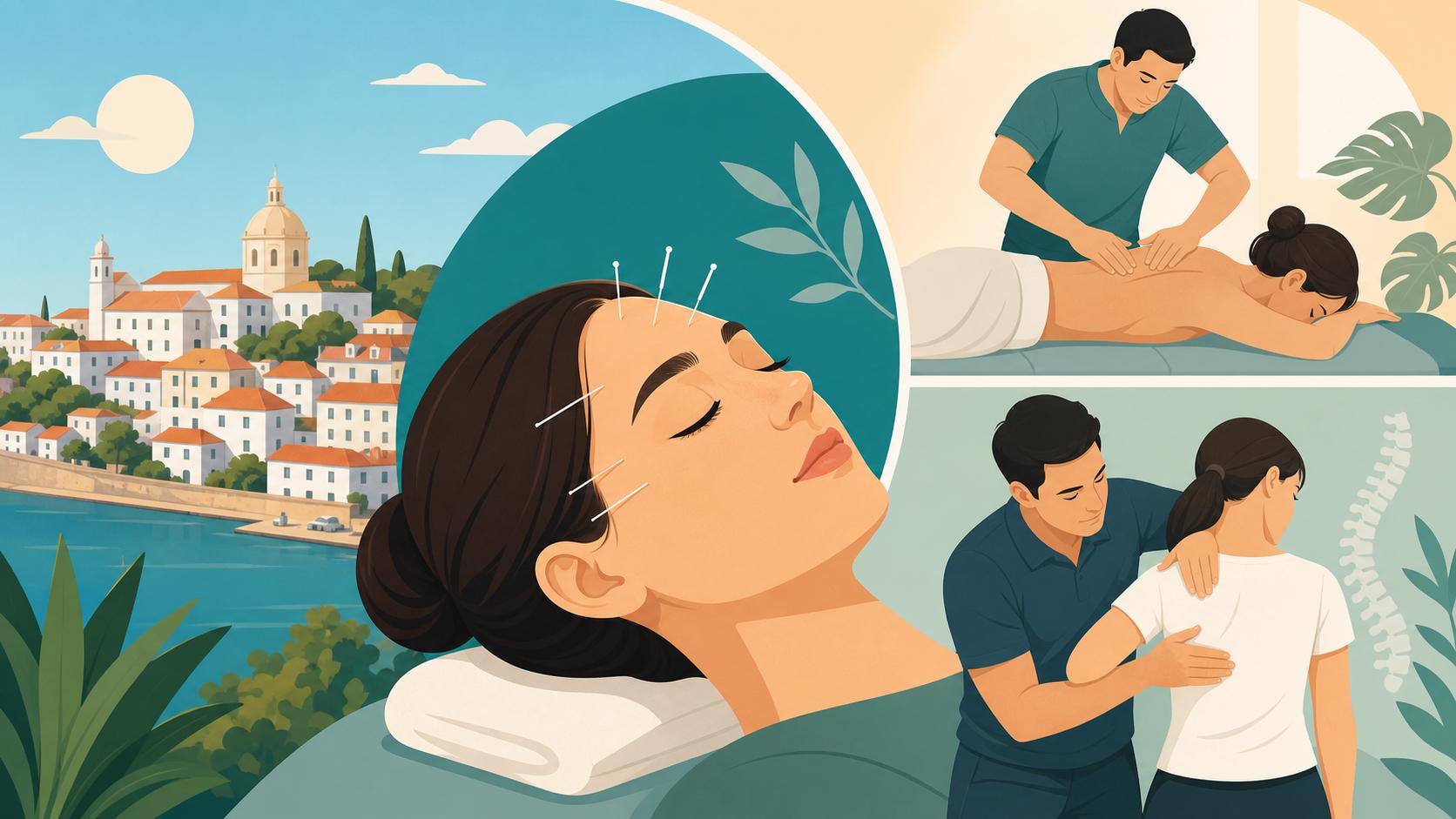
Alternative Medicine: Acupuncture, Osteopathy, and Chiropractic Care in Portugal
Finding yourself in need of a holistic healer while navigating a foreign medical system can feel like trying to read a map in the dark. I remember the sheer frustration of my first month in Lisbon, dealing with a chronic back tweak from lugging suitcases up those beautiful, but brutal, cobblestone hills. This guide meticulously breaks down how to access acupuncture, osteopathy, and chiropractic care in Portugal, ensuring you find licensed, English-speaking professionals without the bureaucratic headache.
Understanding Non-Conventional Therapies (TNC) in Portugal
When you first arrive in Portugal, you might notice that what we often call "alternative medicine" is officially referred to as Terapeutas de Diagnóstico e Terapêutica or, more specifically for the holistic branches, Terapêuticas Não Convencionais (TNC). Portugal is actually quite progressive in this regard, having established a legal framework that regulates these practices to protect patients from "cowboys" or unqualified practitioners. This is a massive relief for those of us used to the Wild West of wellness in other countries.
The Legal Framework and ACSS Licensing
In Portugal, the practice of acupuncture, osteopathy, chiropractic, phytotherapy, naturopathy, and homeopathy is governed by law. Every legitimate practitioner must be licensed by the ACSS (Administração Central do Sistema de Saúde). When you walk into a clinic, you should look for their professional license number. If they don't have one, or if they seem evasive about it, walk away. My back did not thank me.
The licensing process ensures that the practitioner has a recognized degree and adheres to specific safety standards. For expats, this means you can expect a level of professional conduct similar to what you would find in Northern Europe or North America. Most of these professionals operate in private clinics rather than the public system, though there is a slow movement toward integrating some of these therapies into Portugal's National Health Service (SNS): How the Public System Works, particularly for chronic pain management.
Public SNS vs. Private Healthcare Access
It is important to manage your expectations: you will rarely find an acupuncturist or a chiropractor at your local Centro de Saúde. The public system is heavily focused on conventional Western medicine. If you are looking for holistic care, you will almost certainly be looking into the private sector. This is where Private Health Insurance in Portugal: Costs, Coverage, and Best Providers becomes a vital tool in your expat kit.
While the public system is excellent for emergencies, the wait times for specialist referrals can be long. For alternative therapies, the private route offers the luxury of English-speaking staff and appointments that can be booked within the same week. Many expats choose to use a high-quality international plan like Cigna Global to ensure they have the flexibility to see the best specialists in Lisbon, Porto, or the Algarve without worrying about the out-of-pocket sting.
Acupuncture: From Pain Relief to Stress Management
Acupuncture is arguably the most widely accepted "non-conventional" therapy in Portugal. You will find clinics in almost every major town, and the quality of care is exceptionally high. Whether you are dealing with the stress of a D7 Passive Income Visa Portugal: 2026 Requirements and Step-by-Step Process application or physical ailments, acupuncture is a reliable go-to.
Finding a Licensed Acupuncturist
Most licensed acupuncturists in Portugal have undergone four years of specific training. Many are also conventional doctors who have chosen to specialize in Traditional Chinese Medicine (TCM). When searching, use terms like "Medicina Tradicional Chinesa" or "Acupuntura." In cities like Lisbon and Porto, you will find several integrated clinics that offer a mix of Western and Eastern approaches.
I personally found my favorite acupuncturist through a recommendation at a local health food store. Word of mouth is still king in Portugal. However, if you prefer a more digital approach, checking the Finding Doctors and Specialists in Portugal: English-Speaking Medical Care guide can help you identify clinics that specifically cater to the international community. Don't be afraid to ask if they use disposable needles (they should) and if they are registered with the ACSS.
Costs and What to Expect During a Session
A typical acupuncture session in a private clinic will cost anywhere from €40 to €70. Initial consultations are usually more expensive as they involve a full health history intake. The practitioner will likely look at your tongue and check your pulse—standard TCM procedures—before beginning the treatment.
Many clinics also offer complementary treatments like cupping (ventosaterapia) or moxibustion. If you are someone who prefers a more natural approach to your health, you might also find yourself visiting Pharmacies and Medication in Portugal: Prescriptions and OTC Drugs afterward to pick up prescribed herbal supplements, though many TCM practitioners will provide these directly.
Osteopathy in Portugal: The Expats' Secret Weapon
If there is one therapy that Portuguese people and expats alike swear by, it is osteopathy. In many countries, osteopaths are either seen as "light" chiropractors or, in the US, as fully licensed medical doctors (DOs). In Portugal, they occupy a unique middle ground. They are highly trained musculoskeletal specialists who focus on the body's overall structural integrity.
Why Osteopathy is Extremely Popular Among Expats
The "Portuguese lifestyle" often involves a lot of walking on uneven surfaces. While this is great for your cardio, it can be hell on your ankles, knees, and lower back. Osteopathy is frequently used here for sports injuries, pregnancy-related pain, and postural issues caused by desk work. I’ve found that Portuguese osteopaths tend to be very "hands-on," using a combination of stretching, massage, and gentle manipulation.
It is also very common for osteopaths to work alongside other specialists. You might find them in the same building as Physical Therapy and Rehabilitation Services for Expats in Portugal. This collaborative approach is fantastic because it means your treatment plan is holistic rather than fragmented. If an osteopath feels your issue is neurological, they won't hesitate to refer you to a specialist at Hospital da Luz and CUF: Navigating Portugal's Biggest Private Hospitals.
Integration with Conventional Care
One of the best things about the Portuguese private medical system is how integrated it has become. If you are seeing an osteopath for a chronic issue, they can often write a report that your GP can use to authorize further diagnostic tests like MRIs or X-rays. This is a level of professional respect that isn't always present in other countries.
For those of us managing chronic conditions, this integration is a lifesaver. It ensures that your Preventive Care: Annual Checkups, Blood Tests, and Cancer Screenings are informed by the structural insights your osteopath provides. Just remember to keep all your receipts, as Navigating Medical Billing and Insurance Reimbursements in Portugal can be a bit of a paperwork dance if you are looking to get your money back from your insurer.
Chiropractic Care: Aligning Your Life in Portugal
Chiropractic care is slightly less common in Portugal than osteopathy, but it is growing rapidly, especially in expat-heavy areas like Cascais, Lagos, and the Parque das Nações in Lisbon. If you are used to the "crack" and high-velocity adjustments typical of North American chiropractic care, this is what you’ll be looking for.
The Rarity of "Chiropractors" vs. "Osteopaths"
In the past, there was a lot of confusion in Portugal between these two disciplines. However, the 2003 TNC law helped clarify the distinctions. Chiropractors in Portugal (Quiropráticos) must have a degree from an accredited institution, and because there are fewer chiropractic colleges in Portugal compared to other European countries, many practitioners are expats themselves or Portuguese nationals who studied in the UK, USA, or Spain.
This is a benefit for us because it means the level of English is usually near-fluent. If you have a complex spinal history, being able to explain the nuances of your condition in your native language is invaluable. When booking, ask if they use the "Activator" method or traditional manual adjustments, as styles can vary significantly between clinics.
Professional Organizations and Standards
The Portuguese Chiropractors’ Association (Associação Portuguesa de Quiropráticos) is the main body overseeing the profession. Choosing a member of this association ensures that your practitioner meets international standards of education.
| Feature | Acupuncture | Osteopathy | Chiropractic |
|---|---|---|---|
| Primary Focus | Energy flow (Qi) and meridians | Musculoskeletal structure and mobility | Spinal alignment and nervous system |
| Typical Cost | €40 – €70 | €45 – €75 | €50 – €80 |
| Availability | Very High (all cities) | High (widespread) | Medium (mostly in cities/coastal areas) |
| SNS Integration | Very limited | Some referrals | Very rare |
| Insurance Coverage | Common in premium plans | Often covered as "Specialty" | Depends on provider (e.g., Cigna Global) |
Insurance, Costs, and Logistics
Navigating the financial side of alternative medicine in Portugal requires a little bit of strategy. Unlike a standard GP visit, which might have a small fixed co-payment, holistic therapies often operate on a "pay and reclaim" basis.
Does Private Health Insurance Cover Alternative Medicine?
This is the million-euro question. The answer is: it depends on your "module." Basic Portuguese insurance plans often exclude TNCs entirely. However, if you have a more robust plan, or an international policy like Cigna Global, you will often find a "Complementary Medicine" or "Outpatient" benefit.
Before booking your first session, call your insurance provider and ask three specific questions:
- Is a referral from a GP required to see an acupuncturist/osteopath?
- Is there a cap on the number of sessions per year?
- Does the practitioner need to be part of your specific provider network, or can you see any licensed ACSS professional?
Often, international plans are more flexible, allowing you to choose the best practitioner regardless of their network status. If you are in the process of moving, it’s worth noting that Health Insurance Requirements for the D7 and D8 Visa Application usually specify a minimum level of coverage that may or may not include these therapies, so check the fine print if holistic care is a priority for you.
Practical Tips for Booking and Payments
In Portugal, many smaller clinics still prefer cash or "Multibanco" (the local debit card system). If you are using a foreign credit card, always ask beforehand if they accept it. I’ve had many awkward moments standing at a reception desk in a beautiful clinic in the Algarve, only to realize they didn't take Visa or Mastercard.
Always ask for a "Fatura com NIF." Even if your insurance doesn't cover the treatment, you can often deduct a portion of these health expenses from your annual taxes. For more on this, see our guide on Deducting Expenses on IRS: e-Fatura, Supermarkets, Rent, and Healthcare. Every little bit helps when you're balancing an expat budget.
Holistic Wellness: Complementing Your Care
Alternative medicine doesn't end at the clinic door. Portugal has a rich tradition of herbalism and natural wellness. You will see "Ervanárias" (herbalist shops) on many street corners, often looking like they haven't changed since the 1950s.
Sourcing Natural Products and Supplements
While Ervanárias are charming, they might not always carry the specific international brands you are used to. Many expats in Portugal rely on online retailers like iHerb to get their specific vitamins, probiotics, or supplements that are harder to find locally. I find this particularly useful for things like high-quality Magnesium or specific Ayurvedic herbs that haven't quite hit the mainstream Portuguese market yet.
Using iHerb in Portugal is generally straightforward, but you should be aware of customs rules. Keeping your orders under a certain value or ensuring they ship from within the EU (which they often do now) helps avoid the dreaded "held at customs" notification from CTT (the Portuguese post office). For more on managing your daily needs, our guide on Daily Life in Portugal: Supermarkets, Language, and Cultural Etiquette has some great tips on navigating local shops.
The Role of Diet and Lifestyle
The Portuguese diet is naturally quite "anti-inflammatory"—think fresh grilled fish, abundant olive oil, and plenty of seasonal greens. Most alternative practitioners here will emphasize the importance of "comida real" (real food) alongside your treatments. If you are struggling with the transition, don't hesitate to ask your naturopath or osteopath for local food recommendations. They often know the best organic markets (Mercados Biológicos) in your neighborhood.
If you are a digital nomad living the high-pressure life, supplementing your physical treatments with mental health support is also a wise move. Check out Mental Health in Portugal: Finding Therapists and Psychiatrists for Expats to find English-speaking professionals who can help you manage the emotional side of relocation while your acupuncturist handles the physical stress.
Choosing the Right Path for Your Health
Ultimately, the choice between acupuncture, osteopathy, and chiropractic care depends on your specific needs and how your body responds. Many expats, myself included, use a "rotation" system. I see my osteopath once a quarter for a structural "tune-up," and I visit an acupuncturist whenever the stress of Portuguese bureaucracy starts to manifest as tension headaches.
When you find a practitioner you trust, hold onto them. The healthcare community in Portugal is tight-knit, and a good recommendation from a trusted osteopath can open doors to other excellent specialists, from Dental Care in Portugal: Costs, Clinics, and Private Insurance Add-ons to top-tier dermatologists.
Don't be discouraged by the initial search. Portugal offers some of the most compassionate and skilled holistic care in Europe. By ensuring your practitioner is ACSS-licensed and leveraging a strong insurance plan like Cigna Global, you can build a wellness routine that makes your life in this beautiful country as pain-free and vibrant as possible. Whether you are browsing for supplements on iHerb or lying on a treatment table in a sun-drenched Lisbon clinic, you are taking the right steps to make Portugal truly feel like home.
Disclaimer
This article is for informational purposes only and does not constitute medical advice. Always consult with a qualified healthcare professional before starting any new treatment or therapy. The names of clinics and practitioners mentioned are for illustrative purposes and do not imply an endorsement. Ensure any practitioner you visit is properly licensed by the Portuguese health authorities (ACSS).