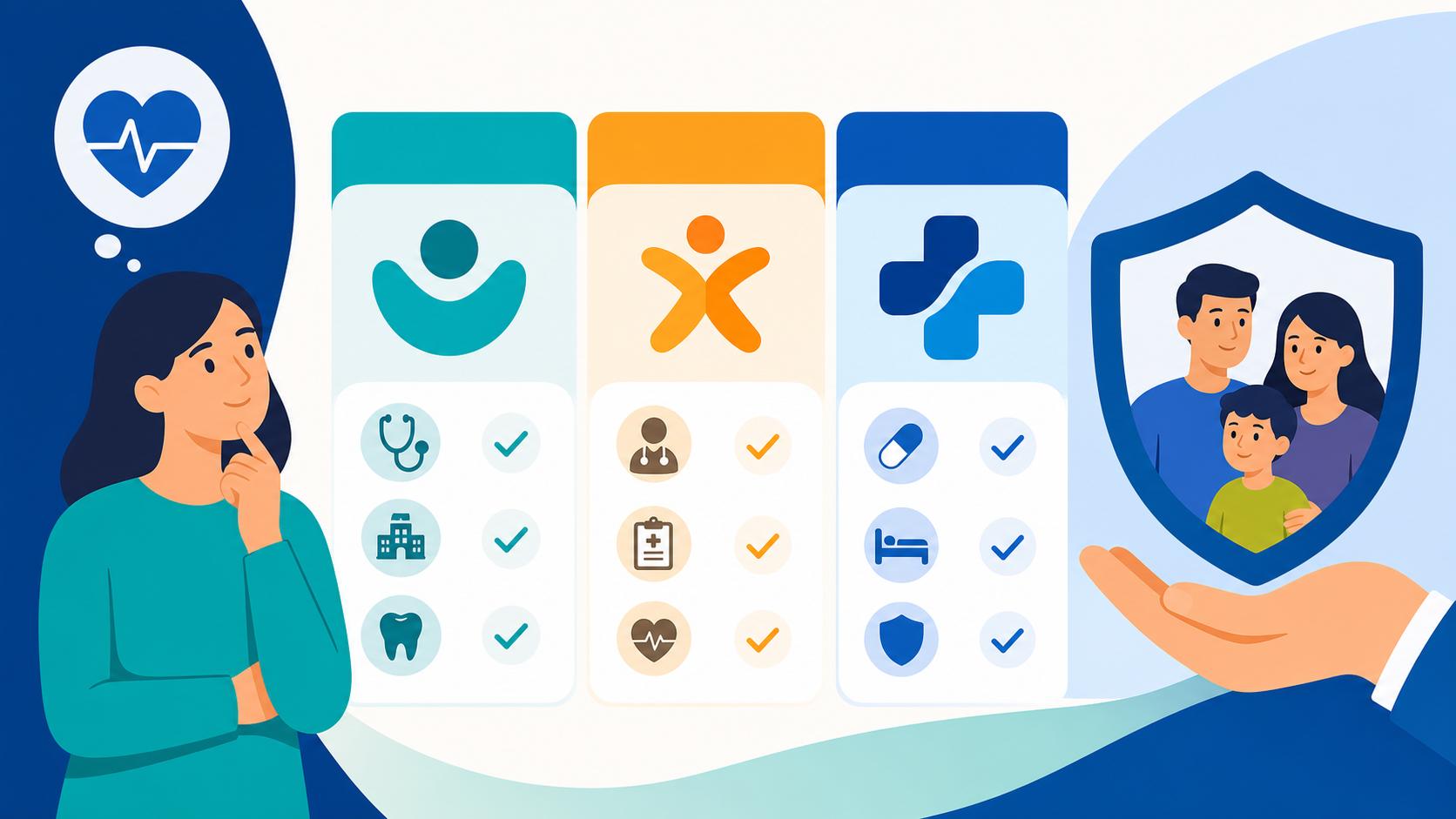
Médis, Multicare, and AdvanceCare: Comparing Top Private Insurers
Trying to book a specialist in the public system only to find a six-month wait is the ultimate rite of passage for newcomers in Portugal. I spent my first year here stuck in that exact administrative limbo, clutching a paper referral that felt more like a souvenir than a medical document, before realizing that private insurance isn't just a luxury—it's an essential tool for sanity. This guide meticulously compares Médis, Multicare, and AdvanceCare to help you navigate the complex world of private healthcare.
The Portuguese Health Paradox: Balancing Public and Private Systems
Portugal offers a high standard of medical care, but the way you access it can feel like two entirely different worlds. On one hand, you have the Serviço Nacional de Saúde (SNS), which is remarkably affordable but currently struggling with massive backlogs. On the other, the private sector offers speed and comfort but comes with a confusing array of insurance providers and "redes" (networks) that can baffle even the most organized expat.
Why the SNS is Both Great and Frustrating
The SNS is the backbone of the country's health infrastructure. If you have a serious emergency or a complex chronic condition, the public system is often the best place to be. However, the day-to-day reality for many expats involves the Portugal's National Health Service (SNS): How the Public System Works and the realization that getting a "Médico de Família" (Family Doctor) can take years. Without that primary care gateway, getting a referral for a simple dermatologist or cardiologist appointment in the public sector becomes a Herculean task.
When I first arrived, I assumed my residency permit would grant me immediate, seamless access to a family doctor. Instead, I found myself in a queue at 7:00 AM at my local Centro de Saúde just to secure one of the few daily "walk-in" slots. This friction is exactly why most foreigners—and an increasing number of locals—opt for private coverage. Understanding Public vs Private Healthcare in Portugal: Which One Should Expats Choose? is the first step in building your life here.
The Private Safety Net as a Primary Solution
The private healthcare sector in Portugal is dominated by a few massive hospital groups like CUF, Luz, and Lusíadas. These facilities look and feel like five-star hotels compared to the older public hospitals. When you hold a private insurance policy from Médis, Multicare, or a plan managed by AdvanceCare, you aren't just paying for a cleaner room; you are paying for the ability to book a specialist online and see them within the week.
For many of us, the private system serves as the primary point of contact for everything from annual checkups to physical therapy. It removes the "gatekeeper" requirement of the public system, allowing you to go directly to the specialist you need. However, before you sign a contract, it is vital to read a Healthcare in Portugal for Expats: The Complete 2026 Medical Guide to ensure you understand how these private tiers interact with your legal residency status and your specific health needs.
Médis: The Modern Tech-Forward Choice
Médis is often the go-to recommendation for younger expats and digital nomads because of its sleek interface and digital-first approach. Owned by the Ageas group, it has built a reputation for having the most intuitive app in the Portuguese market. For those who want to manage their health from their smartphone without having to navigate a clunky Portuguese-only website, Médis is hard to beat.
Tiers and Pricing Structure
Médis offers several levels of coverage, typically ranging from "Option 1" (basic) to "Option 3" or "Vintage" (comprehensive). The basic tiers focus heavily on hospitalization and major surgeries, with limited outpatient coverage. If you are relatively healthy and just want a safety net for emergencies, the lower tiers are incredibly affordable, often costing less than €30-€40 per month for a single adult.
However, if you want "consultas" (doctor visits) and "exames" (diagnostic tests) to be covered with a low co-payment, you’ll need to look at their mid-to-high level plans. In these tiers, a visit to a specialist at a top-tier hospital might only cost you €15 or €17 out of pocket, with the insurer picking up the rest of the bill directly. This is a significant advantage over the Navigating Medical Billing and Insurance Reimbursements in Portugal process often found in other countries, where you have to pay upfront and wait weeks for a check.
The Digital Ecosystem and Telemedicine
Where Médis truly shines is in its "Médis Online" features. They were one of the first in Portugal to offer robust Telehealth and Online Doctors: Using TravelDoctores and Doctorsa integrations. Through the app, you can have a video consultation with a general practitioner usually within 30 minutes. This is a lifesaver when you have a minor ailment or need a quick prescription renewal and don't want to drive to a clinic.
The app also handles your digital "Cartão Médis," which you simply show at the reception of clinics like Joaquim Chaves or Hospital da Luz and CUF: Navigating Portugal's Biggest Private Hospitals. It tracks your remaining balances for the year—such as your dental allowance or your outpatient limit—in real-time. This transparency is a breath of fresh air in a country where administrative processes can sometimes feel like a "black box."
Multicare: The Comprehensive Market Leader
If Médis is the tech-savvy newcomer, Multicare is the established heavyweight. Owned by Fidelidade, the largest insurance company in Portugal, Multicare boasts the widest network of healthcare providers in the country. If you live outside of Lisbon or Porto—perhaps in a smaller town in the Alentejo or the Silver Coast—Multicare is often the better choice simply because more local doctors are likely to be in their network.
Network Dominance and Hospital Partnerships
The sheer scale of the Multicare network is its greatest selling point. They have deep-seated partnerships with almost every major private clinical group. This means that whether you are visiting a small independent clinic in the Algarve or a massive facility like CUF Tejo in Lisbon, your Multicare card is likely accepted. For families, this peace of mind is invaluable.
Multicare also tends to be very strong in Women’s Health and Maternity Care in Portugal: Pregnancy and Birth. Their higher-end plans often have shorter waiting periods for childbirth and more generous allowances for private birthing suites. When my neighbor was pregnant, she switched to a Multicare premium plan specifically because it offered better coverage at the private Maternidade in Porto than her previous employer-provided plan.
Added Value: Wellness and Prevention
Multicare has made a significant push into "wellness" over the last few years. They offer a program called "Multicare Vitality," which rewards you with discounts and vouchers (often for stores like Amazon or local supermarkets) for hitting fitness goals like daily step counts. It is a smart way to lower your overall cost of living while staying healthy.
Furthermore, their preventive care coverage is quite robust. Many of their plans include an annual "Check-up" that is entirely free at specific partner laboratories. This usually includes a full panel of Blood tests (Análises Clínicas) in Portugal: Joaquim Chaves and Germano de Sousa and a consultation with a general practitioner. For expats, having this scheduled and covered removes the mental hurdle of navigating a new healthcare system for routine maintenance.
AdvanceCare: The Flexible Network Manager
It is a common misconception that AdvanceCare is an insurance company itself. In reality, AdvanceCare is a healthcare "manager." They provide the network, the medical vetting, and the claims processing for a variety of different insurance brands, including MGEN, Tranquilidade, Generali, and various bank-led insurances like those from Santander or Novo Banco.
Managing Multiple Insurers
When you have a policy that says "Managed by AdvanceCare," you are tapping into one of the most efficient medical networks in Southern Europe. The benefit here is variety. Because they manage so many different brands, you can find a policy that fits almost any niche. For example, MGEN (managed by AdvanceCare) is famous among the expat community because it is a mutualist insurer that often does not have age limits for joining and is more lenient regarding pre-existing conditions.
This flexibility is crucial because Private Health Insurance in Portugal: Costs, Coverage, and Best Providers vary wildly in how they treat older applicants. While Médis and Multicare might significantly hike premiums or deny coverage to those over 65, certain AdvanceCare-managed plans are designed specifically to be more inclusive, making them a top choice for retirees.
The User Experience and Portability
Using an AdvanceCare card is very similar to using Médis or Multicare. You log into their portal to find a doctor, book your appointment, and pay the discounted "network rate" at the desk. One unique advantage I've found is that their search tool is exceptionally good at filtering for Finding Doctors and Specialists in Portugal: English-Speaking Medical Care. Since they aggregate data from so many different insurers, their database of providers is massive.
If you are a freelancer or business owner in Portugal, you might find that the best "group rates" for your team come through an AdvanceCare-managed policy. They are highly experienced in corporate health and offer some of the most competitive rates for small-to-medium enterprises (PMEs).
Comparing the "Fine Print": What Actually Matters for Expats
Choosing between these three isn't just about the monthly premium. You need to look at the "Condições Particulares" (Specific Conditions) of your contract. This is where many expats get caught off guard, assuming that "private insurance" covers everything immediately.
Waiting Periods and Exclusions
Every Portuguese insurer uses "Períodos de Carência" (waiting periods). Typically, you cannot use the insurance for non-emergency surgeries for the first 6 to 12 months. For basic consultations, the wait is usually 60 to 90 days. If you arrive in Portugal with an immediate need for a specialist, you will likely be paying the "full" private price (which is still cheaper than the US, usually €70-€100) until your Waiting periods (Períodos de Carência) in Portuguese health insurance policies have expired.
| Feature | Médis | Multicare | AdvanceCare (Typical) |
|---|---|---|---|
| Best For | Tech-savvy users / Nomads | Families / National Coverage | Retirees / Niche Needs |
| App Experience | Excellent / Bilingual | Very Good | Depends on the specific insurer |
| Network Size | Large (Mainly Cities) | Largest (National) | Large & Diverse |
| Maternity | Good Tiers | Strongest Coverage | Excellent (via MGEN) |
| Wellness Rewards | Limited | Extensive (Vitality) | Varies |
Pre-existing Conditions and Age Limits
This is the "pain point" of the Portuguese system. Most standard policies from Médis and Multicare will explicitly exclude Does private health insurance in Portugal cover pre-existing conditions?. If you have a chronic illness, they will either "exclude" that specific organ or condition from coverage or "load" your premium (charge you significantly more).
For those with complex medical histories, a policy like Cigna Global might be a better fit, even though it is more expensive, as they are often more accustomed to international underwriting for expats. However, for most healthy expats, a local plan is sufficient for 90% of their needs. If you find yourself needing specific supplements or wellness products not covered by your plan, many expats use iHerb to ship high-quality vitamins and health goods directly to Portugal, often bypassing the higher prices in local "Celeiro" health shops.
Practical Considerations for New Arrivals
Once you’ve chosen a provider, the real work begins: actually using the system. The transition from your home country’s medical culture to Portugal’s can be jarring. Here, doctors often work in both the public and private sectors, meaning your surgeon at a posh private hospital might be the same person doing emergency rounds at the local public hospital the next day.
Finding English-Speaking Providers
While most young doctors in Portugal speak excellent English, the administrative staff and older specialists might not. When searching your insurance portal (Médis, Multicare, or AdvanceCare), look for the "Idiomas" filter. If it’s not there, a quick tip I’ve learned is to check the doctor's CV on the hospital website. If they did a fellowship in the UK or the US, they are a safe bet.
If you are ever in a situation where your local insurer is being difficult or you are traveling frequently between Portugal and your home country, having an international plan like Cigna Global provides an extra layer of security. It ensures that your medical records and coverage follow you, which is something local insurers like Multicare generally do not offer outside of emergency travel coverage.
Pharmacy Benefits and Prescriptions
All three of these providers offer pharmacy discounts. When you go to a "Farmácia" to pick up medication, hand over your insurance card along with your prescription. You might be surprised to find that even for Pharmacies and Medication in Portugal: Prescriptions and OTC Drugs, your insurance can shave off a few euros.
For routine items like specialized sunscreens (a must in the Portuguese sun) or high-end probiotics, I frequently compare the local pharmacy prices with iHerb. Even with shipping, the bulk prices on international sites can be lower than the local "preço de tabela" in Portuguese pharmacies. Just be sure to keep your receipts if your insurance plan allows for "reimbursement" of pharmacy costs—though this is usually reserved for the most premium tiers.
Conclusion: Which One Should You Choose?
There is no "perfect" insurer, only the one that fits your current life stage in Portugal. If you are a digital nomad living in a Lisbon apartment and value a smooth app experience, Médis is your best friend. If you have moved your entire family to a villa in the Algarve and want the widest possible safety net, Multicare is the clear winner. If you are a retiree or someone with a more complex health profile, exploring the various plans managed by AdvanceCare (specifically MGEN) is the most prudent path.
Remember that Using Cigna Global or Allianz for international expat healthcare in Portugal remains a valid alternative for those who find the local bureaucracy too limiting or the age caps too restrictive. Whichever path you choose, getting your private coverage sorted should be one of your first priorities upon arrival—right after getting your NIF and your first "bica" at the local cafe. It is the only way to ensure that a minor health hiccup doesn't turn into a major administrative headache in your new Portuguese life.
Disclaimer
The information provided in this guide is for informational purposes only and does not constitute professional medical or financial advice. Healthcare laws, insurance policy terms, and provider networks in Portugal are subject to frequent changes. Always consult directly with a certified insurance broker or the insurance provider's official documentation before signing any contract. Prices and coverage tiers mentioned are based on 2026 estimates and may vary based on individual circumstances and location.