Postpartum care in Portugal: Home visits from public health nurses
Navigating those first hazy days after leaving a Portuguese maternity ward can feel like a blur of exhaustion, joy, and the daunting realization that you are now responsible for a tiny human in a foreign country. I remember sitting in my apartment in Porto, staring at my discharge papers and wondering how I’d manage the logistics of newborn care while still healing. This guide breaks down exactly how home visits from public health nurses work in Portugal to ensure you and your baby are supported during those critical first weeks.
Understanding the Role of the Enfermeira de Família in Postpartum Care
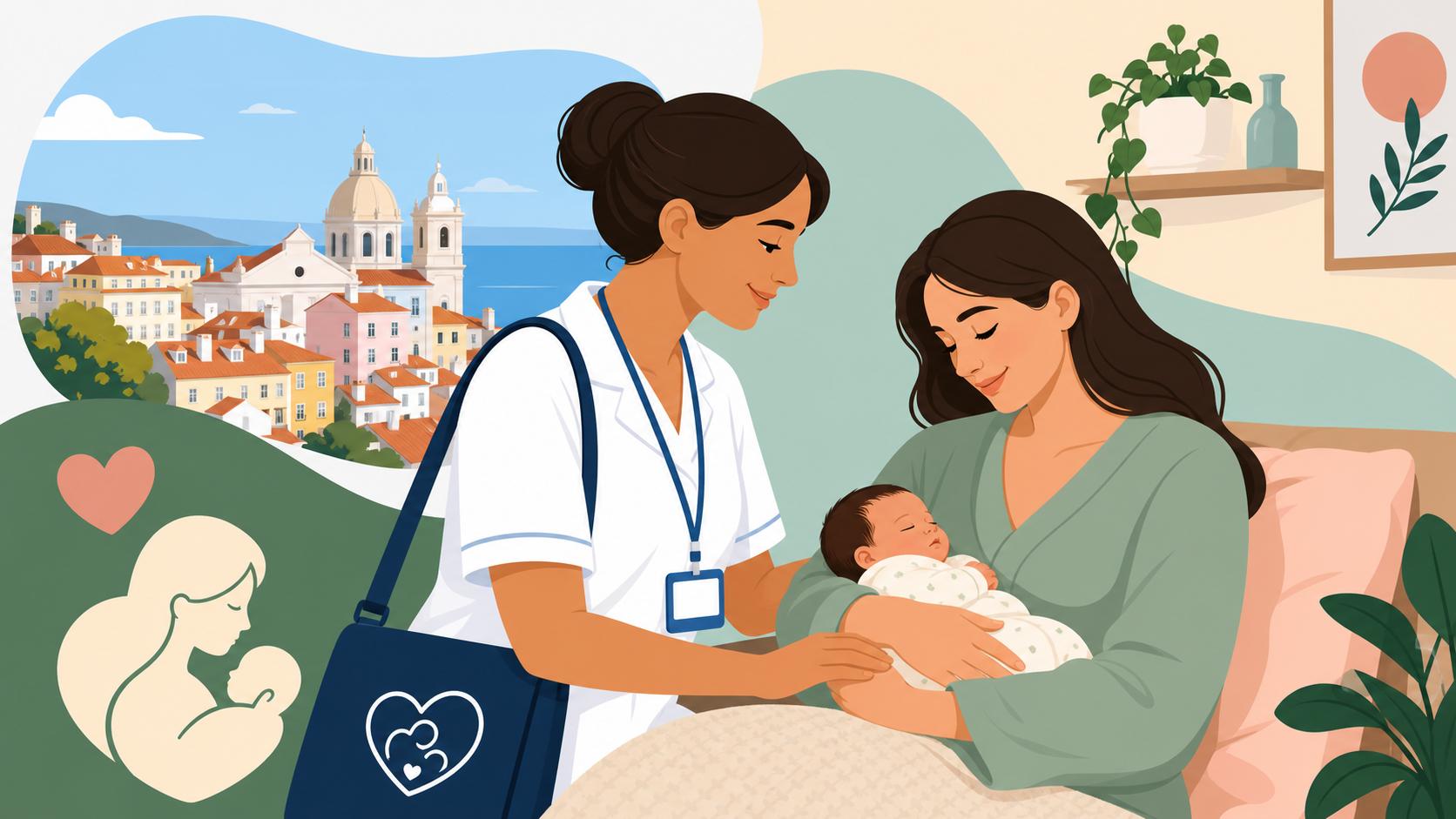
In the Portuguese public health system, the Enfermeira de Família (Family Nurse) is your primary point of contact once you leave the hospital. Unlike some countries where postpartum care is strictly clinical and office-based, Portugal’s Serviço Nacional de Saúde (SNS) emphasizes the importance of the home environment. These nurses are specialized in maternal and child health, and their goal is to bridge the gap between the highly controlled hospital setting and your daily life at home. They aren't just there to check the baby’s weight; they are there to assess how the entire family unit is adapting to the new arrival.
The Transition from Hospital to Home
The process begins the moment you are discharged. Whether you followed the path of Giving Birth in Portugal: Public SNS Hospitals vs Private Clinics, the hospital will provide you with a discharge summary (nota de alta). If you gave birth in a public hospital, your data is usually transmitted electronically to your local Centro de Saúde. However, it is wise to be proactive. It is worth noting that digital systems can occasionally lag, and the first few days are too important to leave to chance. You should ensure you are already Registering with the Centro de Saúde: Getting Your SNS Número de Utente well before your due date to make this transition seamless.
When you arrive home, the nurse assigned to your Unidade de Saúde Familiar (USF) is notified of the birth. In many regions, the first home visit is part of the "Child and Youth Health" program. This visit is designed to happen within the first 72 to 96 hours after discharge, especially for first-time mothers or those who had complications. This immediate follow-up is vital for monitoring jaundice levels and ensuring that the mother’s physical recovery is on track.
How the Visita Domiciliária is Scheduled
Scheduling can vary depending on your specific municipality. In smaller towns, you might get a direct phone call from the nurse to coordinate a time. In busier hubs like Lisbon or Cascais, you may need to call the administrative desk of your health center the morning after you return home to confirm they have received your discharge papers. If you find yourself in a situation where the center is unresponsive, using the SNS 24 Helpline (808 24 24 24): Triage, Advice, and Sick Notes can help you get the contact information for the maternal health coordinator in your area.
During my own experience, I found that having a local phone number was essential. The nurses often call from mobile units, and they appreciate it if you can provide clear directions to your home—Portuguese addresses can sometimes be tricky for GPS. Once the visit is scheduled, it usually lasts between 45 to 90 minutes, providing ample time for a thorough assessment without the rushed feeling of a standard clinic appointment.
What to Expect During a Postpartum Home Visit
When the nurse arrives, they will likely ask to set up in a well-lit area where they can safely examine the baby. This is a very informal yet professional interaction. You don’t need to have a "perfect" house; in fact, the nurse is trained to see the reality of your living situation to offer practical advice. They will bring basic medical equipment, including a portable scale and a thermometer, but they will also rely heavily on observing the baby’s behavior and your interaction with the infant.
Checking the Babys Health and Development
The primary focus for the newborn is the physical exam. The nurse will check the umbilical cord stump for signs of infection and offer tips on how to keep it dry using the standard Portuguese protocol (usually just keeping it clean and outside the diaper). They will also perform a weight check. It is normal for babies to lose a small percentage of their birth weight in the first few days, and the nurse will help you determine if the baby is regaining that weight appropriately.
Breastfeeding support is a major component of these visits. Many expats struggle with the specific terminology of breastfeeding in Portuguese (amamentação), but nurses are generally very patient and will observe a feeding session to ensure the latch is correct. If you are using formula, they will discuss sterilization and proper preparation. They will also update the baby's "Boletim de Saúde Infantil e Juvenil" (the yellow health book), which is essential for Pediatric Care in Portugal: Vaccinations and Child Health Checks. This book will be your baby's most important document for years to come.
Maternal Recovery and Mental Health Screenings
One aspect of the Portuguese system I truly appreciate is the focus on the mother. The nurse will check your physical recovery, whether you had a vaginal birth or a C-section. They will look at stitches, assess uterine involution, and discuss any pain management needs. If you have international coverage through a provider like Cigna Global, you might also have the option to supplement these visits with private midwives, but the public nurse’s assessment is the official record for the SNS.
Mental health is also a priority. The nurse will ask questions designed to screen for postpartum depression or anxiety. It is important to be honest here. Foreigners often feel an added layer of pressure to "have it all together" while living abroad, but the isolation of being an expat can increase the risk of the "baby blues" turning into something more serious. If the nurse identifies a need for more support, they can refer you to specialists, which is why Mental Health in Portugal: Finding Therapists and Psychiatrists for Expats is a resource you should have on hand.
Navigating the SNS Portal and Appointment Management
Once the initial home visits are complete, your care will transition back to the Centro de Saúde. However, the relationship you build with the home visit nurse often sets the tone for your future interactions with the public system. Understanding how to manage these follow-ups digitally is a life-saver for busy new parents.
Registering for Child Health Services
Your baby needs their own Número de Utente as soon as possible. While the nurse can assist during the home visit, the official registration usually requires a trip to the local health center with the baby’s birth certificate or the Cédula Pessoal. Once registered, you can use the "SNS Portal do Utente" to track upcoming appointments. This is also where you will see the schedule for the first few months of Women’s Health and Maternity Care in Portugal: Pregnancy and Birth follow-ups, including your own six-week postpartum check-up.
If you are employed in Portugal, the nurse can also provide documentation necessary for your employer regarding Maternity Leave (Licença de Maternidade) and Medical Benefits in Portugal. They can explain how to claim the Subsídio de Parentalidade and ensure that your absence from work is legally covered from a medical standpoint.
What Happens if You Dont Have a Family Doctor
A common frustration for many expats is the lack of an assigned Finding an English-Speaking General Practitioner (Médico de Família). Even if you don't have a dedicated doctor, you are still entitled to postpartum home visits and newborn care. In these cases, you will be seen by the "Enfermeira de Família" and the "Médico de Recurso" (the doctor on duty for that day). The care is the same, but you may see different faces at each clinic visit. The home visit nurse acts as your advocate within this system, ensuring that your baby’s records are maintained even without a permanent doctor assigned to your file.
| Feature | Public SNS Home Visit | Private Midwife/Nurse Visit |
|---|---|---|
| Cost | Free (covered by Social Security) | €50 – €120 per visit |
| Scheduling | Triggered by hospital discharge | Booked by the parents |
| Official Records | Updates the Yellow Health Book | May provide a separate report |
| Language | Primarily Portuguese | English/Multilingual common |
| Focus | Clinical & Public Health standards | Personalized & Holistic care |
Maximizing Support and Wellness Postpartum
While the public health system provides the clinical foundation for your recovery, many expats find that they need additional resources to feel fully supported. This is especially true when it comes to nutrition and specialized supplies that might not be readily available in smaller Portuguese pharmacies (farmácias).
For supplements like high-quality prenatal vitamins, postnatal fish oils, or specific breastfeeding teas that can be hard to find in local shops, many of my expat friends use iHerb. It is a reliable way to get international brands delivered to your door in Portugal, though you should always check the customs limits. I personally found that having a steady supply of magnesium and probiotics from iHerb made those first sleep-deprived weeks much more manageable.
Additionally, if you are looking for a more "concierge" experience, you might check if your private insurance, such as Cigna Global, covers "Nursing at Home" or "Postpartum Coaching." While the SNS nurses are excellent, they are often stretched thin. Having a private option through Cigna Global allows you to schedule additional visits if you are struggling with specific issues like mastitis or infant sleep training, providing that extra layer of "expat insurance" that can make all the difference.
Practical Tips for the Day of the Visit
To make the most of your time with the nurse, I suggest having a list of questions written down. It is very easy to forget everything you wanted to ask once the baby starts crying or the doorbell rings. Keep your "Boletim de Saúde" and any hospital discharge papers in a dedicated folder. Also, have a clean diaper and a change of clothes ready for the baby, as the nurse will likely want to see the baby undressed for the skin and weight check.
If your Portuguese is still a work in progress, don't be afraid to use a translation app or ask a friend to be on standby via a phone call. Most maternal health nurses in the larger cities speak at least a little English, but having a backup plan will reduce your stress levels significantly. Remember, the goal is clear communication for the health of you and your child.
Disclaimer
The information provided in this guide is for educational and informational purposes only and does not constitute professional medical advice. Always seek the advice of your physician, family nurse, or other qualified health provider with any questions you may have regarding a medical condition or the health of your newborn. The healthcare landscape in Portugal, including AIMA and SNS protocols, is subject to change, and you should verify specific local procedures with your nearest health center.