How to Attend a Music Festival in Portugal
Disclosure: This article contains affiliate links. If you buy through them, we may earn a commission at no extra cost to you. Read our full disclosure.
Planning to dive headfirst into Portugal's legendary music festival scene can feel a bit like navigating a treasure map written in a foreign language—exciting, yes, but also utterly overwhelming if you don't know where to start. From deciphering ticket vendors to figuring out how on earth you'll get from Lisbon to a field in the Alentejo, the logistics can sometimes steal the sparkle from the anticipation. This guide is here to cut through the noise, offering you a veteran expat's playbook to experiencing the magic of Portuguese music festivals without the usual headaches.
Choosing Your Vibe: Portugal's Diverse Music Festival Scene
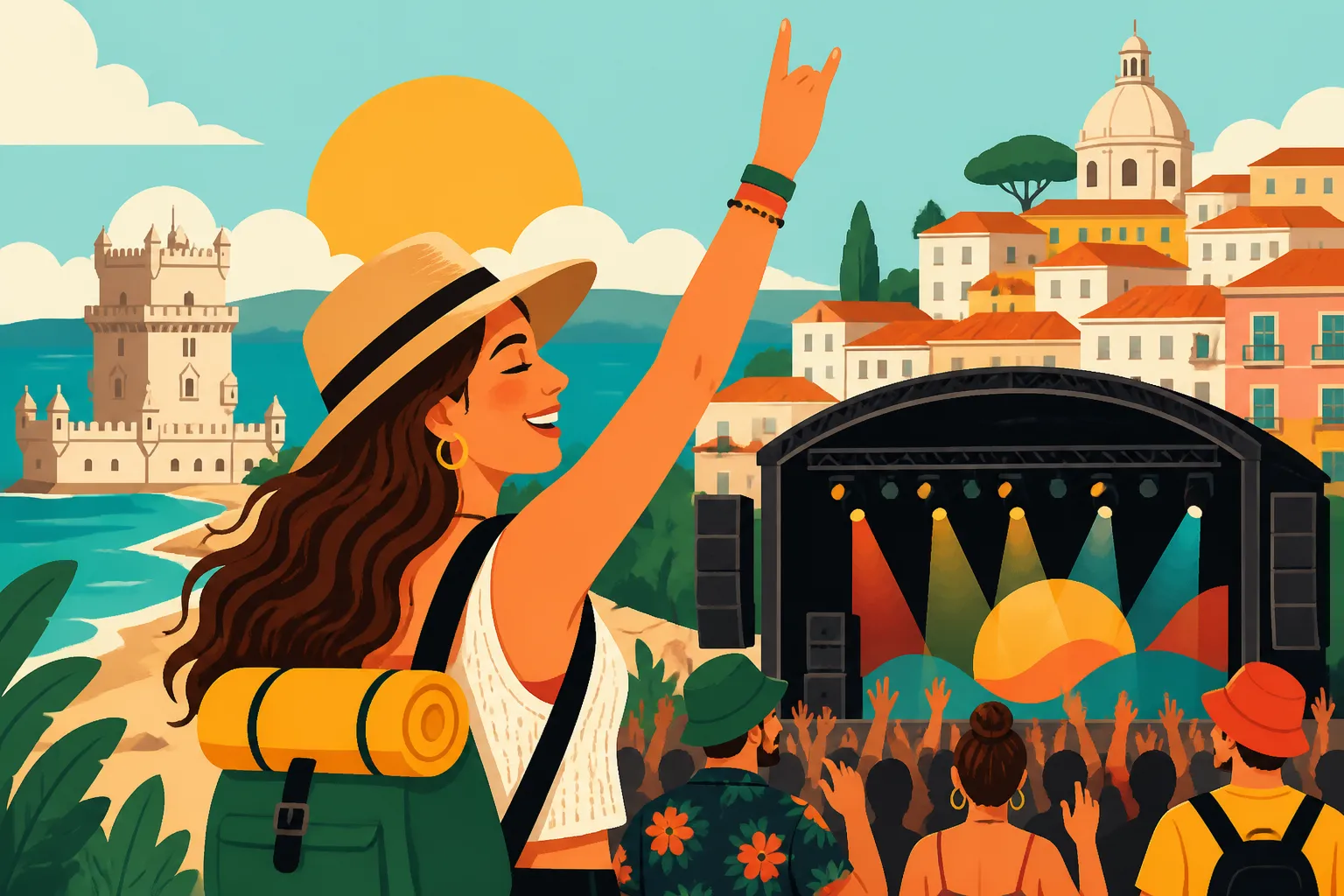
Portugal truly transforms in the summer months, becoming a veritable playground for music lovers. It’s not just about the sun and surf; the country hosts an incredible array of festivals catering to every musical taste imaginable. From massive international headliners gracing stages near the capital to intimate, indie gatherings tucked away in picturesque villages, there’s a rhythm for everyone. But with so many options, the first hurdle is often deciding which festival best suits your ideal experience.
The Big Players: Iconic Festivals and What to Expect
Let's be honest, when most people think of music festivals in Portugal, a few big names immediately spring to mind. These are the giants, attracting international superstars and drawing crowds from across Europe and beyond. They offer top-tier production, multiple stages, and a full-blown immersive experience, but they also come with bigger price tags and more intense crowds.
NOS Alive, held just outside Lisbon in Algés, is arguably Portugal's most famous and consistently impressive rock and alternative festival. Typically taking place in early July, it consistently pulls in massive names, from rock legends to indie darlings, and often sells out months in advance. The atmosphere is electric, fueled by a mix of Portuguese energy and international flair, all set against the backdrop of the Tagus River. The sheer scale and popularity mean that securing tickets and accommodation requires prompt action.
Then there's Primavera Sound Porto, the Portuguese sibling of the renowned Barcelona festival. This one lights up Porto's Parque da Cidade in early June, offering a more curated, often critically acclaimed lineup spanning indie, electronic, and experimental genres. It's known for its cool, laid-back vibe and impeccable sound quality, making it a favorite among those who appreciate musical depth over pure stadium anthems. Getting to Parque da Cidade is fairly easy via public transport from central Porto, but lodging during this period is always in high demand.
For those craving a blend of pop, rock, and electronic with a truly massive spectacle, Rock in Rio Lisboa is a biennial event that transforms Lisbon's Parque da Bela Vista into a 'City of Rock'. While not held every year, when it does, it's a huge production with elaborate stages, diverse entertainment, and a very family-friendly atmosphere during the day, transitioning to a party vibe at night. Keep an eye on its schedule, as it's an unmissable event if you're here when it rolls around.
Finally, for the electronic music and beach campout enthusiasts, MEO Sudoeste in Zambujeira do Mar is a summer staple. Taking place in early August on the stunning Alentejo coast, this festival combines mainstream electronic, pop, and hip-hop acts with the unique experience of camping by the sea. It's a proper summer holiday experience, often attracting younger crowds who come for the music, the sun, and the vibrant communal camping life. It’s a bit of a trek to get there, but the journey is part of the adventure.
Niche Gems and Regional Flavours
While the big names draw the global spotlight, Portugal also boasts a rich tapestry of smaller, often more intimate festivals that offer truly unique experiences. These are where you might uncover new favorite artists, immerse yourself in local culture, or simply enjoy music in breathtaking, less commercialized settings. Often, these festivals are more affordable and offer a deeper dive into the soul of Portuguese cultural events.
Consider EDP Vilar de Mouros, often hailed as Portugal’s oldest festival. Set in a charming northern village, it’s a legend among Portuguese rock fans, known for its eclectic lineups and a nostalgic, community-driven feel that harks back to its roots in the late 60s. It’s a bit off the beaten path, but that’s precisely its charm, offering a chance to see both international and national acts in a historic, tranquil environment.
For a true world music immersion, the Festival Músicas do Mundo (FMM) in Sines is an absolute treasure. Held in the historic port town of Sines in July, this festival celebrates global sounds, bringing together artists from every continent in a truly mesmerizing cultural exchange. Imagine listening to a fado singer, followed by an African drumming ensemble, then a Latin American folk band, all with the Atlantic Ocean as your backdrop. It's an incredibly enriching experience, attracting a diverse and open-minded audience.
And for those seeking something truly alternative, regenerative, and spiritual, there's Boom Festival. Held biennially in the heart of rural Portugal near Idanha-a-Nova, Boom is more than just a music festival; it's a week-long, self-sustaining community focused on psychedelic art, electronic music, and environmental consciousness. It's a completely different beast from the mainstream festivals, with a strong emphasis on workshops, art installations, and a deep connection to nature. This one often sells out instantly the moment tickets are released, so planning years in advance isn’t an exaggeration.
Timing Your Trip: Peak Season and Hidden Opportunities
Portugal's festival season kicks into high gear as soon as the weather warms up, typically running from late May through early September. The sweet spot, the absolute peak, is generally July and August. This is when the biggest festivals hit, the weather is consistently hot and sunny, and the country is buzzing with energy. However, this also means higher prices for everything – flights, accommodation, and even festival tickets, which can sell out rapidly.
If you’re looking to potentially save some cash and avoid the absolute frenzy, consider festivals in June or early September. The weather is still glorious, often a touch milder than the scorching mid-summer, and while popular, these months can sometimes offer a slightly more relaxed experience. Primavera Sound Porto, for instance, often kicks off in early June, providing a fantastic start to the summer. The shoulder seasons can also sometimes offer better deals on flights and places to stay through platforms like Booking.com, which can make a noticeable difference in your overall budget, especially if you're trying to figure out the general Cost of Living in Portugal 2026: Detailed Budgets for Singles and Families.
Beyond the specific festival dates, always factor in travel time and a day or two for recovery on either side. Portugal is a country to be savored, not just rushed through from one event to the next. You'll want to explore the local areas, enjoy the food, and soak up the atmosphere before diving into the next big experience or heading home. Remember, Portuguese summers are intensely hot, so planning for hydration and sun protection isn't just a suggestion; it's a necessity for comfort and safety.
Logistics Unpacked: Tickets, Transport, and Accommodation
Once you've zeroed in on the festival that speaks to your soul, the real work (and sometimes the real headache!) begins: sorting out the practicalities. From snagging those coveted tickets to figuring out how to actually get yourself and your gear to a remote field in the middle of nowhere, and then finding somewhere to crash, it can feel like a labyrinth. But don't worry, with a bit of foresight and the right tools, it's entirely manageable.
Securing Your Spot: Where and When to Buy Tickets
Getting your hands on tickets is often the first and most critical step, especially for the major festivals. These events frequently sell out, sometimes within minutes of general release, so being prepared is key.
Always, always, always buy your tickets from official sources. This typically means the festival's official website or their listed authorized vendors. In Portugal, common and reliable ticketing platforms include FNAC (a large retail chain that also sells tickets), Ticketline, and sometimes See Tickets or Festicket for international events. Avoid buying from unofficial resellers on social media or forums unless you can verify their legitimacy beyond a shadow of a doubt – there are unfortunately many scams out there preying on eager festival-goers.
Many festivals offer different tiers of tickets: early bird, first release, second release, and so on. The earlier you buy, the cheaper they tend to be, but these also sell out the fastest. If you know which festival you want to attend, sign up for their newsletters and follow their social media channels to be notified the moment tickets go on sale. It’s not uncommon for dedicated fans to set alarms and be ready to click "buy" the instant they drop. Group tickets or loyalty programs for previous attendees might also offer advantages, so do your research.
Getting There: Navigating Portugal's Transport Network
Portugal has a pretty decent public transport network, but getting to a festival site can sometimes require a bit of strategic planning, especially if it's in a more rural location.
For inter-city travel, trains and long-distance buses are your best friends. Comboios de Portugal (CP) operates the national train network, offering comfortable and often scenic routes between major cities. For example, if you're heading from Lisbon to Porto, the Alfa Pendular is a fast and efficient option. For buses, Rede Expressos is the dominant long-haul carrier, reaching almost every corner of the country. Their services are generally reliable and affordable. You can often check schedules and book tickets easily online using platforms like Omio, which aggregates various transport options, making it a breeze to compare routes and prices to get to your festival destination. This is much more convenient than trying to navigate multiple Portuguese transport websites in English!
Once you're near the festival, local transport might include regional buses, shuttles organized by the festival itself, or taxis/ride-sharing services like Bolt or Uber. If you plan to use a ride-sharing app, ensure you have a local SIM card (or a good international roaming plan) as internet coverage can be spotty in remote areas, and surge pricing during peak festival times can be brutal. If you’re considering bringing your own car, remember that parking near major festival sites can be a nightmare and often expensive. Also, make sure you understand the nuances of Public Transport and Driving in Portugal: Trains, Tolls, and Licenses, including how to handle tolls and Portuguese road rules.
Where to Lay Your Head: Festival Camping vs. Local Stays
Deciding where to sleep is a crucial part of your festival experience. Many festivals offer dedicated camping areas, which can be an incredible way to immerse yourself fully in the festival vibe and often save a significant amount on accommodation.
Festival camping in Portugal generally ranges from basic fields with shared facilities to more organized campsites offering showers, proper toilets, and sometimes even pre-pitched tents or glamping options. Always check what's included and what you need to bring. A good quality tent, sleeping bag, and sleeping mat are non-negotiable. Be prepared for heat during the day and potentially cooler nights, especially by the coast. Theft can be an issue in crowded campsites, so keep valuables secure and out of sight. Remember that some camping facilities can feel a bit rough and ready, so adjust your expectations.
If camping isn't your style, or the festival doesn't offer it, you'll be looking for local accommodation. This is where platforms like Booking.com become invaluable. Hotels, hostels, guesthouses, and even private apartments are available in towns and cities near festival locations. However, demand skyrockets during festival season, so book months in advance. Prices will be inflated, but securing a comfortable bed and a proper shower after a day of dancing can be priceless.
Consider staying in a slightly larger town nearby and commuting, if the transport links are reliable. For example, if you're attending a festival near Cascais, staying in Lisbon might be an option if you don't mind the daily commute. Sometimes, smaller local accommodations, often listed on platforms like GetYourGuide or even local tourism sites, might offer a more authentic experience away from the immediate festival hubbub. Just be mindful of the travel time to and from the site each day. For longer stays, understanding how to approach Renting an Apartment in Portugal: Contracts, Fees, and Tenant Rights can also be helpful, especially if you decide to extend your trip.
| Festival Name | Primary Genre | Location | Typical Dates | Vibe & Crowd | Camping Available? |
|---|---|---|---|---|---|
| NOS Alive | Rock, Indie, Pop | Algés, Lisbon (near) | Early July | Energetic, diverse, international, urban | No |
| Primavera Sound Porto | Indie, Alternative, Elec | Porto (Parque da Cidade) | Early June | Laid-back, trendy, music-focused, urban | No |
| MEO Sudoeste | Electronic, Pop, Hip-Hop | Zambujeira do Mar | Early August | Party-centric, young, beach campout, rural | Yes |
| FMM Sines | World Music | Sines | Late July | Cultural, bohemian, family-friendly, coastal | Yes (nearby) |
| Boom Festival | Psytrance, Electronic | Idanha-a-Nova (rural) | Late July/Aug (biennial) | Transformative, spiritual, eco-conscious, rural | Yes |
Festival Survival Kit: Packing Smart and Staying Safe
Attending a music festival in Portugal is an exhilarating experience, but being unprepared can quickly turn the fun into frustration. The key to truly enjoying yourself is to pack smart, stay aware, and prioritize your well-being. This isn't just about what to bring, but also about how to manage your finances and ensure your personal safety in a bustling, often chaotic environment.
The Essentials Checklist: More Than Just Sunscreen
Forget your worries and dance the night away, but not before you’ve packed these absolute must-haves. Portugal’s summer heat is no joke, and while the days are glorious, the evenings can sometimes bring a surprising chill, especially along the coast.
First and foremost: clothing for all eventualities. Lightweight, breathable fabrics for the day are essential, but pack a light jacket or hoodie for the evenings, and perhaps a rain poncho – you never know when a summer shower might surprise you, even if they're rare. Comfortable, broken-in shoes are non-negotiable. You’ll be doing a lot of walking and dancing, so leave those brand-new kicks at home. Also, don't forget a hat and sunglasses for sun protection.
Next, hydration is paramount. While most festivals will have water points, bringing a reusable water bottle is not only eco-friendly but also a lifesaver. Temperatures can soar, and dehydration can creep up quickly. A small first-aid kit with basics like pain relievers, band-aids (for blisters!), antiseptic wipes, and any personal medications is always a good idea. Sunscreen, and plenty of it, should be at the top of your list. And yes, a power bank for your phone. You'll need it for photos, finding friends, and checking schedules – because finding an available outlet will be like finding a golden ticket.
Finally, and this might sound obvious but it's often overlooked, secure your important documents. Your ID, a photocopy of your passport (keep the original safely locked away if possible), and any necessary visa information should be kept in a secure, waterproof pouch, ideally strapped to your body. You'll also want to know where the closest Pharmacies and Medication in Portugal: Prescriptions and OTC Drugs are located, just in case you need something more specific.
Money Matters and Staying Connected
Navigating your finances at a festival can be a bit tricky, but having a plan will save you a lot of hassle. While most major festivals in Portugal now accept card payments at many vendors, it's always wise to carry some cash. Small vendors, food stalls outside the main arena, or local taxis might prefer it, and you don't want to be caught out if the card machines go down or the signal drops.
The Multibanco system is Portugal's unique and highly efficient ATM network. You'll find these green machines everywhere, and they're reliable for cash withdrawals. However, avoid the independent, brightly colored ATMs in tourist areas that charge exorbitant fees. If you've managed to set up a local bank account, then you're already ahead of the game, but if not, keep an eye on international transaction fees. For those who are newer to the country, understanding the nuances of Opening a Bank Account in Portugal: Best Banks for Foreigners and Expats can be a good foundational step for managing finances here.
Staying connected is equally important, especially if you're with a group. Consider getting a local prepaid SIM card upon arrival if your existing plan doesn't offer good roaming rates. Portuguese providers like Vodafone, MEO, and NOS offer various tourist-friendly options with data packages. While festival Wi-Fi can be unreliable or non-existent, having your own data will allow you to communicate, check maps, and access schedules. Just be aware that signal strength can vary greatly depending on the festival's location, especially in more rural settings. Make sure to check out Home Internet and Mobile Plans: Vodafone, MEO, and NOS Compared for the best options.
Health & Safety: Be Prepared, Not Scared
It's easy to get lost in the moment at a festival, but maintaining awareness of your surroundings and prioritizing safety should always be a background consideration. Portugal is generally a safe country, but crowded festival environments can attract opportunistic petty criminals.
Sun protection and hydration, as mentioned, are critical. Drink water regularly, even if you don't feel thirsty, and seek shade when possible. Keep an eye on your friends, especially if anyone is feeling unwell. It's always a good idea to establish a designated meeting point with your group in case you get separated – mobile networks can get overwhelmed, making calls and messages difficult.
Be mindful of your belongings. Use a crossbody bag or a fanny pack worn at the front, rather than a backpack, to deter pickpockets. Don't flash large amounts of cash or expensive electronics. While you shouldn't be paranoid, a healthy dose of vigilance goes a long way. If you notice anything suspicious or feel unsafe, trust your gut and move away, or alert festival staff or security. For more general advice, the guide on Safety and Emergency Preparedness in Portugal for Foreign Residents offers valuable insights applicable even in festival settings.
In case of a medical emergency, know that the general emergency number in Portugal is 112. Festival sites will also have dedicated first-aid stations, clearly marked and staffed by medical professionals. Familiarize yourself with their locations upon arrival. These services are there to help, so don't hesitate to use them if needed. Knowing about Emergency Medical Care in Portugal: Calling 112 and Going to the Hospital can give you peace of mind.
Embracing the Culture: Beyond the Headliners
Beyond the music, attending a festival in Portugal is a deep dive into a vibrant cultural experience. It’s an opportunity to connect with locals, sample authentic flavors, and appreciate the unique Portuguese approach to celebration. Understanding these cultural nuances can significantly enhance your enjoyment and create more memorable interactions.
Food, Drink, and the Portuguese Way of Festivities
One of the great joys of any trip to Portugal is the food, and festivals are no exception. While the main festival grounds will have a plethora of food stalls ranging from international fast food to more traditional Portuguese offerings, don't miss the chance to explore the local culinary scene if you're staying nearby.
Many festivals, especially the smaller, more regional ones, will have food vendors serving up classics like prego no pão (steak sandwich), bifanas (pork sandwich), and caldo verde (kale soup). You'll find plenty of grilled sardines, chouriço, and other Portuguese staples. These are often more authentic and better value than what you might find at international chains. Remember, water will be available, but also expect plenty of beer (often Sagres or Super Bock, the two national brands) and sometimes local wines or sangria. Just remember to drink responsibly and hydrate with water in between.
If you're self-catering or camping, hitting the local supermarkets like Continente, Pingo Doce, or Auchan before heading into the festival can save you a bundle on snacks, drinks, and breakfast items. They're also great for picking up local cheeses, bread, and fruits. Exploring these everyday aspects of Daily Life in Portugal: Supermarkets, Language, and Cultural Etiquette can truly enrich your entire experience, offering a glimpse into local life even amidst the festival buzz.
Language and Interaction: Making Local Connections
While many Portuguese, especially younger generations and those in tourist-heavy areas, speak excellent English, don't assume everyone will. A little effort to speak some basic Portuguese phrases will go a very long way. Locals truly appreciate it when foreigners make an attempt, and it can open doors to warmer interactions and better service.
Simple phrases like olá (hello), obrigado/obrigada (thank you – male/female), por favor (please), desculpe (excuse me/sorry), and fala inglês? (do you speak English?) are incredibly useful. When ordering food or drinks, knowing uma cerveja, por favor (a beer, please) or água, por favor (water, please) will make things smoother. Don't be afraid to try! Most Portuguese are incredibly patient and encouraging with language learners.
Engaging with locals can be one of the most rewarding parts of your festival experience. They might have tips on hidden spots, local eateries, or even cultural insights. Remember, while you're there for the music, you're also a guest in their country, so be respectful and open to new experiences. If you're planning a longer stay or simply want to improve your interactions, delve into resources like Learning European Portuguese: Top Apps, Tutors, and Free Government Classes.
Leaving No Trace: Respecting the Environment
Portugal, like many European countries, is becoming increasingly conscious of environmental impact, and this extends to its festivals. Many events are making efforts towards sustainability, and attendees are encouraged to do their part.
This often means clear recycling points (Ecopontos, often color-coded for paper, plastic/metal, and glass), initiatives for reducing single-use plastics, and campaigns for responsible waste disposal. Take responsibility for your trash, don't litter, and use the provided facilities. If you're camping, ensure you leave your campsite as you found it, or even better, cleaner. The beauty of Portugal’s natural landscapes is a huge part of its appeal, and preserving it is a shared responsibility.
Embrace the slower pace when possible. Portuguese culture often values connection and savoring moments. Don't be surprised if service at a food stall is a little slower than you're used to, or if conversations linger. It’s all part of the charm. Let go of the need to rush, soak in the sounds, the sights, the smells, and the unique energy of a Portuguese music festival. It’s an adventure you won’t soon forget!
Disclaimer
The information provided in this guide is intended for general informational purposes only and may not constitute the most up-to-date legal or administrative advice. While we strive to provide accurate and current information, regulations and procedures in Portugal can change rapidly. We strongly recommend consulting official government sources, legal professionals, or immigration experts for specific advice tailored to your individual situation before making any decisions based on this content. We are not liable for any actions taken or not taken based on the information provided herein.