How to Find Free Museum Days in Portugal
Disclosure: This article contains affiliate links. If you buy through them, we may earn a commission at no extra cost to you. Read our full disclosure.
Oh, the joy of immersing yourself in Portuguese culture! But let's be real, the cost of living here, especially in the big cities, can really start to add up, and those museum entry fees, while usually modest, can pinch the wallet if you're trying to see everything. It's frustrating when you want to soak up all the history and art but feel like you're constantly calculating your budget. This guide is going to reveal all the secrets to finding those elusive free museum days across Portugal, ensuring you can experience the country's rich heritage without breaking the bank.
The Magic of Free Museum Days: Why They Exist and How to Spot Them
When you first move to or visit Portugal, you quickly realize that culture is woven into the very fabric of daily life. From the intricate azulejo tiles that adorn buildings to the ancient Roman ruins scattered across the landscape, there's always something incredible to see. However, actually getting in to see it often comes with a price tag. This is where the magic of free museum days comes in. These aren't just random acts of generosity; they're often part of a broader cultural initiative designed to make heritage accessible to everyone, regardless of their financial situation.
The primary reason many national museums offer free entry days is rooted in the government's commitment to cultural enrichment. It's a way to encourage local residents and long-term expats to engage with their history and art regularly, fostering a deeper connection to the country. For tourists, it's an incredible bonus, but you really have to know when and where to look. The challenge, and believe me, I've been there, is that this information isn't always screaming at you from the main tourism websites. You often have to dig a little, sometimes navigating Portuguese-only websites, which can be a whole adventure in itself!
Understanding the Common Patterns for Free Entry
Portugal's national museums, those managed by the Direção-Geral do Património Cultural (DGPC), often adhere to a fairly consistent schedule for free entry. The most common pattern you'll encounter is the first Sunday of every month. This is a golden rule to etch into your memory! On these days, many state-run museums and monuments open their doors to everyone free of charge. However, there are often nuances. Sometimes, this free access is limited to Portuguese residents or residents of the EU, so it's always, always best to double-check the specific museum's official website. Don't just assume it applies to all visitors.
Beyond the first Sunday, you might also find free access on specific national holidays, like International Museum Day (May 18th) or European Heritage Days (usually in September). These are fantastic opportunities to explore, but they can also mean much larger crowds. It's a trade-off: free entry versus jostling for a view of that prized artifact. Sometimes, certain demographic groups also qualify for free entry all the time. For instance, children, students with an international student card, people over 65 (especially EU citizens), and even journalists might have continuous free access. Always carry relevant identification just in case. The rules can be a bit of a maze, and it’s easy to feel a bit lost trying to figure it all out, especially when websites aren't perfectly clear or translated. But armed with a little patience and these tips, you'll be navigating those cultural corridors like a local.
Navigating the Information Labyrinth
Finding out about these free days can feel like a quest, especially when you're dealing with websites that might not be fully translated into English, or where the information is buried deep in a PDF. My best advice, and something I've learned the hard way, is to go directly to the official website of the museum you plan to visit. Look for sections like "Horários e Bilhetes" (Hours and Tickets) or "Condições de Acesso" (Access Conditions). If you're struggling with the language, a browser translation tool is your best friend.
Another invaluable resource is the local tourism office. In cities like Lisbon or Porto, the tourism staff are generally multilingual and can provide up-to-date information on free entry days for the museums in their vicinity. Don't be shy about asking. You can also keep an eye on municipal cultural agendas or local news websites closer to the dates of major cultural events, as they often highlight these opportunities. While it might seem like a bit of homework, trust me, the reward of experiencing Portugal's cultural gems without an entry fee is well worth the effort.
Top National Museums with Consistent Free Entry Rules
Portugal boasts an incredible array of national museums, each telling a vital part of its story. These institutions are generally the most reliable when it comes to offering those coveted free entry days. It's a fantastic opportunity to see world-class art, historical artifacts, and stunning architecture.
Let's look at some of the heavy hitters and their free entry policies:
Iconic Lisbon Institutions
Lisbon is a treasure trove of culture, and many of its most celebrated national museums generously offer free entry on the first Sunday of the month. This is your chance to delve deep into Portuguese heritage without spending a cent.
-
National Museum of Ancient Art (Museu Nacional de Arte Antiga – MNAA): Home to an astounding collection of Portuguese and European art, including masterpieces like Nuno Gonçalves' "Panels of St. Vincent." This museum, located in the elegant Lapa district, offers free entry on the first Sunday of every month. It’s a truly magnificent place to spend a Sunday afternoon, wandering through centuries of artistic expression. Just remember to check for any special exhibitions, as these might sometimes have a separate charge.
-
National Azulejo Museum (Museu Nacional do Azulejo): Housed in the beautiful former Convent of Madre de Deus, this museum is dedicated to the art of the azulejo, Portugal's iconic ceramic tiles. You'll see everything from Moorish-inspired patterns to contemporary designs. Like the MNAA, it typically offers free entry on the first Sunday of the month. It’s a vivid, colourful journey through Portuguese history and craftsmanship, located a little out of the central hustle, making it a calmer, more reflective experience.
-
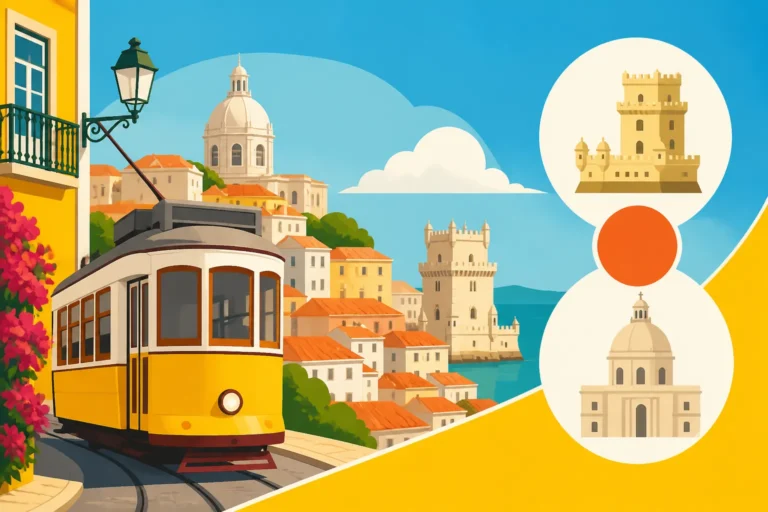
National Coach Museum (Museu Nacional dos Coches): Located in Belém, this unique museum houses one of the finest collections of historical carriages in the world. It’s absolutely fascinating, showcasing opulent vehicles that once transported royalty. The museum is another participant in the first Sunday of the month free entry scheme. Combining a visit here with a stroll through Belém, perhaps to see the Belém Tower or Jerónimos Monastery, makes for a perfect, culturally rich day.
-
National Pantheon (Panteão Nacional): This majestic former church, inspired by the Pantheon in Rome, is the final resting place for many of Portugal's most important figures. The views from the dome are breathtaking. You can often enter for free on the first Sunday of the month, usually until 2 PM, so plan to go early!
While the permanent collection of the Calouste Gulbenkian Museum (often touted as one of Portugal's best museums) is usually free on Sundays after 2 PM, it's important to note that their policies can sometimes change or exclude specific temporary exhibitions. It's always best practice to check their website directly before planning your visit.
Exploring Beyond Lisbon: Porto and Other Regions
It's not just Lisbon that gets to have all the fun with free museum days. Other major cities and regions also offer similar opportunities, allowing you to explore Portugal's diverse cultural landscape economically.
-
National Museum Soares dos Reis (Museu Nacional Soares dos Reis) in Porto: This is Porto’s oldest museum, housed in the beautiful Palácio das Carrancas. It holds a significant collection of Portuguese art, including works by the sculptor António Soares dos Reis, after whom it is named. Just like its Lisbon counterparts, you can typically enjoy free entry here on the first Sunday of every month. If you're exploring the Porto Neighborhood Guide: Where to Live for Culture, Tech, and Family this is a must-see.
-
Grão Vasco National Museum (Museu Nacional Grão Vasco) in Viseu: If you venture inland to the charming city of Viseu, you'll find this museum, dedicated to the work of the Renaissance painter Vasco Fernandes (Grão Vasco). It's also part of the first Sunday free entry initiative. This is a perfect example of how free museum days can encourage you to discover smaller, but equally rich, cultural gems outside the main tourist hubs.
Planning your trip around these free days can be a smart move, especially if you're using public transport to get around the cities. Companies like Omio can be incredibly helpful for booking trains or buses between cities, allowing you to seamlessly connect your cultural explorations across different regions of Portugal. Imagine catching a train from Lisbon to Porto for a free museum Sunday, then using Booking.com to find an affordable stay near another cultural gem.
Here’s a quick overview of some key national museums and their common free entry policies:
| Museum Name | City/Region | Common Free Entry Rule | Notes |
|---|---|---|---|
| National Museum of Ancient Art (MNAA) | Lisbon | First Sunday of every month | Permanent collection, check for special exhibitions |
| National Azulejo Museum | Lisbon | First Sunday of every month | Permanent collection, usually for EU/PT residents |
| National Coach Museum | Lisbon | First Sunday of every month | Permanent collection |
| National Pantheon | Lisbon | First Sunday of every month (until 2 PM) | Permanent collection, get there early |
| Jerónimos Monastery (Cloister) | Lisbon | First Sunday of every month (until 2 PM) | Limited access, long queues |
| Belém Tower | Lisbon | First Sunday of every month (until 2 PM) | Long queues, advisable to arrive very early |
| National Museum Soares dos Reis | Porto | First Sunday of every month | Permanent collection |
| Grão Vasco National Museum | Viseu | First Sunday of every month | Permanent collection |
| Calouste Gulbenkian Museum (Permanent Collection) | Lisbon | Sundays after 2 PM | Check official website for confirmation |
Remember that these rules can occasionally change, especially around public holidays or for special events, so always check the specific museum's website right before your planned visit.
Beyond the Nationals: Smaller Museums and Local Initiatives
While the big national museums are fantastic, Portugal is brimming with smaller, often equally captivating, municipal museums, private foundations, and local cultural centers. These hidden gems might not always have the "first Sunday free" rule, but they often have their own unique ways of offering reduced or free access, or simply have very affordable entry fees to begin with. It's all part of exploring the true Daily Life in Portugal: Supermarkets, Language, and Cultural Etiquette.
Discovering Regional and Municipal Collections
Many cities and towns, even smaller ones, operate their own municipal museums. These institutions typically focus on local history, traditions, archaeology, or specific regional artists. For example, in Lisbon, you have places like the Fado Museum, which, while not always free, often has very reasonable entry fees and occasional free events. Porto also boasts a range of smaller museums, such as the World of Discoveries, though these tend to be privately run and less likely to have free general admission days.
The key to unlocking free or reduced entry at these smaller venues often lies in local knowledge. Checking the website of the Câmara Municipal (City Council) of the specific town you're visiting can reveal information about local cultural initiatives, special event days, or permanent free exhibitions. Some municipal museums might offer free entry to residents of that specific municipality, so if you've recently moved to a smaller town, it's worth inquiring. These places are fantastic for gaining a deeper understanding of the specific area you're exploring, moving beyond the well-trodden tourist paths.
Exploring Private Foundations and Galleries
Portugal also has a vibrant scene of private foundations and art galleries. While these often have their own pricing structures, some do offer occasional free entry, especially for exhibition openings or during specific cultural weeks. The Museu Coleção Berardo in Lisbon, for example, used to offer free entry on Saturdays, though policies for private institutions are more subject to change. Always check their individual websites. These private foundations often host incredible contemporary art and unique collections that are well worth seeking out.
Beyond formal museums, don't forget to keep an eye out for smaller, independent art galleries. Many of these offer free entry year-round, especially in vibrant artistic districts like those in Lisbon or Porto. They provide a fantastic opportunity to see emerging Portuguese artists and perhaps even pick up a unique piece of art. Walking into a small gallery in Chiado or the art district of Porto costs nothing but your time and curiosity, and you might just stumble upon your new favourite artist. If you're looking for an alternative to traditional tours, sometimes platforms like GetYourGuide offer walking tours that include stops at free galleries or public art installations, providing guided insight without an entry fee to formal museums.
Practical Tips for Maximizing Your Free Museum Experience
Alright, so you've got the lowdown on where and when to find free museum days. Now, let's talk about how to make the most of them, because a free day can quickly turn into a frustrating day if you're not prepared.
Beating the Crowds and Planning Your Visit
Free days, especially those coveted first Sundays, are popular – and for good reason! This means crowds. Significant crowds. Sometimes, the queues to get into places like the Jerónimos Monastery or Belém Tower can stretch for hours. My first piece of advice is to arrive early. Seriously, be there at least 30 minutes before opening time. You'll thank me later. The early bird definitely gets the worm, or at least a less crowded view of the ancient art.
Alternatively, consider going later in the afternoon, closer to closing time, especially if the free entry extends all day. Many visitors will have already left, and you might experience a calmer atmosphere. However, this strategy comes with the risk of missing something if you underestimate the size of the museum.
Always, and I mean always, check the official museum website before you head out. Opening hours, free entry policies, and even temporary closures can change at short notice. There's nothing worse than trekking across the city, full of cultural anticipation, only to find the doors shut or the free day cancelled. While planning your route, remember that Lisbon and Porto have excellent public transport networks. Services like Metro, bus, and tram are usually well-equipped to handle the increased traffic on free days. You can learn more about navigating the city in my guide on Public Transport and Driving in Portugal: Trains, Tolls, and Licenses.
What to Expect and How to Make the Most of It
On free days, museums can be a bit more bustling than usual. This means popular exhibits might have small bottlenecks, and noise levels might be higher. Embrace it as part of the vibrant atmosphere! It’s a collective celebration of culture.
- Focus on the Permanent Collection: While some museums extend free entry to all exhibitions, many restrict it to their permanent collections. Special, temporary exhibitions often require a separate ticket, even on free days. Clarify this on the museum's website to avoid disappointment.
- Pace Yourself: Don't try to see absolutely everything in one go, especially in large museums like the MNAA. It's better to truly appreciate a few key sections than to rush through everything. You can always plan a return visit, even if it's a paid one, to see what you missed.
- Bring Water and Snacks: While most museums have cafes, they can be incredibly busy and sometimes pricier on free days. Having a small bottle of water and a snack in your bag can be a lifesaver, especially if you find yourself waiting in a queue or spending hours on your feet.
- Consider a Guide or Audio Tour (Paid Option): Even on a free entry day, some museums offer audio guides for a small fee. This can enhance your experience by providing deeper context and insights into the artworks. If you're a history buff, this might be a worthwhile small investment. For more extensive insights, sometimes platforms like GetYourGuide offer walking tours of the surrounding historical districts that you can pair with your free museum visit, giving you a full cultural immersion.
By following these practical tips, you can transform a simple free entry day into a truly enriching and enjoyable cultural adventure in Portugal. It’s all about being prepared and knowing what to expect, allowing you to focus on the beauty and history around you.
Disclaimer
The information provided in this guide is intended for general informational purposes only and is subject to change. While we strive to keep the content accurate and up-to-date, museum policies regarding free entry, opening hours, and specific conditions can vary and be updated at any time by the individual institutions or governmental bodies. We strongly advise all readers to verify the latest information directly on the official websites of the respective museums or cultural institutions before planning their visit. We do not assume any liability for any errors or omissions in this information.