When Is the Best Time to Visit the Azores?
Disclosure: This article contains affiliate links. If you buy through them, we may earn a commission at no extra cost to you. Read our full disclosure.
Choosing the perfect time to visit the Azores can feel like trying to hit a moving target, given the archipelago's famously unpredictable weather patterns. Many of us expats, after settling on the mainland, dream of a tranquil escape to these verdant islands, only to be daunted by tales of "four seasons in one day" and relentless fog. This guide will cut through the uncertainty, offering a realistic, season-by-season breakdown to help you plan your ideal Azorean adventure, ensuring you arrive prepared and make the most of your precious time.
Understanding the Azorean Climate: More Than Just Sunshine
Before we dive into specific months, let's talk about the unique climate of the Azores. Nestled in the middle of the Atlantic, these nine volcanic islands are heavily influenced by the Gulf Stream, which blesses them with a mild, temperate climate year-round. This isn't the scorching Mediterranean heat you might associate with mainland Portugal; instead, think lush, green landscapes perpetually refreshed by rain and mist.
The phrase "four seasons in one day" is no exaggeration here, and it's a fundamental truth you must embrace. One moment, you could be basking in glorious sunshine, only for a dense fog to roll in, followed by a brief, refreshing shower, and then back to sun. This microclimate phenomenon means that weather can vary dramatically not just from day to day, but from one side of an island to the other, or even between a coastal town and a mountain lake just a few kilometers inland. Humidity is consistently high, contributing to the vibrant flora.
For those of us coming from drier climates, this can be quite a shift. You’ll quickly learn to pack layers – a waterproof jacket, a warm fleece, and quick-drying clothes are your best friends, even in summer. Don't let a gloomy morning deter you; the weather often clears, and the fleeting nature of bad weather often adds to the dramatic beauty. The mild temperatures mean it rarely gets uncomfortably cold, even in winter, with average lows hovering around 10-14°C (50-57°F) and highs around 16-25°C (61-77°F) throughout the year.
The important thing to remember is that while rainfall is more frequent outside of summer, it’s often short-lived. A typical Azorean "rainy day" might involve several heavy downpours interspersed with sunshine, rather than a continuous, dreary drizzle. This constant replenishment is what keeps the islands so incredibly green and fertile, giving them their nickname, the "Green Islands."
Peak Season Pleasures and Pitfalls: Summer in the Azores (June to September)
If your heart is set on long days, warmer temperatures, and the highest chance of sunshine, then the summer months from June to September are probably calling your name. This is when the Azores truly comes alive, especially on the larger islands like São Miguel and Terceira.
Why Summer Shines for Tourists
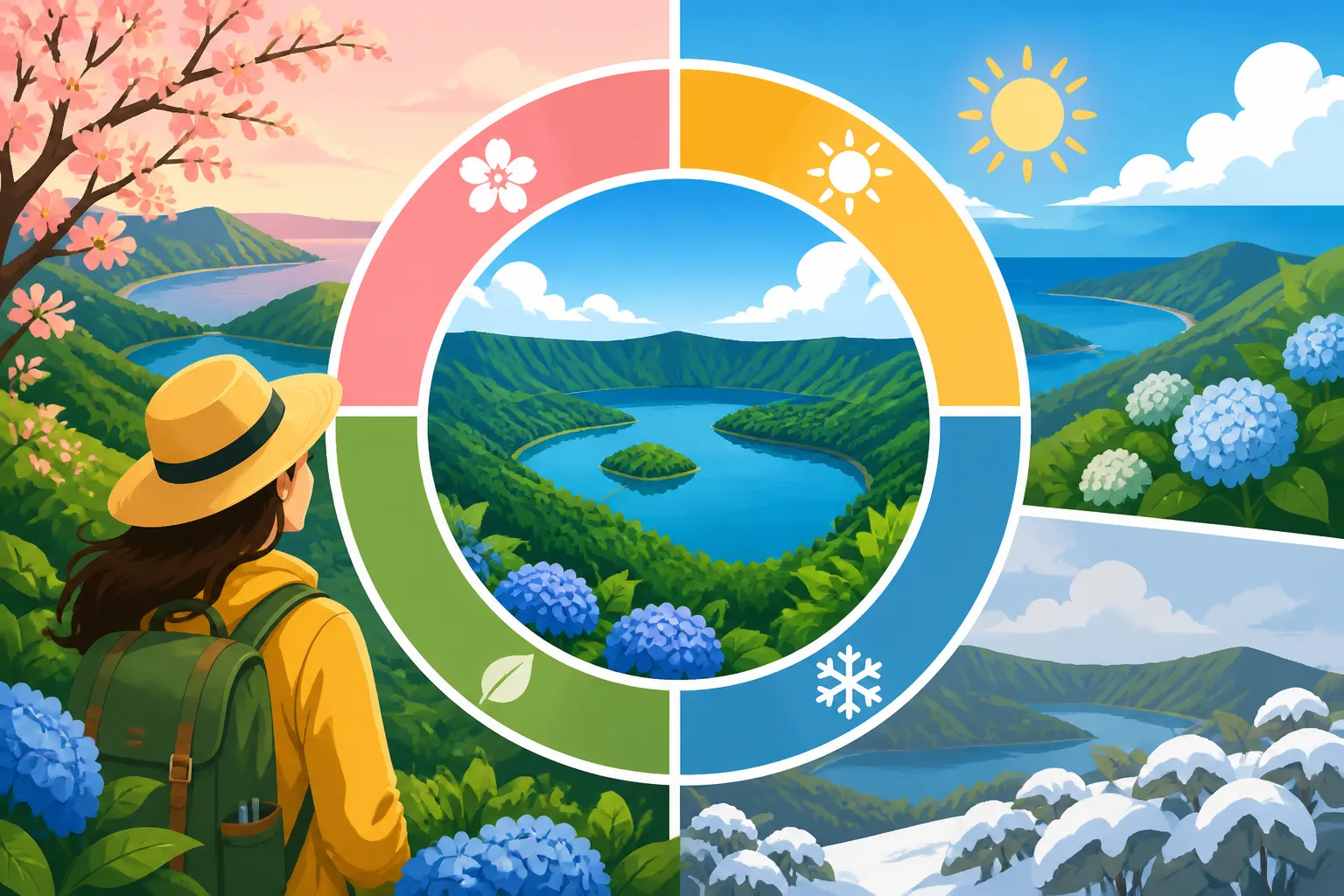
The primary draw of summer is, unequivocally, the weather. You’ll experience the warmest sea temperatures, perfect for swimming in natural volcanic pools like those at Ponta da Ferraria on São Miguel or the crystal-clear waters of the many beaches. Hiking trails are generally dry and easily accessible, leading you through verdant landscapes to breathtaking viewpoints or hidden waterfalls. With longer daylight hours, you can pack more into each day, exploring charming towns, lush tea plantations, and stunning crater lakes.
This period is also prime time for whale and dolphin watching, one of the Azores' most iconic activities. The calm summer seas make for excellent viewing conditions, and several species of whales, including sperm whales, can be spotted consistently. Many tour operators run multiple trips daily, and spots fill up fast. Booking these experiences and even inter-island flights, perhaps through platforms like Omio, well in advance is absolutely crucial.
Culturally, summer is vibrant with local festivals and religious celebrations (known as festas). The Festas do Senhor Santo Cristo dos Milagres in Ponta Delgada, São Miguel, usually in May, kicks off the season with immense spiritual and cultural fervor, drawing crowds from across the archipelago and beyond. Throughout the summer, nearly every village will have its own festa, offering traditional food, music, and community spirit – an authentic taste of Azorean life that can be deeply rewarding.
The Inevitable Downsides of Popularity
However, with popularity comes a few undeniable downsides that any seasoned expat will warn you about. Firstly, crowds. While the Azores are still far from being as overrun as some other European destinations, the main attractions, towns, and popular restaurants can get quite busy. This is particularly noticeable at iconic spots like Sete Cidades, Lagoa do Fogo, and the hot springs of Furnas. Parking can become a nightmare, and finding a quiet spot on a popular beach might require an early start.
Secondly, and perhaps more significantly for your budget, prices skyrocket. Accommodation costs, whether you're looking for hotels or private rentals, reach their peak. Flights to the islands and between them also see a substantial increase. Car rentals, which are practically essential for exploring the islands independently, become incredibly expensive and often sell out completely. If you’re planning a trip during this period, you absolutely must book your flights, accommodation (check out Booking.com early!), and car rental months in advance to secure reasonable rates and availability.
For those who prefer a more serene travel experience, the summer hustle can detract from the tranquil beauty of the islands. Long waits at popular restaurants and busy hiking trails might not be what you envisioned for your relaxing island escape. If you're someone who thrives on spontaneity, summer might prove a little frustrating due to the need for advance planning for almost everything. However, if guaranteed good weather and the full range of activities are your priority, then summer is the most reliable choice.
The Shoulder Season Sweet Spot: Spring and Autumn (April-May & October-November)
For many experienced travelers and expats, the shoulder seasons – late spring (April-May) and early autumn (October-November) – represent the ideal time to visit the Azores. These periods offer a fantastic balance of pleasant weather, fewer crowds, and more reasonable prices, providing a more authentic and relaxed experience of the islands.
Why Shoulder Season Might Be Your Best Bet
Spring in the Azores is a spectacle of nature awakening. The islands erupt in a riot of color, with hydrangeas beginning to bloom (though peak hydrangea season is typically July-August), azaleas, and countless other wildflowers covering the hillsides. The landscapes are intensely green after the winter rains, and the air is crisp and clean. Whale watching is still excellent in spring, as many species are migrating through the waters. The sea temperatures are starting to warm up, making dips in thermal pools like Poça da Dona Beija or Terra Nostra Park in Furnas even more enjoyable.
Similarly, early autumn offers a continuation of pleasant weather, with the ocean still warm enough for swimming for brave souls. The summer crowds have dissipated, leaving the islands feeling more peaceful and locals less rushed. This is an excellent time for hiking, as the heat isn't as intense as peak summer, and the trails remain largely dry. The light during these months can be absolutely magical for photography, casting long shadows over the volcanic landscapes and intensifying the colors of the lush vegetation.
One of the most significant advantages of traveling during these times is the reduced cost and increased availability. You'll find flights and accommodations to be considerably cheaper than in July and August. Car rentals, while still recommended to book in advance, are more readily available and come at a more palatable price point. This allows for greater flexibility in your itinerary and less pressure to plan every single detail weeks or months ahead. Exploring towns like Angra do Heroísmo on Terceira or visiting the cheese factories on São Jorge feels much more relaxed when you're not jostling with hordes of other tourists.
Minor Trade-offs
Of course, no season is perfect. The weather in the shoulder seasons, while generally good, can be more unpredictable than in high summer. You might encounter more rainy days or foggy mornings, particularly in October and November. However, as discussed, these are often fleeting showers rather than prolonged downpours. You'll still need those layers and waterproof gear.
Some seasonal businesses, especially in smaller villages or related to specific summer activities, might have reduced hours or be closed entirely by late October. Ferry schedules between the islands might also become less frequent as the high season winds down. But for the independent traveler looking for a blend of good weather, accessibility, and a genuine connection with the islands, the shoulder seasons truly hit the sweet spot. You might consider looking into guided tours with companies like GetYourGuide during these times, as they often continue operations and can provide valuable local insights, even if some activities are weather-dependent.
Winter Wonders and Quiet Charms: Off-Season Azores (December to March)
For those expats who have truly embraced the saudade and appreciate a slower pace of life, the Azorean winter offers a unique and surprisingly charming experience. From December to March, the islands shed their tourist-centric facade and revert to a tranquil, authentic rhythm, providing a different kind of beauty and an escape from the crowds.
The Allure of a Quiet Winter
Winter in the Azores is a time of incredible natural drama. The ocean, often calm in summer, becomes a powerful force, with dramatic waves crashing against the rugged coastline. This makes for spectacular coastal walks and offers some fantastic conditions for experienced surfers on specific breaks. The landscapes remain incredibly lush and green, even more so than in summer, thanks to consistent rainfall. Imagine hiking through dense forests, the air cool and fresh, with moss-covered trees and trickling streams creating a truly enchanting atmosphere.
This is the perfect season for indulging in the Azores' geothermal wonders. The hot springs in Furnas, like the famous Poça da Dona Beija or the thermal waterfall at Caldeira Velha, feel absolutely divine when the air outside is cool and misty. There's nothing quite like soaking in mineral-rich hot water surrounded by subtropical vegetation while a gentle rain falls. Thermal baths and cozy guesthouses become sanctuaries, offering warmth and relaxation.
For budget-conscious travelers, winter is a dream. Flights and accommodations are at their absolute lowest prices. You can often find fantastic deals on charming rural accommodations or even upscale hotels that would be prohibitively expensive in summer. Car rentals are also much more affordable and readily available, giving you the freedom to explore at your own pace without the worry of booking months ahead. This is a great opportunity to really settle into local life, frequenting local tascas (traditional restaurants) and coffee shops where you might be the only foreigner. This is often where you can practice your Learning European Portuguese: Top Apps, Tutors, and Free Government Classes skills in a low-pressure environment.
The Realities of Winter Travel
However, it's crucial to manage expectations for winter travel. The "four seasons in one day" phenomenon is most pronounced during these months. You will likely experience more rain, stronger winds, and denser fog, especially in higher elevations. While the temperatures are mild, it can feel damp and chilly, particularly indoors, as many older Portuguese homes, even on the mainland, lack adequate heating and insulation. Packing waterproofs, layers, and comfortable, sturdy shoes is non-negotiable.
Some outdoor activities might be limited by the weather. Whale watching tours still operate, but trips might be canceled more frequently due to rough seas. Some hiking trails, especially those prone to mud or landslides, might be less accessible or even closed. Inter-island ferry services can also be affected by rough weather, leading to delays or cancellations. If you're relying on public transport, remember that services are much less frequent outside the main summer months.
Culturally, while local festivals are fewer and further between, you might catch a glimpse of unique traditions around Christmas or Carnaval. If your goal is a serene escape, focused on nature's raw beauty, thermal relaxation, and an authentic local experience without the tourist crowds, then Azorean winter might just surprise you in the best possible way. Just be prepared for whatever the weather decides to throw at you.
Comparing the Seasons for Your Azorean Adventure
To help you visualize the best time for your specific interests, here’s a handy breakdown:
| Feature/Activity | Summer (June-Sept) | Shoulder (Apr-May, Oct-Nov) | Winter (Dec-Mar) |
|---|---|---|---|
| Weather | Warmest, sunniest, stable | Mild, pleasant, some rain | Coolest, most rain/fog |
| Crowds | Highest, busiest | Moderate, less busy | Lowest, very quiet |
| Prices (Flights/Accomm/Cars) | Highest | Moderate, good value | Lowest, best deals |
| Whale Watching | Excellent, calm seas | Excellent, good sightings | Good, but prone to cancellations |
| Hiking | Excellent, dry trails | Excellent, lush, pleasant temps | Good (waterproofs needed), some trails muddy/closed |
| Swimming (Ocean) | Best, warmest water | Cool, but possible | Cold, often rough seas |
| Thermal Baths | Good, but hot on sunny days | Excellent, very enjoyable | Best, most atmospheric |
| Festivals/Events | Abundant | Some (e.g., Santo Cristo) | Few, local celebrations |
| Photography | Vibrant, clear skies | Dramatic light, lush greens | Moody, powerful, misty |
| Spontaneity | Low (book ahead!) | Medium | High |
This table highlights that there truly isn't one "best" time, but rather a best time for you, depending on your priorities. If you're looking for an unforgettable family vacation with guaranteed beach days and lively events, summer could be it. If you're a couple seeking romantic hikes, thermal soaks, and delicious food without breaking the bank, shoulder season might be your winner. And if you're a solo adventurer or an expat looking for profound tranquility and dramatic landscapes, winter holds a unique magic.
Regardless of when you choose to go, remember that traveling to these beautiful islands requires a bit of planning, especially when it comes to Madeira and Azores: Island Living, Costs, and Expat Communities. Ensuring you have all your documents in order, understanding local customs, and embracing the island's natural rhythm will make your Azorean adventure truly special.
Final Thoughts on Planning Your Azorean Escape
Having lived here in Portugal for years, I've learned that flexibility and embracing the unexpected are key to enjoying any trip, especially to the Azores. While we can aim for perfect weather, sometimes Mother Nature has other plans, and that's often where the real magic happens. A misty morning revealing a dramatic crater lake, or a sudden downpour giving way to a double rainbow over the ocean – these are the moments that stick with you.
Remember to book those inter-island flights and car rentals well in advance, especially during the busier seasons, to avoid disappointment and inflated prices. Many flights between islands are operated by SATA Air Açores, and it’s always worth comparing options to ensure smooth travel, perhaps using a search engine like Omio. For exploring São Miguel or Terceira, a rental car is almost non-negotiable to truly discover the hidden gems beyond the main towns. You can check prices and availability on major rental platforms, and sometimes local companies offer better deals if you book directly.
Pack smart: layers, waterproofs, good walking shoes, and swimwear for those irresistible thermal pools. Don't forget a sturdy backpack for your day trips! And while you might think you’re escaping the mainland’s administrative quirks, the islands still share that charmingly devagar (slow) pace, so practice patience and go with the flow. Whether you visit for a week or a month, the Azores will undoubtedly capture a piece of your heart with their raw beauty and serene charm.
Disclaimer
The information provided in this guide is for general informational purposes only and does not constitute professional advice. While we strive to keep the information up-to-date and accurate, details regarding visa requirements, government regulations, and service availability in Portugal can change rapidly. Always consult official government sources, legal professionals, or relevant service providers for the most current and personalized information. We are not responsible for any actions taken based on the information provided herein.