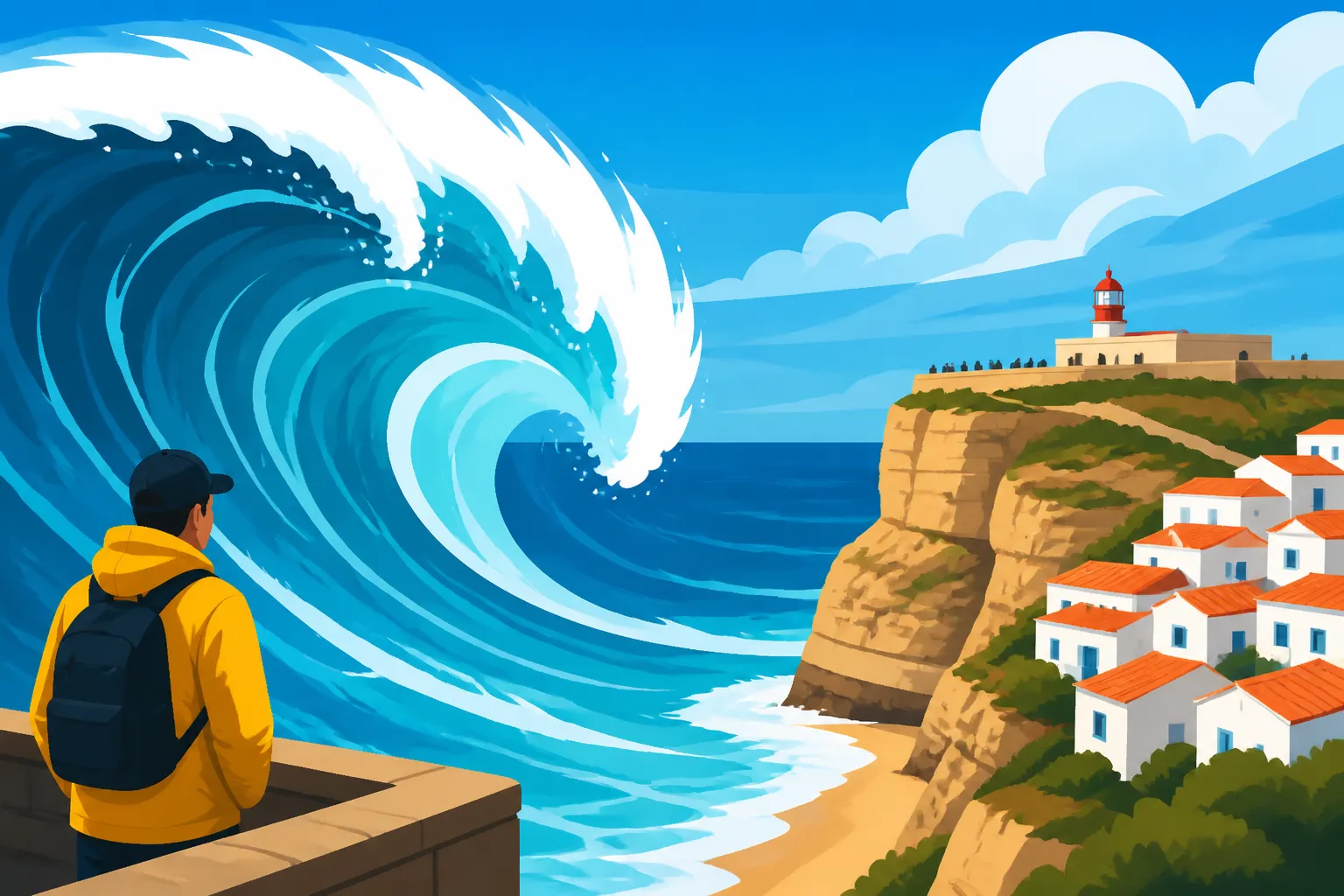
How to Visit Nazaré and Its Giant Waves
Dreaming of witnessing the legendary giant waves of Nazaré can often turn into a logistical headache, especially if you're not familiar with the local conditions and how to navigate this unique coastal town. Many expats and tourists arrive with high hopes, only to discover that timing is everything when it comes to seeing the truly monstrous swells that have captivated the surfing world. This guide will walk you through the very real challenges and best practices for visiting Nazaré, ensuring you maximize your chances of experiencing its awe-inspiring natural spectacle and understanding the charm of the town itself.
Timing Your Visit for the Giant Waves
Let's get one thing straight: you won't see the famous giant waves in Nazaré just any day of the year. This isn't a year-round attraction. The colossal waves that break at Praia do Norte are a natural phenomenon directly tied to specific weather conditions and ocean swells, primarily fueled by powerful Atlantic storms. Getting this wrong is the single biggest disappointment I hear from first-time visitors, and it's completely understandable. You travel all that way, imagine the epic spray, only to find tranquil waters.
When Nazaré Truly Comes Alive
The "big wave season" in Nazaré generally runs from October to March. During these months, the North Atlantic is active, generating the kind of powerful storms that send massive swells towards the Portuguese coast. However, even within this window, it's not a daily occurrence. The really epic days, where waves reach over 20 meters (65 feet) and attract professional big-wave surfers from around the globe, are few and far between.
Think of it like this: you need a perfect storm, both figuratively and literally. A deep ocean canyon, the Nazaré Canyon, amplifies these swells, creating the unique conditions that make these waves possible. But this amplification only happens when the right kind of energy from the deep ocean hits the coastline at the right angle and intensity.
Predicting the Unpredictable
Forecasting these giant wave events is an art and a science. Even the best forecasters can only predict them a few days in advance with reasonable certainty. It's a game of patience and flexibility. If your primary goal is to see the giant waves, you'll need to monitor surf forecasts specifically for Nazaré's Praia do Norte. Websites like Magicseaweed, Surfline, or Nazaré Waves are your best friends. Look for forecasts predicting very large swell heights (typically over 4-5 meters, but much higher for truly giant days) and long wave periods (over 15-18 seconds). Keep an eye on local news outlets and the official Nazaré tourism pages too, as they often announce when major swells are expected.
Many people choose to stay flexible, booking accommodation a few days out once a promising swell appears on the horizon. This isn't always easy, especially during peak season, but it significantly increases your chances. If you're coming from Lisbon or Porto, being able to make a last-minute day trip decision is key. Otherwise, you risk the disheartening experience of arriving to flat, albeit beautiful, waters.
What to Expect Outside Peak Season
If you visit Nazaré outside the October to March window, say during the summer months from April to September, you'll still find a charming coastal town. The main beach, Praia da Nazaré, will be bustling with sunbathers and swimmers, the seafood restaurants will be fantastic, and the atmosphere will be lively. You'll still get to visit the iconic Farol de Nazaré (lighthouse) and the Sítio viewpoint, but the dramatic, thunderous waves that put Nazaré on the world map simply won't be there.
It's a different kind of beauty, a calmer, more relaxed vibe, perfect for a traditional Portuguese beach holiday. Just manage your expectations; the Instagram-worthy giant waves are a winter phenomenon.
Getting to Nazaré: Transport Options Explained
Nazaré is relatively well-connected, but getting there efficiently depends on where you're coming from in Portugal. For many expats living in Lisbon or Porto, it’s a manageable day trip, or an overnight stay if you really want to soak it all in.
By Car: The Most Flexible Option
Driving is arguably the most convenient way to reach Nazaré, offering the ultimate flexibility, especially if you're chasing those elusive giant waves. The town is located about 120 kilometers (75 miles) north of Lisbon, and roughly 210 kilometers (130 miles) south of Porto.
- From Lisbon: Take the A8 highway north. The drive typically takes about 1 hour and 30 minutes to 2 hours, depending on traffic. The roads are excellent, mostly toll roads, so ensure you understand how to use the Portuguese toll system. If you're renting a car, ask about the Via Verde electronic toll transponder, which makes life much easier.
- From Porto: Take the A1 highway south, then connect to the A8. This journey usually takes around 2 to 2.5 hours. Again, expect tolls.
Once you arrive in Nazaré, parking can be a bit of a challenge, especially on big wave days or during peak summer. There are paid parking lots near the beach and at the Sítio, but they fill up quickly. Be prepared to walk a bit or use local transport options once you're in town. During massive wave events, access roads to the Farol may even be temporarily closed for safety, requiring you to park further away and walk. This is where local knowledge or checking municipal announcements becomes invaluable.
By Bus: A Practical and Affordable Choice
For those without a car, the bus system in Portugal is incredibly efficient and a great way to reach Nazaré. Rede Expressos is the main intercity bus company.
- From Lisbon: Buses depart frequently from Sete Rios bus terminal. The journey takes approximately 1 hour and 50 minutes, making it a very viable day trip option. I've often seen people use
Omioto compare bus and train options, which is handy for finding the best times and prices. You can book your tickets online in advance, which is highly recommended, especially during popular times or when a big swell is predicted. - From Porto: Buses also run from Porto, though less frequently and with a longer journey time, usually around 3 to 4 hours.
The bus terminal in Nazaré is conveniently located near the town center, just a short walk from the main beach and many guesthouses. From there, you can easily catch the Ascensor (funicular) up to the Sítio to reach the lighthouse.
By Train: Less Direct, More Scenic (Sometimes)
While Portugal has a decent train network, reaching Nazaré directly by train isn't as straightforward as taking the bus. There is no direct train station in Nazaré itself. The closest train station is Valado dos Frades, which is about 6 kilometers (3.7 miles) inland. From Valado dos Frades, you'd need to take a local bus or a taxi to get to Nazaré. This multi-leg journey usually makes the bus a more practical choice for most visitors. However, if you enjoy the scenic routes or prefer train travel, it's an option, albeit a less direct one. You can use platforms like Omio to check train schedules and connections, but often you'll find the bus offers better value and convenience for this particular destination. For broader travel insights, you might find our guide on Public Transport and Driving in Portugal: Trains, Tolls, and Licenses useful.
Organized Tours: The Stress-Free Approach
If you're staying in Lisbon and don't want to deal with the logistics of renting a car, navigating tolls, or figuring out bus schedules, an organized tour can be a fantastic option. Many tour operators offer day trips from Lisbon that include Nazaré, often combined with visits to other nearby historical sites like Óbidos, Alcobaça, or Fátima.
These tours typically handle all transportation, often include a guide who can provide local insights, and take you directly to the best viewing spots. This is especially appealing on big wave days when parking and crowds can be overwhelming. You can easily find and book such excursions through platforms like GetYourGuide. This takes the guesswork out of the trip, allowing you to relax and enjoy the scenery, especially after a long week of work or exploring Lisbon.
Best Viewing Spots and Safety Tips
When those giant waves are roaring, Nazaré transforms into a spectacle. Knowing where to go and, more importantly, how to stay safe, is paramount. The raw power of the ocean here is mesmerizing but unforgiving.
The Iconic Farol de Nazaré (Lighthouse) and Forte de São Miguel Arcanjo
Without a doubt, the prime viewing spot is the area around the Farol de Nazaré, which is part of the Forte de São Miguel Arcanjo, perched high above Praia do Norte. This is where you'll get those iconic shots of the waves crashing against the cliffs and, if you're lucky, the tiny specks that are surfers riding mountains of water.
The lighthouse itself houses a small but fascinating museum dedicated to the big wave phenomenon, showcasing surfboards of famous riders and explaining the science behind Nazaré's unique waves. There are several viewing platforms around the fort. Be aware that during major events, this area gets incredibly crowded. Expect queues to enter the fort and jostle for a good spot along the railings. Despite the crowds, the atmosphere is electric, shared among awe-struck spectators.
To get to the Farol from Nazaré town, you have a few options:
- Ascensor de Nazaré (Funicular): This historic funicular connects the lower town (Praia) with the upper town (Sítio). It's a quick, scenic ride and highly recommended. From the Sítio station, it's about a 15-20 minute walk to the lighthouse, with stunning views along the way.
- Walking: If you're feeling energetic, you can walk up to the Sítio. It's a steep climb but offers great vistas.
- Local Bus/Taxi: In peak season or on big wave days, local buses often run routes up to the Sítio, or you can grab a taxi. Ridesharing apps like Bolt or Uber operate in the area, offering another convenient way to get around if your phone number is linked correctly to your account.
Other Vantage Points
While the lighthouse is the star, other spots offer different perspectives:
- Miradouro do Sítio: Just a short walk from the funicular station, this viewpoint offers panoramic views of Nazaré's main beach, Praia da Nazaré, and the town below, as well as a distant view towards Praia do Norte. It's beautiful, but for direct big wave action, the lighthouse is superior.
- Praia do Norte Beach: Only for the adventurous and absolutely not recommended for casual viewing during giant wave events. The beach itself is usually closed off for safety during big swells due to the extreme danger. The waves are powerful, and rogue waves can surge far up the beach. Never underestimate the ocean's power.
Safety First: Non-Negotiable Rules
I cannot stress this enough: respect the ocean. The waves at Nazaré are deadly.
- Stay Behind Barriers: Always, always remain behind any ropes, fences, or marked safety zones. These are there for your protection. One rogue wave could easily sweep you away from the cliffs or beach.
- Listen to Authorities: Local police (GNR) and civil protection (Proteção Civil) officials will be present during major swells. Follow their instructions without question. They know the risks.
- Watch for Rogue Waves: Even from what seems like a safe distance, large waves can generate surges that travel much further than you'd expect. Keep an eye on the ocean at all times.
- Dress Appropriately: Nazaré in winter can be windy and chilly, especially near the exposed cliffs. Dress in layers, wear a windbreaker, and bring sturdy, non-slip shoes. The ground can be wet and slippery.
- Protect Your Gear: If you're bringing a camera or phone, keep it secure. The salt spray from the waves can travel surprisingly far and damage electronics.
When it comes to accommodation, if you plan to stay overnight to catch multiple wave-watching opportunities or just to relax in town, Booking.com is a reliable platform. Staying a night or two allows you to immerse yourself fully, perhaps even trying a few of the excellent seafood restaurants after the crowds thin out.
Beyond the Waves: What Else to Do in Nazaré
While the giant waves are undeniably the main draw, Nazaré has a rich culture and history that's worth exploring, even if the ocean is calm. It’s a town with deep fishing traditions, vibrant local life, and stunning views.
Explore Sítio and the Santuário de Nossa Senhora da Nazaré
The Sítio, the upper part of Nazaré accessed by the funicular, isn't just home to the lighthouse. It's a charming neighborhood in its own right. The Santuário de Nossa Senhora da Nazaré, a beautiful church, is a focal point, drawing pilgrims for centuries. Legend has it that the Virgin Mary intervened to save a nobleman from falling off the cliff here in the 12th century. The interior is richly decorated, and it's a peaceful contrast to the exhilarating energy of the waves.
Walk around the Sítio, browse the local souvenir shops, and take in the magnificent views from the Miradouro do Sítio. You'll often see local women, known as "sete saias" (seven skirts), dressed in traditional layered skirts, drying fish or selling local handicrafts. This is a living tradition, a window into the town's enduring cultural identity.
Indulge in Fresh Seafood and Local Delicacies
Nazaré is a fishing town, and its culinary scene reflects that. Fresh seafood is king here, and you'd be remiss not to indulge.
- Grilled Fish (Peixe Grelhado): Simple, fresh, and perfectly grilled. You can often choose your fish directly from a display.
- Caldeirada: A rich and flavorful fish stew, often made with a variety of local catches, potatoes, and vegetables.
- Seafood Rice (Arroz de Marisco): A Portuguese classic, packed with prawns, clams, mussels, and other treasures from the sea.
- Sardinhas Assadas: If you visit in summer, grilled sardines are a must-try.
- Peixe Seco (Dried Fish): A unique Nazaré tradition. You'll see racks of fish drying in the sun near the beach, a testament to traditional preservation methods. Try some if you're feeling adventurous!
Many excellent restaurants line the beachfront promenade or are tucked away in the narrow streets. Don't be afraid to wander a bit to find a local gem. Understanding Portuguese Coffee Culture and Restaurant Etiquette: Ordering Like a Local can enhance your dining experience.
Relax on Praia da Nazaré
The main beach, Praia da Nazaré, is a wide, crescent-shaped stretch of golden sand, perfect for a leisurely stroll, sunbathing (in warmer months), or simply watching the fishing boats come and go. In summer, it’s a vibrant family beach. Even in winter, a walk along the promenade offers a refreshing perspective on the town and the Atlantic.
Visit the Dr. Joaquim Manso Ethnographic and Archaeological Museum
For those interested in the town's history and traditions, this museum, located in the Sítio, offers a deep dive into Nazaré's fishing heritage, local costumes, and archaeological finds from the region. It's a quiet, informative stop that helps contextualize the unique culture of Nazaré.
Day Trips to Nearby Attractions
If you have more time, Nazaré's central location makes it a great base for exploring other fascinating sites in Central Portugal.
- Óbidos: A perfectly preserved medieval walled town, just a 30-minute drive away.
- Alcobaça Monastery: A UNESCO World Heritage site, home to the tombs of star-crossed lovers Pedro and Inês.
- Batalha Monastery: Another magnificent UNESCO World Heritage site, a masterpiece of Gothic architecture.
- Fátima: One of the most important Catholic pilgrimage sites in the world.
These destinations offer a rich blend of history, culture, and stunning architecture, providing a great balance to the natural drama of Nazaré's waves. Our Cost of Living in Portugal 2026: Detailed Budgets for Singles and Families might help you plan your travel expenses, including day trips.
Staying Overnight in Nazaré
While many visit Nazaré as a day trip, especially from Lisbon, staying overnight offers a more relaxed experience and better chances of catching the waves if they materialize on consecutive days. Accommodation options range from charming guesthouses and family-run hotels to modern apartments.
Types of Accommodation
- Hotels: You'll find a variety of hotels, from budget-friendly options to more upscale choices, many with ocean views. Look for places along the beachfront promenade or in the Sítio for the best vistas.
- Guesthouses (Alojamento Local): These are often more intimate and offer a taste of local hospitality. They can be found throughout the town and in the Sítio.
- Apartments/Vacation Rentals: If you're traveling with family or a group, renting an apartment can be a cost-effective and comfortable option, providing kitchen facilities and more space. Websites like
Booking.comare excellent for finding these types of accommodations, allowing you to filter by your preferences and budget.
Practical Tips for Overnight Stays
- Book in Advance: Especially if you're visiting during peak summer season or when a major swell is forecast, accommodation can fill up quickly. Booking ahead is always a good idea.
- Location Matters: Decide if you prefer being close to the main beach (Praia da Nazaré) with its bustling promenade and restaurants, or up in the Sítio for closer proximity to the lighthouse and more serene views. The funicular makes travel between the two areas easy.
- Check for Parking: If you're driving, verify if your accommodation offers parking or if public parking is available nearby. This can save you a lot of hassle.
An overnight stay allows you to experience Nazaré's quieter evenings, enjoy a leisurely dinner, and wake up refreshed, ready to check the surf conditions without the rush of a day trip. It’s also a great way to meet other travelers and expats, making your experience richer.
Planning Your Nazaré Adventure
Visiting Nazaré for its giant waves is an unforgettable experience, but it requires a bit more planning and flexibility than a typical Portuguese day trip. You're essentially chasing a natural phenomenon, which means you have to be ready to adapt.
Here's a quick summary to help you plan:
| Aspect | Recommendation | Notes |
|---|---|---|
| Best Time for Waves | October to March (winter) | Monitor surf forecasts (e.g., Magicseaweed, Surfline) a few days in advance. Look for large swells (>4m) and long periods (>15s). Flexibility is key. |
| Getting There | Car: Most flexible (1.5-2 hrs from Lisbon). Bus: Direct & affordable from Lisbon Sete Rios (approx. 2 hrs). Organized Tour: Stress-free option from Lisbon (via GetYourGuide). |
Train is less direct (to Valado dos Frades). Use Omio to compare transport options. Be mindful of tolls if driving. Parking in Nazaré can be challenging on busy days. |
| Viewing Spots | Farol de Nazaré (Lighthouse) / Forte de São Miguel Arcanjo, Miradouro do Sítio | Absolute best spot is the lighthouse area. Be prepared for crowds during major swells. Take the Ascensor (funicular) to Sítio. |
| Safety | CRITICAL: Stay behind barriers, obey authorities, watch for rogue waves. | The ocean is extremely dangerous during big wave events. Dress warmly and in layers for exposed cliff areas. |
| Beyond Waves | Sítio, Santuário, local seafood, Praia da Nazaré beach, Dr. Joaquim Manso Museum, day trips to Óbidos, Alcobaça, Batalha. | Enjoy the town's fishing culture and delicious fresh seafood. The Sítio offers history and panoramic views. For accommodation, Booking.com provides various options for overnight stays. |
Remember, even if the giant waves don't make an appearance during your visit, Nazaré itself is a captivating place. Its dramatic cliffs, traditional charm, and delicious food make it a worthwhile destination year-round. But for that truly epic, heart-stopping view of nature's raw power, keep an eye on those winter forecasts and be ready to embark on a thrilling coastal adventure!
Disclaimer
The information provided in this guide is for general informational purposes only and is subject to change. While we strive to keep the content up-to-date and accurate, Portugal's administrative rules, transport schedules, and natural phenomena can vary. Always verify current conditions, forecasts, and official regulations before making travel plans. Safety warnings regarding Nazaré's giant waves must be taken seriously; personal safety is paramount.