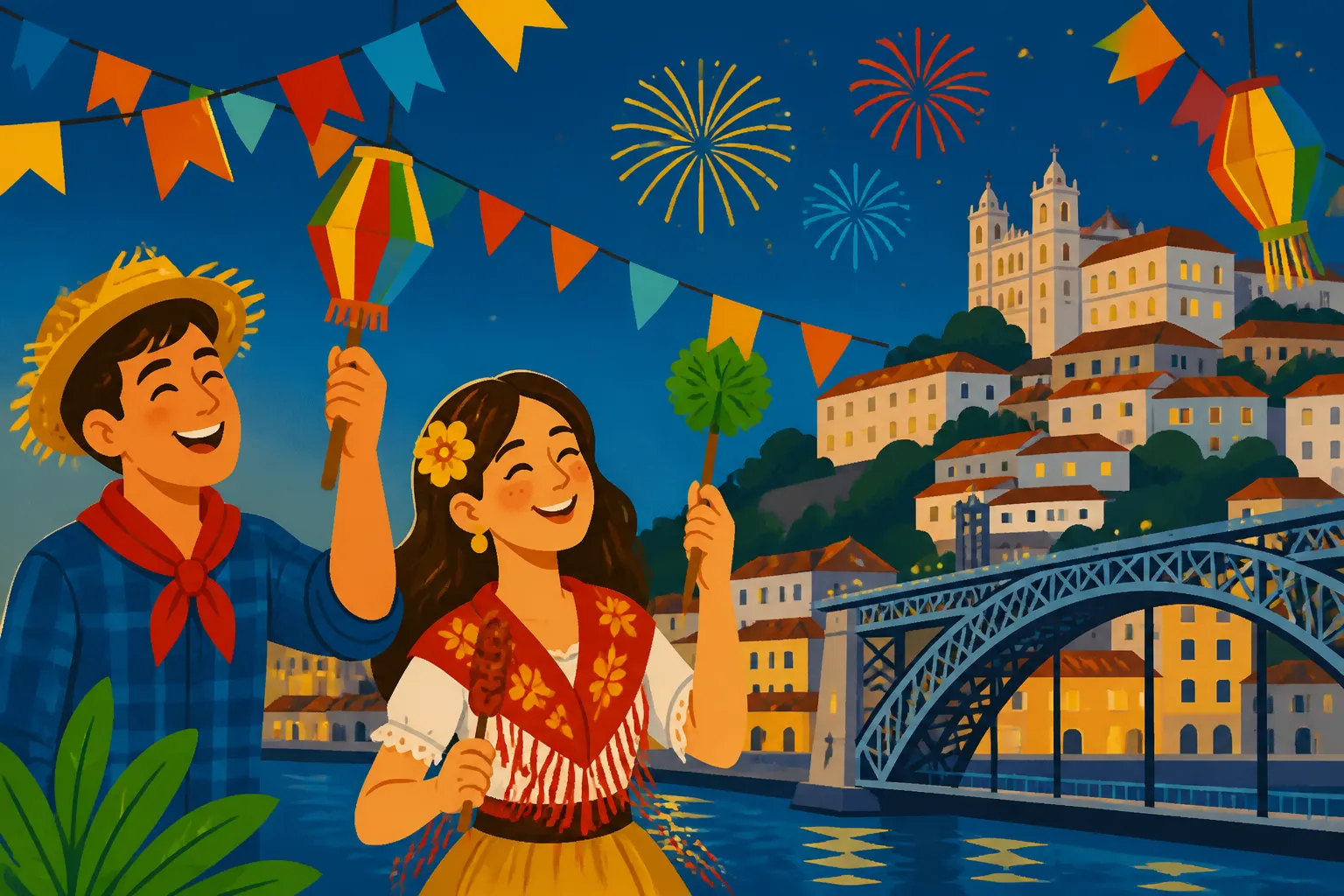
How to Celebrate São João in Porto
Disclosure: This article contains affiliate links. If you buy through them, we may earn a commission at no extra cost to you. Read our full disclosure.
You've heard the whispers, seen the blurry photos on social media, and perhaps even felt a slight tremor in the air as June approaches. São João in Porto isn't just a festival; it's an immersive, joyful, and utterly chaotic experience that can either overwhelm you or become one of your most cherished expat memories. This guide is here to cut through the hearsay, validate your anticipatory anxiety, and equip you with everything you need to plunge headfirst into Porto's wildest night, emerging (mostly) unscathed and utterly enchanted.
What Exactly is São João and Why Porto?
For us expats, understanding São João can feel a bit like trying to decipher an ancient, joyful ritual that everyone else inherently knows. You quickly learn it's not just another public holiday; it's the night in Porto, a celebration unlike any other in Portugal. It’s São João do Porto, and the city takes immense pride in making it an unforgettable spectacle.
More Than Just a Saint's Day: Historical Roots and Modern Flair
At its heart, São João celebrates Saint John the Baptist, observed annually on the night of June 23rd leading into June 24th. But let's be real, this festival has roots stretching far deeper, entwined with ancient pagan traditions celebrating the summer solstice, fertility, and abundance. Think bonfires, leaping over flames, and invoking good fortune – practices that still subtly echo in the modern festivities.
What makes Porto's São João distinct from celebrations in other Portuguese cities like Lisbon (which has its own Santo António parties in Alfama) is its unique blend of traditional piety and unrestrained revelry. While there are religious processions, the overwhelming atmosphere is one of street party, communal feasting, and playful mayhem. It’s a night where the city sheds its usual reserved demeanor and embraces pure, unadulterated joy. For newcomers, this sudden explosion of noise, color, and good-natured chaos can be quite a cultural shock, but it’s precisely what makes it so special. You might feel a little out of your depth at first, but trust me, by the end of the night, you’ll be caught up in the magic.
The Iconic Symbols: Plastic Hammers, Garlic Flowers, and Hot Air Balloons
Walking through Porto in the days leading up to São João, you’ll notice vendors popping up everywhere, hawking peculiar items. These aren’t just souvenirs; they are the essential tools of São João revelry.
Firstly, the plastic hammer ( martelinho). Oh, these little plastic wonders! They're light, they squeak, and they are your primary weapon for friendly interaction. The tradition is to playfully tap people on the head as you pass them by. Don't take it personally – it’s a gesture of good luck and camaraderie, a way of saying "Happy São João!" without having to yell over the music. You'll quickly learn to embrace the rhythmic thwack-thwack-thwack that fills the air. It’s loud, it’s silly, and it’s genuinely fun once you get into the spirit. You simply must get one; you'll feel like an outsider if you don't!
Then there are the garlic flowers (alho-porro) and basil pots (manjericos). These fragrant plants are another ancient tradition. The garlic flowers, pungent and symbolic of good fortune, are often waved in people's faces (again, good-naturedly!). The basil pots, often adorned with a paper flower and a little poem, are given as gifts, particularly between lovers or friends. Their strong, sweet scent is supposed to protect and bring prosperity. These traditional elements remind you that amidst the modern party, the old ways are still very much alive. It’s a sensory overload in the best possible way: the smell of grilled sardines, the sound of hammers, and the scent of basil all mixing in the night air.
Finally, the hot air balloons (balões de São João). As darkness falls, look up! Thousands of small, paper hot air balloons, lit by a tiny flame, are released into the night sky. Watching them ascend, flickering against the dark canvas, is genuinely breathtaking. Each balloon carries a wish or a prayer, slowly drifting upwards, creating an ethereal, magical spectacle. It’s a beautiful, collective moment of wonder that briefly silences the hammers and fills you with a sense of awe. Just be mindful of where you release them, as they can be a fire hazard if not handled correctly.
Embracing the Madness: Your Step-by-Step Guide to São João Night
Navigating São João for the first time can feel like being dropped into a friendly riot without a map. But with a little preparation and the right mindset, you can turn potential stress into pure joy. This isn't a night for meticulous planning, but rather for embracing spontaneity with a few strategic anchors.
Before the Party Starts: Essential Gear and Early Bird Strategies
First things first: accommodation. If you're coming from outside Porto, or even just plan to stay downtown, securing your sleeping arrangements well in advance is paramount. Hotels, guesthouses, and apartments book up months ahead, and prices soar. Platforms like Booking.com are your best bet, but be prepared for limited availability and higher costs if you leave it to the last minute. This isn't the kind of festival where you can just wing it and expect to find a cheap place to crash. Many expats who live slightly outside the city center even consider booking a spot in Baixa or Ribeira just to avoid the transport nightmare back home.
Next, your wardrobe and footwear. This is not a night for heels or fancy dress. You'll be walking, dancing, and standing for hours on cobblestones. Comfortable, sturdy shoes are non-negotiable. Think sneakers, sandals, or walking shoes – anything that can handle crowds and potentially spilled vinho verde. Dress in layers; June evenings can start warm but cool down, especially by the river. A light jacket or cardigan is always a good idea.
Now for the supplies! Head to a local supermercado or street vendor a day or two before to grab your plastic hammer and a manjerico (basil plant). You'll see them everywhere. If you're planning to grill your own sardines (which is highly recommended for a truly local experience), pick up some charcoal, a small portable grill, and your fresh fish. Many smaller, independent shops or mercados will have better quality, freshly caught sardines than the larger chains like Continente or Pingo Doce, as discussed in our guide to Grocery Shopping in Portugal: Continente, Pingo Doce, Auchan, and Mercados. Don’t forget some bread and a bottle (or two) of vinho verde! Having your own supplies lets you join in the impromptu street parties that pop up everywhere.
Finally, have a meeting point with your friends. Cell service can be spotty with so many people, and navigation apps might struggle. A designated meeting spot, like a specific statue in Aliados or a distinct landmark in Ribeira, is a lifesaver if you get separated.
Where to Immerse Yourself: From Ribeira's Pulse to Fontainhas' Charm
Porto transforms entirely for São João, but different neighborhoods offer distinct vibes. Choosing where to spend your night depends on the experience you're after.
The undeniable heart of the festival, and the place most tourists flock to, is Ribeira. The riverside district comes alive with thousands of people, street food stalls, live music, and an electrifying atmosphere. This is where you'll find the largest crowds and the most intense energy. The main event here is the fireworks display over the Douro River, usually around midnight. It's spectacular, lighting up the iconic bridges and the riverbanks. Be warned: finding a good vantage point requires arriving very early, and the crowds can be truly dense. If you thrive on being in the thick of it, this is your spot. Just be prepared for shoulder-to-shoulder movement and a sensory overload.
For a more traditional, slightly less touristy (though still busy) experience, head towards Fontainhas. This area is famous for its grilled sardines and the more authentic, neighborhood feel. Locals set up grills outside their homes, filling the air with the irresistible aroma of charcoal-grilled fish. You'll find long tables spilling out onto the streets, communal eating, and a sense of genuine community. It's a fantastic place to mingle with Portuguese families and experience São João much as it has been celebrated for generations. The atmosphere here is often more focused on food and family, though still incredibly festive.
If you're looking for a younger, more energetic party scene, the area around Avenida dos Aliados and the broader Baixa district is your go-to. Live concerts often take place here, attracting a vibrant crowd ready to dance the night away. It's a bit more "modern festival" than traditional, with DJs, pop music, and a strong sense of youthful exuberance. Many expats find themselves gravitating here because of the sheer infectious energy and the accessibility to bars and clubs.
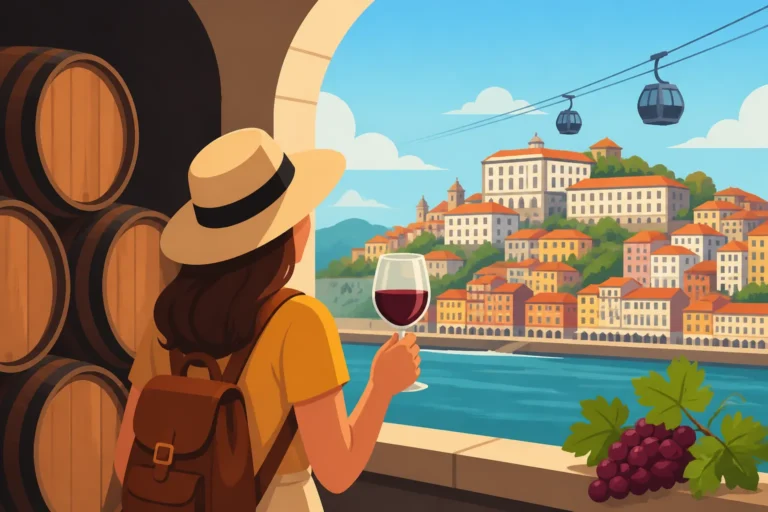
For the absolute best view of the fireworks without battling the Ribeira crowds, consider crossing the Luís I Bridge into Vila Nova de Gaia. The cais (quay) on the Gaia side offers an unparalleled panorama of Porto's skyline and the river, making it perfect for watching the midnight spectacle. While it's still crowded, it's often a slightly more relaxed vibe than Ribeira itself. You can even book a spot at one of the port wine lodges with a view for a more exclusive (and expensive) experience. For those looking to make the most of their visit and ensure they hit the best spots, exploring options on platforms like GetYourGuide can reveal pre-booked experiences or guided tours that take the guesswork out of where to be. If you're pondering which side of the river might suit your long-term expat life, our Porto Neighborhood Guide: Where to Live for Culture, Tech, and Family delves into the different vibes of the city.
A Culinary Journey: Savoring the Flavors of São João
São João is as much a feast for the stomach as it is for the senses. The air itself is thick with the scent of delicious Portuguese traditions.
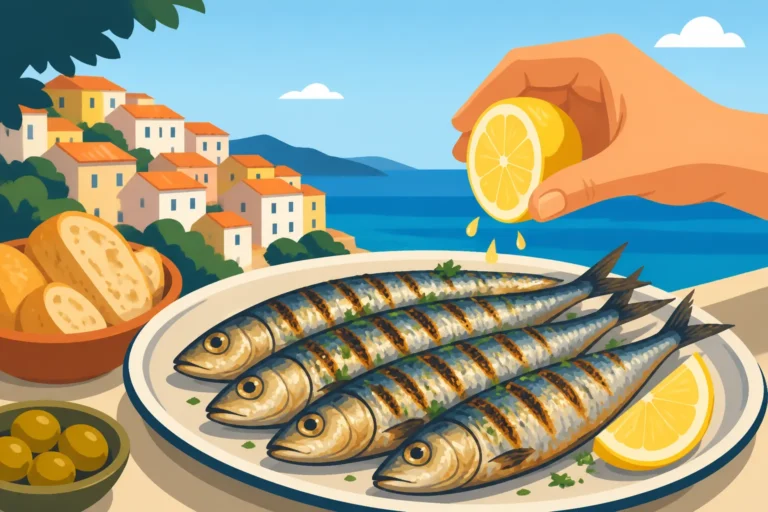
The undisputed king of São João cuisine is the grilled sardine (sardinhas assadas). Everywhere you go, you'll see makeshift grills blazing, sending plumes of fragrant smoke into the night. These aren't your delicate, boneless fillets; these are whole, glistening sardines, fresh from the Atlantic, grilled to perfection and served on a slice of rustic bread. Eating them is a hands-on affair, bones and all, often with a glass of crisp, effervescent vinho verde. It’s messy, it’s authentic, and it’s absolutely essential. The tradition dictates they are eaten with bread, which soaks up the delicious juices. Don’t hesitate to buy them from a street vendor – it's part of the experience.
Another staple is caldo verde, a hearty Portuguese kale soup. It’s comforting, often served with a slice of chouriço (smoked sausage), and provides a much-needed grounding amidst the rich food and drinks. It's surprisingly refreshing after all the sardines and acts as a wonderful midnight snack or late-night restorative. You’ll find stalls selling it hot throughout the night.
Beyond the classics, expect an array of other traditional treats. Pimentos padrón (small grilled peppers), roasted peppers, and broa de milho (cornbread) are common accompaniments. For those with a sweet tooth, keep an eye out for bolo de São João, a sweet, spiced bread, and other festive pastries. Wash it all down with plenty of cold beer or, as mentioned, vinho verde, which flows freely and pairs perfectly with the salty grilled fish. This isn't the night for elaborate, sit-down dining in a fancy restaurant; it's about street food, communal tables, and embracing the flavors that fill the air, a stark contrast to the more formal Portuguese Coffee Culture and Restaurant Etiquette: Ordering Like a Local you might experience on a regular day.
Navigating the Aftermath: Practicalities and Post-Party Survival
The energy of São João is infectious, but as an expat, understanding the practicalities of a night of such intense celebration is crucial. From getting home to staying safe, a little foresight goes a long way.
Getting Around: The São João Transport Challenge
Let's not sugarcoat it: transportation on São João night is a beast. The city essentially shuts down for cars in the main party areas. Trying to drive will be an exercise in futility, and parking will be non-existent.
Public transport like the Metro and buses often run extended, but still limited, schedules. Expect them to be absolutely packed, especially around midnight and in the early hours of the morning. Standing-room-only is the norm, and even then, you might struggle to squeeze in. Check the STCP (bus) and Metro do Porto websites for specific São João timetables in the days leading up to the festival, but assume delays and diversions. Remember, this is a city-wide party, so the entire network will be under pressure. Our general guide to Public Transport and Driving in Portugal: Trains, Tolls, and Licenses covers the usual operations, but São João is an exception to almost every rule.
Taxis and ride-sharing apps (Bolt, Uber)? Forget about immediate availability. Surge pricing will be astronomical, and finding a driver willing or able to navigate the chaotic streets will be a Herculean task. If you absolutely need a ride, be prepared to wait a very long time and pay significantly more than usual. Many locals simply budget for walking home, sometimes for miles, as part of the São João experience.
The best advice is to walk. Plan your night so you don't have to travel vast distances, or be prepared for a long, festive walk back to your accommodation. It’s part of the São João pilgrimage, really – walking along the river in the pre-dawn hours, passing other weary but happy revelers. If you're coming to Porto specifically for the festival from another city, be sure to book your train or bus tickets well in advance using platforms like Omio for intercity travel, as those will also be very busy.
Staying Safe: Tips for a Festive Night Out
While São João is overwhelmingly a joyful and good-natured festival, crowds always bring their own set of challenges. As an expat, being mindful of your surroundings is always a good idea.
Pickpocketing can be an issue in highly congested areas like Ribeira, especially during the fireworks. Keep valuables to an absolute minimum. A small bag worn across your body, or better yet, a secure fanny pack under your jacket, is preferable. Leave your passport and excessive cash at home. Just carry a copy of your ID, enough cash for the night, and perhaps one card. Losing your phone or wallet amidst the revelry can quickly sour an otherwise fantastic night. Our guide on Safety and Emergency Preparedness in Portugal for Foreign Residents offers more general advice, but for São João, heightened awareness is key.
Alcohol flows freely, and while the atmosphere is festive, be aware of your own limits and those around you. You'll see people having a lot of fun, but responsible drinking ensures you remember the good times.
If you find yourself feeling overwhelmed by the crowds or the noise, don't hesitate to step aside to a quieter street for a few moments. Porto has plenty of side alleys where you can catch your breath. And remember, the plastic hammers are for playful tapping. If someone is being genuinely aggressive or repeatedly bothering you, calmly move away. The vast majority of people are simply out to have a good time, but vigilance is always wise.
The Dawn Patrol: Praia da Foz and the Aftermath
One of the most cherished traditions of São João, especially for those who’ve truly embraced the night, is the walk to Praia da Foz at dawn. As the sun begins to peek over the horizon on June 24th, thousands of people, still buzzing from the night's festivities, begin a slow pilgrimage towards the ocean. They gather on the beaches of Foz do Douro and Matosinhos, sometimes taking a dip in the chilly Atlantic waters, or simply watching the sunrise. It's a symbolic cleansing, a refreshing end to the long, exhilarating night. It’s a beautiful moment of shared experience, a quiet counterpoint to the raucous party that preceded it.
By mid-morning on June 24th, Porto awakens to a city remarkably clean. The dedicated municipal teams work through the night and early morning to clear the streets of debris, plastic hammers, and sardine bones. It’s an incredible feat of civic organization, and the city quickly returns to its charming, historic self, almost as if the wild party never happened. Many shops and businesses will be closed on June 24th, a well-deserved rest day after the city's biggest party.
| Tradition / Activity | Typical Time | Location(s) | Significance / Notes |
|---|---|---|---|
| Street Festivities | June 23rd (evening) | Ribeira, Fontainhas, Baixa, Cedofeita, Miragaia | Music, dancing, communal eating, hammer tapping. |
| Grilled Sardines | June 23rd (all night) | Everywhere, especially Fontainhas | Essential street food, served with bread and vinho verde. |
| Hot Air Balloons | June 23rd (after dark) | Throughout the city | Thousands of paper balloons released into the sky, carrying wishes. |
| Midnight Fireworks | June 24th (approx. 00:00) | Douro River (view from Ribeira or Gaia) | Grand spectacle over the river, highly crowded. |
| Walk to Foz | June 24th (pre-dawn) | From city center towards Foz do Douro beaches | Traditional pilgrimage to see the sunrise and refresh. |
| Hammer Tapping | June 23rd (all night) | Everywhere | Playful gesture of good luck and camaraderie. |
| Manjericos & Garlic | June 23rd (all night) | Sold by vendors, given as gifts | Basil (love/luck) & garlic (fortune), wafted in faces. |
São João in Porto is not for the faint of heart, but it is an experience that truly defines the spirit of this incredible city and its people. Embrace the noise, the smells, the crowds, and especially the friendly taps on the head. You'll leave with fantastic stories, a full belly, and a deep appreciation for Porto's unique way of celebrating.
Disclaimer
The information provided in this guide is for general informational purposes only and is subject to change. While we strive to provide accurate and up-to-date details, specific event timings, transportation schedules, and local regulations for São João can vary from year to year. Always check official local sources closer to the date of the festival for the most current information. Celebrating São João involves large crowds and festive conditions, so personal safety and awareness are always advised.