Living on the Silver Coast and Central Portugal
Disclosure: This article contains affiliate links. If you buy through them, we may earn a commission at no extra cost to you. Read our full disclosure.
Ah, the Silver Coast and Central Portugal! Many expats arrive in Portugal starry-eyed, only to get a bit overwhelmed by the hustle and bustle, not to mention the escalating costs, of Lisbon and Porto. If you’ve found yourself wondering if there’s a more authentic, perhaps calmer, slice of Portugal out there, you’re not alone. This guide is for all of you who are looking beyond the usual hotspots and craving a deeper connection with Portuguese life, without breaking the bank.
Discovering the Charm of Portugal's Silver Coast and Central Regions
For years, the spotlight has shone brightly on Lisbon and Porto, drawing in a massive influx of expats and tourists alike. While these cities are undeniably vibrant, many newcomers quickly realize that the cost of living, the relentless pace, and the sheer volume of foreigners might not align with their vision of an idyllic Portuguese life. This is precisely where the Silver Coast (Costa de Prata) and the broader Central Portugal region step in, offering a compelling alternative that truly captures the heart of the country.
Why Expats Choose These Regions: Affordability and Authenticity
The primary draw for many expats turning their gaze to the Silver Coast and Central Portugal is a potent combination of affordability and an authentic Portuguese experience. Unlike the increasingly internationalized urban centers, these regions offer a chance to immerse yourself in traditional Portuguese culture, where daily life unfolds at a more relaxed pace. Imagine strolling through a local market, hearing Portuguese spoken all around you, and being recognized by the owner of your favorite pastelaria. This isn't just a fantasy here; it's a daily reality for many.
Financially, the difference is often stark. Rental prices, property purchase costs, and even everyday expenses like groceries and dining out are noticeably lower than in Lisbon or Porto. For instance, a spacious apartment that would cost a fortune in the capital might be perfectly within reach in a charming Silver Coast town like Caldas da Rainha, known for its thermal baths and ceramics, or Nazaré, famous for its giant waves and fishing traditions. Further inland, towns like Leiria or Coimbra, with its historic university, offer even greater value, allowing your savings or pension to stretch considerably further. This affordability isn't just about saving money; it's about enabling a higher quality of life, where you can afford more space, more experiences, and perhaps even to work less and enjoy more. Many seek this balance, a life where they aren't constantly battling urban congestion or competing for basic services. It’s about finding a place where you can breathe, truly relax, and build a meaningful life without the constant pressure of a big city.
A Diverse Landscape for Every Lifestyle
Beyond the economic advantages, the Silver Coast and Central Portugal boast an incredible diversity of landscapes and lifestyles, catering to almost any preference. This isn't a monolithic region; it's a tapestry woven with different threads, each offering its own unique flavor. If your dream involves waking up to the sound of waves, the Silver Coast delivers with its extensive coastline. Towns like Peniche are meccas for surfers, while others like Foz do Arelho offer tranquil lagoons perfect for families and watersports. The coastal stretches are punctuated by dramatic cliffs, expansive sandy beaches, and charming fishing villages that cling to the shore.
Moving inland, the landscape transforms dramatically. You'll find vast pine forests, like those surrounding Leiria and Ourém, offering endless opportunities for hiking and nature immersion. Venture further east, and the terrain becomes more rugged, leading to the majestic Serra da Estrela mountain range – Portugal's highest continental peak. Here, you can experience cooler temperatures, genuine winter snow, and stunning alpine scenery, a stark contrast to the sun-drenched coast. Between the coast and the mountains lie fertile valleys, rich agricultural lands, and historic towns nestled amidst rolling hills. Places like Tomar, with its Knights Templar castle, or Aveiro, often called the "Venice of Portugal" with its canals and colorful moliceiro boats, showcase different facets of Portuguese heritage. Whether you yearn for the salty air of the Atlantic, the peaceful solitude of a mountain retreat, or the cultural richness of a historic city, Central Portugal likely has a spot that feels just right. This geographical variety also means a slightly varied climate, with coastal areas enjoying milder winters and sea breezes in summer, while inland regions can experience hotter summers and colder winters.
Finding Your Home: Renting and Buying on the Silver Coast and Central Portugal
Once you've fallen for the charm of Portugal's central regions, the next big step is finding a place to call home. This journey can be an adventure in itself, whether you're looking to rent for a while or dive straight into property ownership. It requires patience, a bit of research, and an understanding of the local market nuances.
Navigating the Rental Market: From Coastal Flats to Country Homes
Renting in Portugal, especially outside the major cities, can be a different experience than what you might be used to. One of the primary hurdles for many expats is the concept of a fiador, or guarantor. Many landlords will require a Portuguese guarantor, which can be tricky for newcomers without established local connections. Don't despair, though. While some landlords are rigid, others are open to alternatives, such as paying several months' rent upfront (often 3-6 months, sometimes more) or providing a larger security deposit. It’s crucial to clarify these expectations early in your search. For those looking for verified listings and potentially easier communication, platforms like Spotahome can be a real asset. They often cater to an international clientele and may have options that don't require a fiador or offer clearer rental terms.
When searching for rental properties, you’ll encounter terms like T0, T1, T2, and so on. This refers to the number of bedrooms: T0 is a studio, T1 has one bedroom, T2 has two, and so forth. Be prepared for less central heating than you might expect, particularly in older properties, so inquire about heating solutions when viewing. While you might find apartments in bustling coastal towns like Peniche or Figueira da Foz, many expats also seek out detached houses or quintas (farms) in more rural settings, offering more space and tranquility. Rental prices are significantly more appealing than in Lisbon or Porto. For example, a comfortable T2 apartment in a pleasant town like Leiria might be available for €600-€800 per month, whereas a similar property in Lisbon could easily command double that. Always ensure you have a formal written lease agreement, or Contrato de Arrendamento, and that it is registered with Finanças. This protects your rights as a tenant. You can learn more about this in our guide on Renting an Apartment in Portugal: Contracts, Fees, and Tenant Rights and for a deeper dive, check out Portuguese Lease Contracts (Contrato de Arrendamento): What to Look For.
Property Ownership: A Dream Within Reach?
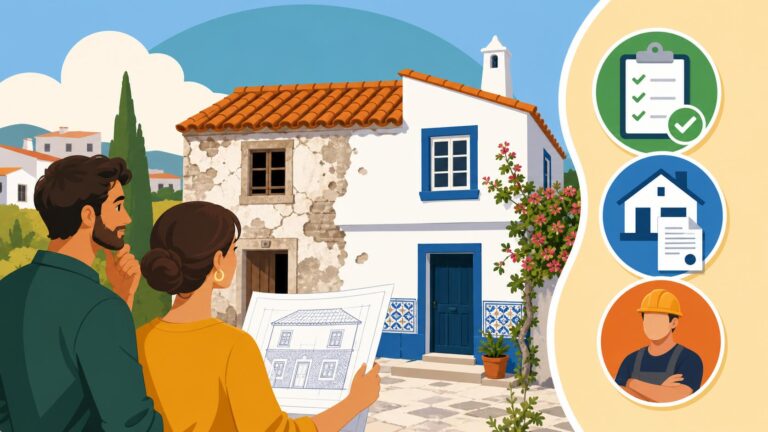
For many, the dream of owning a piece of Portugal is more attainable on the Silver Coast and in Central Portugal than in the competitive urban markets. Property prices, while rising, still offer excellent value, especially if you're willing to consider a renovation project. However, the buying process can be complex, and having the right professional guidance is paramount. It’s highly recommended to engage an independent real estate lawyer or solicitador (legal professional) who represents your interests, not the seller's or the real estate agent's. They will conduct due diligence, ensure all documents are in order, and guide you through the legalities.
You’ll need to factor in various costs beyond the property price itself, including property transfer tax (IMT), stamp duty (Imposto do Selo), and legal and notary fees. These can add a significant percentage to the overall cost, so budget accordingly. Older homes, particularly in charming villages, often come with immense character but might require substantial renovation work to meet modern comfort standards, especially concerning insulation and heating – something often overlooked by new arrivals. Before purchasing, it's wise to get an independent survey done. Even though it's not standard practice in Portugal, it can save you from unforeseen expenses down the line. The potential for a rewarding lifestyle is immense, whether you envision a beachfront escape, a historic town house, or a sprawling rural estate. For a detailed breakdown of the entire process, consult our comprehensive guide, Buying Property in Portugal as a Foreigner: The Step-by-Step 2027 Guide.
The Realities of Daily Life and Cost of Living
Moving to a new country always involves adjusting to new routines and understanding the financial landscape. On the Silver Coast and in Central Portugal, daily life often means a slower pace and, happily, a lighter impact on your wallet compared to the country's major metropolitan areas.
Stretching Your Euro: Everyday Expenses
One of the most appealing aspects of settling in these regions is the ability to truly stretch your budget. Your daily expenses, from groceries to utilities and transport, are generally lower, contributing significantly to a relaxed lifestyle. Grocery shopping becomes a more pleasant experience, with plenty of options. Large supermarket chains like Continente, Pingo Doce, and Auchan are widespread, offering a good selection of local and international products. However, the real gems are the local markets (mercados municipais), found in almost every town. Here, you can buy fresh, seasonal produce directly from local farmers at incredibly competitive prices, supporting the local economy while enjoying superior quality. Expect to pay significantly less for fresh fruits, vegetables, fish, and meat compared to North America or Northern Europe.
Utility bills, while subject to usage and seasonal changes, are also more manageable. Electricity (EDP is the main provider) and water bills will vary based on your consumption, and remember that many older Portuguese homes aren't built with heavy insulation, which can lead to higher heating costs in winter if you rely on electric heaters. Gas, if available via pipeline, tends to be more economical than bottled gas (garrafão), which is still common in many rural areas. For internet and mobile plans, you'll find competitive packages from major providers like Vodafone, MEO, and NOS. These often combine fiber internet, TV, and mobile services. Expect to pay anywhere from €30-€60 per month for a good package, depending on speeds and included mobile data. For initial connectivity upon arrival, especially if you're exploring different areas, an eSIM from providers like Airalo can be a lifesaver, providing instant data access without the hassle of a physical SIM card. We go into more detail about managing your finances in our Cost of Living in Portugal 2026: Detailed Budgets for Singles and Families article.
Essential Services and Amenities
Even in smaller towns and rural areas, you'll generally find good access to essential services, though they might operate a little differently than what you're accustomed to. Portugal boasts a comprehensive public healthcare system (SNS – Serviço Nacional de Saúde), and as a legal resident, you'll have access to it. Registering with your local Centro de Saúde (health center) is a crucial first step to getting your Número de Utente, which allows you to access public healthcare services, including a general practitioner if one is available. For more insights, refer to Healthcare in Portugal for Expats: The Complete 2026 Medical Guide and Finding an English-Speaking General Practitioner (Médico de Família). While public healthcare is excellent, many expats also opt for private health insurance for faster access to specialists and shorter wait times, often complementing the public system. Private clinics and hospitals are available in larger towns throughout the central region, like those in Coimbra or Leiria. Pharmacies (farmácias), easily identified by their green cross, are abundant and often staffed by knowledgeable pharmacists who can offer advice for minor ailments and dispense many over-the-counter medications that might require a prescription elsewhere. For specifics on obtaining medications, check out Pharmacies and Medication in Portugal: Prescriptions and OTC Drugs.
Banking is straightforward, with a good mix of traditional Portuguese banks like Millennium bcp, CGD, and Santander, alongside increasingly popular online banks. Opening a bank account is a necessary step once you have your NIF (tax identification number). For comprehensive information, read our guide on Opening a Bank Account in Portugal: Best Banks for Foreigners and Expats. Postal services (CTT) are reliable, offering both standard and registered mail services. Integrating into local life often means interacting with the junta de freguesia, the local parish council, for various administrative matters like attestations of residency. While not every service will have English-speaking staff, many younger professionals do, and with a bit of patience, a translation app, or a kind local helper, you can navigate most situations successfully.
Connectivity and Getting Around
Staying connected and moving around are crucial aspects of daily life, regardless of where you settle. While the Silver Coast and Central Portugal offer a more laid-back existence, modern amenities for communication and transportation are readily available, albeit with some regional differences.
Internet and Mobile: Staying Connected
Even in more rural parts of Portugal, internet connectivity has improved dramatically over the last decade. Fiber optic internet is surprisingly widespread, even in smaller towns, offering reliable and fast speeds suitable for remote work, streaming, and staying in touch with family and friends abroad. It’s always a good idea to check what's available at your specific address, as coverage can sometimes vary block by block, especially when dealing with older infrastructure in very small villages. For those living in truly remote areas where fiber hasn't reached yet, satellite internet options like Starlink are becoming increasingly viable, though they come with a higher price tag.
For mobile communication, the same three major providers dominate the market. You can opt for prepaid plans, which offer flexibility, or a contract plan, often bundled with your home internet. Data allowances are generally generous, and coverage across the Silver Coast and Central Portugal is quite good, though you might find some dead spots in very secluded valleys or mountainous areas. As mentioned earlier, if you're just arriving or traveling between different areas before settling, an eSIM from a provider like Airalo is an incredibly convenient way to get immediate data access on your phone without needing a local SIM card right away. This allows you to navigate, communicate, and sort out initial arrangements without the stress of finding a physical SIM card upon arrival.
Public Transport vs. Personal Vehicle
While Portugal has a decent intercity public transport network, life on the Silver Coast and in Central Portugal often necessitates having your own vehicle. Public transport within and between smaller towns is generally less frequent and comprehensive than in major cities. You'll find intercity bus services like Rede Expressos connecting towns and cities, offering a comfortable and affordable way to travel longer distances. Comboios de Portugal (CP) operates train services, with major lines connecting cities like Coimbra and Leiria to Lisbon and Porto. However, many charming villages and beautiful natural areas are simply not accessible by public transport.
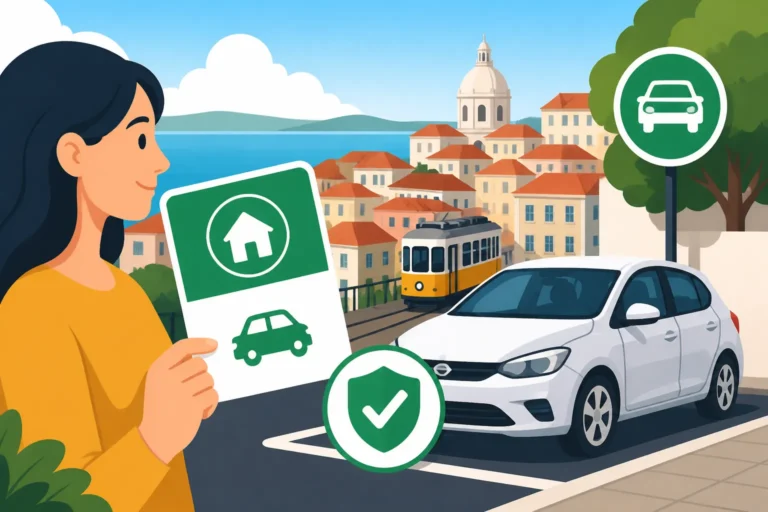
This is why most expats in these regions find that owning a car is not just a convenience but almost a necessity for true independence and exploring everything the area has to offer. Having a car allows you to easily do your grocery shopping, visit doctors, explore neighboring towns, and take spontaneous trips to the beach or into the countryside. If you're coming from another country, you'll need to look into exchanging your foreign driving license for a Portuguese one within a certain period after obtaining residency. Portugal also has an extensive network of toll roads, and getting a Via Verde transponder is highly recommended for hassle-free travel, as it allows automatic payment without stopping. For a deep dive into the practicalities of getting around, you can read our guide on Public Transport and Driving in Portugal: Trains, Tolls, and Licenses. While a car offers freedom, be aware that fuel costs can be higher than in some other countries, so factor that into your budget.
Embracing Portuguese Culture and Overcoming Hurdles
Moving to any new country comes with its unique set of joys and challenges. On the Silver Coast and in Central Portugal, the opportunities for genuine cultural immersion are plentiful, but so too are the moments that will test your patience. It's all part of the expat journey.
Integration and Community Life
One of the most rewarding aspects of living outside the major expat bubbles is the increased opportunity for genuine integration into Portuguese society. In these regions, you'll find fewer English-speaking services and a greater need to engage with locals in their native tongue. This might seem daunting at first, but it's a fantastic catalyst for learning Portuguese, which is the single most important step you can take towards feeling at home. Locals genuinely appreciate the effort, no matter how faltering your attempts may be. You can find resources on Learning European Portuguese: Top Apps, Tutors, and Free Government Classes to help you on your journey.
While English-speaking expat communities might be smaller than in Lisbon or the Algarve, they do exist in many towns like Caldas da Rainha, Nazaré, or Coimbra, often connected through social media groups or local meetups. These groups can be a great source of support and information. Beyond expat circles, true integration comes from participating in local life. Frequent your local café for a bica (espresso) and chat with the owner, shop at the municipal market, attend local festivals (festas) which are a cornerstone of Portuguese culture, and simply observe and adapt to the local rhythm. The pace of life is slower here; deadlines are often fluid, and social interactions are paramount. Embracing this more relaxed approach will significantly reduce stress. You'll find that Portuguese people are generally warm, welcoming, and hospitable, especially once you show an interest in their culture and language.
Navigating Bureaucracy with Patience and a Smile
Let's be honest: Portuguese bureaucracy can be famously complex, slow, and, at times, utterly baffling. This is a common frustration shared by nearly all expats, and living in less cosmopolitan areas might mean slightly fewer English-speaking civil servants compared to Lisbon. Whether it's registering your address with the local junta de freguesia, dealing with Finanças (the tax authority), or any interaction with AIMA (the new immigration agency), expect delays, multiple document requests, and a general lack of urgency. Validating this frustration is important: it is difficult, and it will test your patience.
However, understanding this reality from the outset can help manage your expectations. Always go prepared with every document imaginable, and then some, along with photocopies. A good tip is to carry copies of your NIF, passport, and proof of address at all times for administrative tasks. Learning some basic Portuguese phrases related to administrative tasks, or bringing a Portuguese-speaking friend or even a professional intermediário (facilitator) can make a world of difference. Approach each interaction with a polite smile, even if you’re internally screaming, as a positive attitude often yields better results. Remember, persistence is key. Eventually, everything gets done. For essentials like obtaining your tax and social security numbers, our guide on NIF and NISS: How to Get Your Portuguese Tax and Social Security Numbers can be incredibly helpful in preparing you for these initial administrative hurdles. The experience, while often challenging, ultimately makes you more resilient and gives you fantastic stories to tell.
Disclaimer
The information provided in this article is for general guidance only and does not constitute legal, financial, or immigration advice. While we strive to keep the information up-to-date and accurate, laws, regulations, and procedures in Portugal can change rapidly. Always consult with qualified professionals (e.g., lawyers, financial advisors, immigration consultants) for advice tailored to your specific situation before making any decisions related to your move or life in Portugal.