What Medicines Are Over-the-Counter in Portugal?
Disclosure: This article contains affiliate links. If you buy through them, we may earn a commission at no extra cost to you. Read our full disclosure.
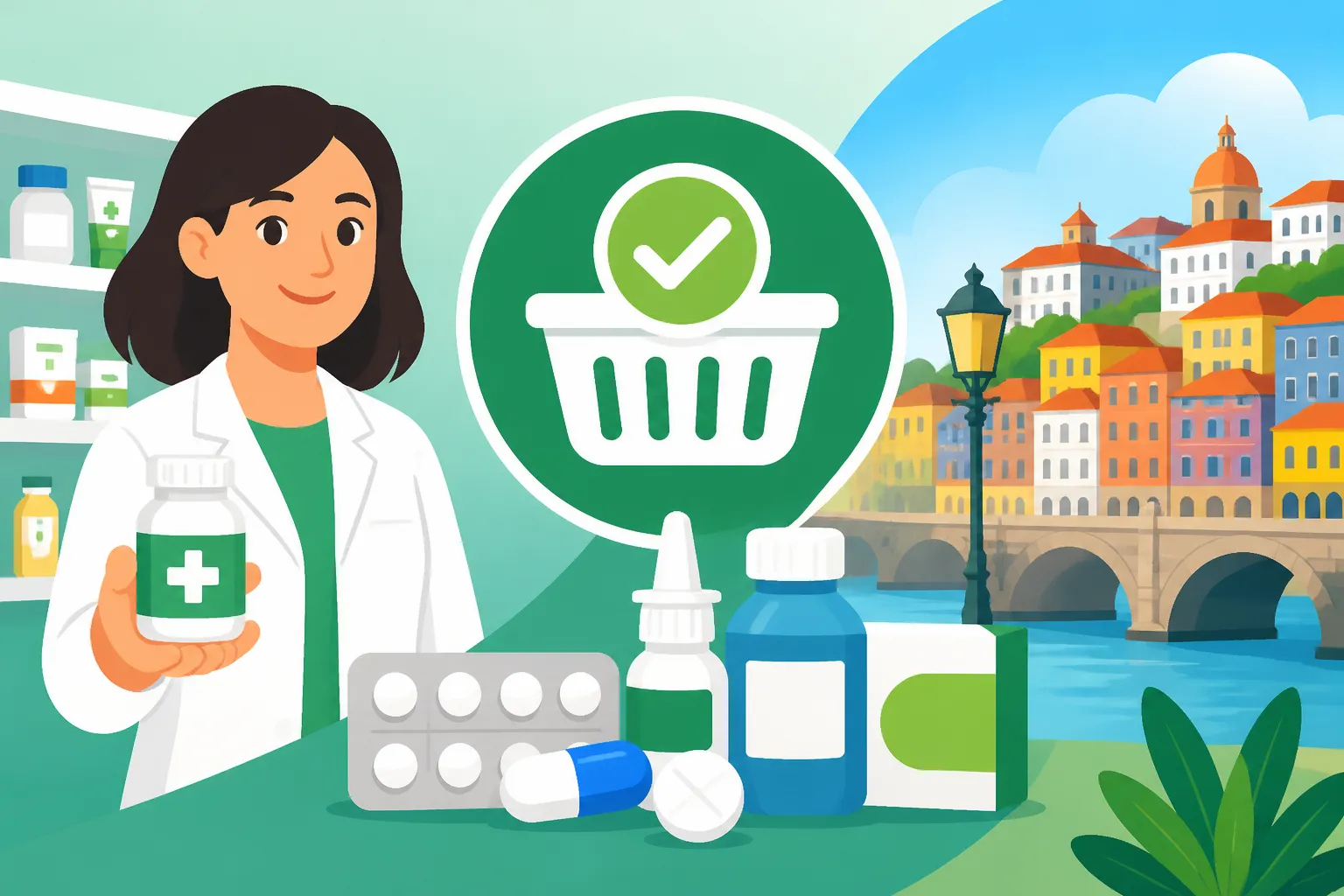
Walking into a Portuguese pharmacy for the first time can feel like a high-stakes guessing game when you have a pounding migraine or a sudden fever. I remember my first month in Porto, standing confused at the counter trying to find something—anything—that looked like the giant bottle of Tylenol I used to keep in my cabinet. This guide explains exactly which over-the-counter medicines are available in Portugal, the local brand names to look for, and how the pharmacy system works so you never feel helpless when you are under the weather.
The Green Cross and the Local Pharmacy Experience
In Portugal, the pharmacy is not just a place to pick up a box of pills; it is a vital pillar of the community. You will recognize them by the bright, often neon, green crosses hanging over the sidewalk. Unlike in North America or parts of Northern Europe, you cannot simply walk into a supermarket and find a massive aisle dedicated to pain relief and cold medicine. Here, the "Farmácia" is where the expertise lives, and even for non-prescription items, you will almost always have to speak to a professional.
Farmácia vs Parafarmácia
It is essential to distinguish between a "Farmácia" and a "Parafarmácia" (often found inside supermarkets like Continente or Pingo Doce, or as standalone shops like Wells). A traditional Farmácia can sell everything: prescription drugs, high-dosage painkillers, and specialized medical equipment. A Parafarmácia is limited to what we call MNSRM (Medicamentos Não Sujeitos a Receita Médica), which translates to medicines not subject to medical prescription.
If you just need basic lip balm, vitamins, or very mild cough drops, a Parafarmácia is fine. However, if you need actual Ibuprofen or anything slightly stronger, you should head to a full Farmácia. When I moved here, I spent twenty minutes in a grocery store looking for Aspirin, only to realize that most "real" medicine is kept behind the glass at the specialized pharmacy counter. If you have international coverage through Cigna Global, you likely won't worry about the cost of a doctor's visit, but for minor ailments, the pharmacist is your first line of defense.
The Ticket System and Interaction
When you walk into a busy pharmacy in Lisbon or any major town, look for a small red or blue machine near the door. This is the "senha" (ticket) machine. You must take a ticket and wait for your number to appear on the screen. There is no "browsing" for medicine in the way you might be used to. You will walk up to the counter and tell the pharmacist your symptoms.
Portuguese pharmacists are highly trained—essentially "mini-doctors"—and will often ask you several questions before handing over a box. They want to know if you have a fever, how long you’ve been hurting, and if you are taking other medications. This can be intimidating if your Portuguese is rusty, but most pharmacists in urban areas speak excellent English. If you’re ever in doubt about your symptoms, remember that you can also call the SNS 24 Helpline (808 24 24 24): Triage, Advice, and Sick Notes for professional guidance before you even leave your house.
Common Over-the-Counter Medicines and Local Names
Finding the equivalent of your home-country favorites is the biggest hurdle. Portugal uses many of the same active ingredients, but the brand names are entirely different. You won't find "Tylenol" or "Advil" on the shelves here, but you will find their identical twins.
Pain Relief and Fever
Paracetamol and Ibuprofen are the kings of the OTC world in Portugal. However, there are strict rules about dosage. For instance, you can buy 500mg Paracetamol over the counter without any issue. If you need the 1000mg version, it is technically a prescription item, though some pharmacists may exercise discretion if they see you are in visible distress.
The most famous brand for Paracetamol in Portugal is Ben-u-ron. It is so ubiquitous that people often say "take a Ben-u-ron" instead of "take a painkiller." For Ibuprofen, you are looking for Brufen or Trifene. Be aware that the 600mg dose of Brufen now requires a prescription in many cases, a change that caught many expats off guard a few years ago. For more on this specific quirk, you should read about Buying Ibuprofen or Paracetamol in Portugal: Why it's behind the counter.
Cold, Flu, and Allergy Medication
When the winter dampness hits (and believe me, it will), you will likely need something for a "gripe" (flu) or "constipação" (cold). Unlike in the US, where multi-symptom liquids like NyQuil are popular, Portugal tends to favor powders that you dissolve in hot water or small tablets.
A very popular OTC cold remedy is Ilvico or Cêgripe. These usually contain a mix of paracetamol, vitamin C, and an antihistamine to help you sleep. For allergies (hay fever), you can easily find Fenistil (available as a gel for bites or drops/tablets) and Zyrtec (Cetirizina). If you have a chronic condition, it is always worth Finding Doctors and Specialists in Portugal: English-Speaking Medical Care to get a local prescription, which can significantly lower the price through the public health subsidy system.
Digestive Health and Tummy Troubles
Portuguese food is incredible, but the transition to olive-oil-heavy dishes can sometimes upset an expat's stomach. For acid reflux or heartburn, the go-to brand is Kompensan or Gaviscon. If you are dealing with "diarreia," look for Imodium (which is the same brand name as in many other countries) or UL-250. For constipation, Dulcolax is widely available. If your stomach issues persist, travelers often rely on SafetyWing to cover the costs of an urgent clinic visit, as what feels like a simple bug can sometimes require professional intervention.
Comparison Table: Common International Names vs. Portuguese Equivalents
| International Brand / Active Ingredient | Portuguese Brand Name | Typical Use |
|---|---|---|
| Tylenol / Paracetamol | Ben-u-ron, Panadol | Fever, Headache, Mild Pain |
| Advil / Ibuprofen | Brufen, Trifene | Inflammation, Muscle Pain |
| Aspirin / Acetylsalicylic acid | Aspirina | Pain, Heart Health (low dose) |
| Zyrtec / Cetirizine | Zyrtec, Cetirizina Generis | Allergies, Hay Fever |
| Imodium / Loperamide | Imodium, Loperamida | Diarrhea |
| Pepto-Bismol / Bismuth subsalicylate | (Not common) Try Kompensan | Heartburn, Indigestion |
| Sudafed / Pseudoephedrine | Actifed (usually behind counter) | Nasal Congestion |
| Neosporin / Triple Antibiotic | Bacitracina | Minor Cuts and Scrapes |
Special Rules and Restrictions You Must Know
One of the biggest shocks for newcomers is how strictly antibiotics are regulated. In some countries, you might be used to a pharmacist handing over a Z-pack for a chest infection. In Portugal, this is a hard "no." You will find that Antibiotics rules in Portugal: Why you absolutely need a doctor's prescription are followed to the letter to prevent antibiotic resistance.
The Prescription Requirement
Even if you are sure you have a sinus infection, a pharmacist cannot sell you antibiotics without a paper or digital prescription from a doctor registered in Portugal. This is where having Private Health Insurance in Portugal: Costs, Coverage, and Best Providers becomes incredibly useful. With private insurance, you can often get a same-day appointment at a clinic like CUF or Hospital da Luz, get your prescription, and be at the pharmacy within an hour.
Furthermore, some medications that are OTC in other countries—like certain high-strength sleep aids or specific migraine "triptans"—might require a prescription here. Always bring your original packaging or a letter from your home doctor if you are trying to find a local match. For more on the logistics of moving with meds, check Bringing Prescription Drugs to Portugal: Customs and Import Rules.
The Role of the Pharmacist
I cannot stress enough how much you should trust your pharmacist. If you have a minor burn, a strange rash, or a lingering cough, show it to them. They can provide immediate topical treatments or tell you if you need to head to the "Urgências." If you do end up needing more serious help, it's good to know the protocol for Emergency Medical Care in Portugal: Calling 112 and Going to the Hospital. The pharmacist is the gatekeeper of the medical system here, and building a relationship with the one in your neighborhood is one of the best "expat hacks" I can give you.
Finding a Pharmacy After Hours
Sickness doesn't always happen between 9 AM and 7 PM. If you find yourself in need of medicine in the middle of the night, you need to look for a "Farmácia de Serviço." Every pharmacy will have a list posted in their window showing which nearby pharmacy is on duty for the night or weekend.
How to Find a "Farmácia de Serviço"
You can also check the website "farmaciasdeservico.net" or use the SNS 24 app. When you arrive at a pharmacy after hours, the doors will likely be locked. There is usually a small buzzer or a window specifically for night service. You may be charged a small "service fee" (usually around 2 to 5 Euros) for the convenience of after-hours dispensing. For a deeper dive into this, read What is a Farmácia de Serviço and how to find one open at 2 AM.
If your situation is more than just needing a Ben-u-ron, and you're worried about the cost of care as a foreigner, remember that the public system is accessible once you are registered. You can find out more about Registering with the Centro de Saúde: Getting Your SNS Número de Utente to ensure you're covered for more than just OTC needs.
Prices and Buying Tips
Medicine prices in Portugal are regulated by the government, so you won't find the wild price swings you see in the United States. However, there are still ways to save money.
- Ask for Generics: The pharmacist will usually ask "Marca ou Genérico?" (Brand or Generic?). Always go for the generic (Genérico) if you want to save money; they are the exact same chemical formulation for a fraction of the price.
- NIF on the Receipt: Even for OTC drugs, always give the cashier your NIF (tax identification number). Medical expenses can be deducted from your annual IRS tax return in Portugal. Over a year, those few euros spent on cold medicine and bandages can add up to a decent tax break.
- Check the Expiry: Since you can't buy 500-count bottles, medicine in Portugal often comes in smaller blisters of 10 or 20 tablets. This is actually better for ensuring your medicine cabinet doesn't become a graveyard of expired pills.
- Supermarket Parafarmácias: For items like antiseptic spray, bandages, vitamins, and mild skin creams, the supermarket "Parafarmácias" are often cheaper and more convenient than the standalone green-cross pharmacies.
Navigating the world of Pharmacies and Medication in Portugal: Prescriptions and OTC Drugs is a rite of passage for every expat. Once you know that a "Ben-u-ron" is just a Paracetamol and that your local pharmacist is a friend rather than a salesperson, the whole process becomes much less daunting. Whether you are here for a short stint and using SafetyWing or settling in for the long haul with Healthcare in Portugal for Expats: The Complete 2026 Medical Guide, knowing what is available over the counter will save you a lot of stress during your first Portuguese winter.
If you're still feeling overwhelmed by the local system, don't worry. I've been here for years, and I still occasionally have to use Google Translate at the counter. The key is to be patient, ask for the "genérico," and always keep a box of Ben-u-ron in your kitchen drawer just in case.
Disclaimer
The information provided in this guide is for informational and educational purposes only and does not constitute professional medical advice, diagnosis, or treatment. Always seek the advice of a qualified healthcare provider or pharmacist regarding any medical condition or the use of medications. The availability and legal status of medications in Portugal can change, and you should always verify current regulations with local authorities or a licensed Portuguese pharmacist. This content reflects the experience of an expat and is not a substitute for official government or medical documentation.