Specialists and Referrals in Portugal: How the System Works
Disclosure: This article contains affiliate links. If you buy through them, we may earn a commission at no extra cost to you. Read our full disclosure.
Getting stuck in a loop of bureaucratic referrals while you are actually in pain is a uniquely exhausting Portuguese experience. I remember waiting four months for a simple ultrasound because I didn't understand that the public and private systems don't talk to each other. This guide explains exactly how to navigate specialist care so you don't waste months in a waiting room.
Understanding the Two-Tiered Specialist Path in Portugal
In Portugal, the healthcare landscape is divided into the National Health Service (Serviço Nacional de Saúde or SNS) and the private sector. While both offer high-quality specialist care, the way you access a cardiologist, neurologist, or dermatologist differs wildly between the two. Understanding this distinction is the first step to ensuring you aren't left waiting for an appointment that may never come.
The public system is built on the concept of the family doctor acting as a gatekeeper. You cannot simply walk into a public hospital and ask to see a specialist for a non-emergency issue. You must be funneled through the primary care level first. This is where many expats hit their first hurdle, often because they haven't completed the necessary paperwork to even enter the building.
Conversely, the private system functions much more like a consumer market. If you have the funds or the right insurance, you can often bypass the general practitioner entirely. However, even in the private sector, having a "referral" or a clinical history can change how your insurance provider handles the claim. Navigating these two worlds requires a bit of strategy and a lot of patience.
The Role of the SNS Gatekeeper
In the public system, everything begins at your local health center. Before you can see a specialist, you must be Registering with the Centro de Saúde: Getting Your SNS Número de Utente to even get an appointment with a general practitioner. Once you have your number, you are assigned—or placed on a waiting list for—a family doctor.
Your family doctor is the only person in the public system who can "order" a specialist consultation. If you have a persistent skin issue, you visit your GP, they evaluate it, and if they deem it necessary, they submit an electronic referral into the national system. You don't get to choose which hospital you go to or which doctor you see; the system assigns you based on your residence and the current wait times at regional hospitals.
This "gatekeeper" model is designed to prevent hospitals from being overwhelmed by minor issues, but for an expat used to direct access, it can feel like a brick wall. If you are struggling with the wait, many expats find that Finding an English-Speaking General Practitioner (Médico de Família) in the private sector to coordinate their care is a much faster alternative, even if they eventually want to use the public system for subsidized medication.
Referral Paths and Triage in the Public System
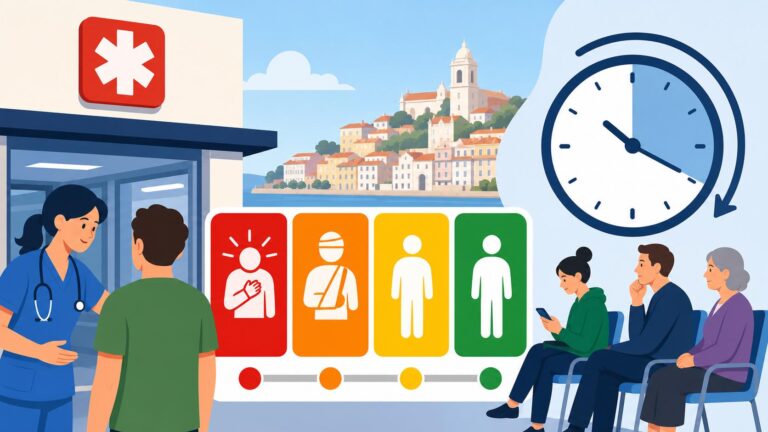
Once your GP submits a referral, it enters a centralized waiting list known as the Consulta a Tempo e Horas (CTH). This system categorizes referrals based on clinical priority: normal, priority, or urgent. If your case is "normal," you might wait six months to a year for a consultation in popular specialties like ophthalmology or orthopedics in cities like Lisbon or Porto.
You can track these wait times through the SNS Portal do Utente. It is a digital dashboard that shows you exactly where you are in the queue. It is highly recommended to keep a close eye on this, as appointments are often sent via physical mail or SMS. If you miss the notification, you are often dropped from the list entirely and have to start the process over with your family doctor.
In cases where the public system cannot meet the "Maximum Guaranteed Waiting Time," they are legally required to issue a "Vale Consulta." This is a voucher that allows you to see a specialist in a private hospital that has a protocol with the SNS, at no extra cost to you. However, these vouchers are not handed out automatically; you often have to be proactive in asking your health center about your rights when the clock runs out.
The Realities of Public System Wait Times
It is no secret that the SNS is under pressure. While the care is excellent once you are in the room, getting into the room is the challenge. For non-life-threatening issues, the wait times can be demoralizing. This is why Public vs Private Healthcare in Portugal: Which One Should Expats Choose? is such a common debate in the community.
If you are dealing with a chronic condition that requires regular specialist monitoring, the public system is excellent because it covers the vast majority of costs. For example, if you are referred to an oncologist or a cardiologist for a serious condition, the system moves much faster. The delays are primarily found in "quality of life" specialties—think hip replacements, cataract surgeries, or non-acute dermatology.
For those who cannot afford to wait, having a backup plan is essential. Many digital nomads and frequent travelers rely on SafetyWing to cover unexpected medical needs, which allows them to jump into the private system immediately for diagnostics without waiting for a family doctor's referral in the public queue.
Accessing Specialists via the Private Sector
The private healthcare sector in Portugal is robust, modern, and incredibly accessible. For most expats, this is where they will seek specialist care. The experience is much closer to what you might find in the US or Northern Europe: you call a hospital, book an appointment, and see a doctor within a week.
The major advantage here is choice. You can choose your doctor, your hospital, and your appointment time. You do not need a referral from a general practitioner to book a specialist in a private hospital. If you want to see a neurologist because you’ve been having headaches, you can simply book one. However, some insurance policies may require a GP's note if you want them to cover specific expensive diagnostic tests like MRIs or CT scans that the specialist might order.
While the convenience is high, the costs can add up if you aren't insured. This is why most residents opt for Private Health Insurance in Portugal: Costs, Coverage, and Best Providers to mitigate the out-of-pocket expenses of frequent specialist visits and the associated lab work.
Direct Booking and Major Hospital Groups
In Portugal, the private market is dominated by a few large, highly professional groups. Hospital da Luz and CUF: Navigating Portugal's Biggest Private Hospitals is essential reading for anyone moving to a major city. These groups have their own apps and websites where you can filter specialists by language, specialty, and even their specific areas of expertise (e.g., a knee specialist vs. a general orthopedic surgeon).
When you book directly, you are responsible for the full consultation fee unless you have an insurance provider that is "in-network" (convencionado). Most private specialists in these large groups speak excellent English, which removes one of the biggest stressors of the public system. You can often see a specialist within 48 to 72 hours, especially if you are flexible with the location.
If you are using a global policy like Cigna Global, you typically have access to all these major private hospitals. You would simply present your insurance card, and the hospital handles the billing directly with the insurer, leaving you to pay only a small co-payment (often between €15 and €30) at the reception desk.
The Importance of the "Médico Assistente"
Even though you can book specialists directly in the private sector, it is often wise to have a "Médico Assistente" (a primary care physician) within the private group you use. Why? Because specialist care can become fragmented. If you see a cardiologist at CUF and a gastroenterologist at Hospital da Luz, your medical records might not be shared effectively.
Having a central doctor in the private system ensures that all your specialist referrals and test results are coordinated. They can help you navigate Specialist Referrals: The Process in Public SNS vs Private Clinics more effectively by telling you which specific specialist is the best "fit" for your symptoms. This prevents you from "doctor shopping" and wasting money on the wrong type of specialist.
Furthermore, if you need a "Baixa Médica" (a formal sick note for your employer), it is much easier to get one if you have a consistent relationship with a primary doctor who understands your specialist's findings. This coordination is one of the hidden benefits of the private system that many expats overlook in their rush to get a quick appointment.
Managing Costs and Insurance Approvals
The private system is not a free-for-all when it comes to insurance. While the consultation itself is easy to book, the tests a specialist might order often require "pre-authorization." For example, if a specialist wants you to have an endoscopy, you may have to wait 24 to 48 hours for your insurance company to approve the procedure.
If you are uninsured, a specialist consultation in a private hospital typically costs between €80 and €120. Diagnostic tests are billed separately. For those moving to Portugal with pre-existing conditions, it is vital to check if Does private health insurance in Portugal cover pre-existing conditions? before relying solely on the private sector. If your condition isn't covered, you will need to lean more heavily on the public SNS system for those specific specialist needs.
| Feature | Public SNS System | Private Sector (CUF/Luz/HPA) |
|---|---|---|
| Referral Required? | Yes, from a Family Doctor | No, can book directly |
| Wait Times | Weeks to Months (or years) | Days to a Week |
| Cost (with NIF/SNS) | Small co-payment (€0 – €20) | Full price or insurance co-pay |
| Doctor Choice | Assigned by the system | You choose your doctor |
| Language | Primarily Portuguese | English widely spoken |
| Continuity | Variable | High (with same doctor) |
Specialized Care: Common Fields for Expats
Certain medical specialties are more in demand for the expat community than others. Whether it's managing a chronic condition or seeking preventive care, knowing what to expect in these specific fields can save you a lot of confusion.
In Portugal, specialties like Ginecologia (Gynecology) and Dermatologia (Dermatology) are often accessed privately because the wait times in the public system for "routine checkups" are notoriously long. On the other hand, urgent cardiac care or oncology is where the public system truly shines, often providing world-class treatment that would be prohibitively expensive in the private sector without top-tier insurance.
Women's Health and Maternity Referrals
For women, the referral process often bypasses the family doctor if you are going private. You can book an appointment with a Ginecologista directly for your annual screenings. If you become pregnant, the system changes. You will likely be followed by an Obstetra.
If you choose to have your baby in the public system, you will be referred to a hospital based on your address. If you choose private, you need to ensure your insurance covers "Partos" (childbirth), as there is often a one-year waiting period for this coverage. It is a good idea to read up on Women’s Health and Maternity Care in Portugal: Pregnancy and Birth to understand how these referrals work across the two systems, as many women "double-dip" by using private specialists for scans and public hospitals for the actual delivery.
Mental Health and Psychiatry
Mental health is one area where the public system in Portugal has historically struggled with long wait times. Referrals for psychologists or psychiatrists through a Centro de Saúde can take a very long time. Consequently, the vast majority of expats seek Mental Health in Portugal: Finding Therapists and Psychiatrists for Expats in the private sector.
Many private insurance policies, including Cigna Global, have started including better mental health coverage, but you should always check the limits. Some only cover a certain number of sessions per year. Unlike physical specialties, mental health professionals often work in private practices outside of the big hospital groups, so you might need to handle Navigating Medical Billing and Insurance Reimbursements in Portugal yourself if they don't have a direct agreement with your insurer.
Pediatric Specialists
If you have children, your first point of contact will be a Pediatra. In the private system, parents often choose a pediatrician who becomes the child's primary care provider, replacing the need for a general family doctor. This specialist will handle everything from routine vaccinations to specialist referrals for things like speech therapy or pediatric allergies.
The public system also has pediatricians, but your child will likely see a family doctor first unless the issue is acute. It is highly recommended to have your child's medical history translated. You can find out How to get your child's Boletim de Vacinas (Vaccination book) translated to ensure that when you do see a specialist, they have all the data they need to make an informed referral.
Navigating Language and Communication
One of the biggest fears for expats is the language barrier when discussing complex medical issues. While many Portuguese doctors speak English, the administrative staff and the referral documents themselves will almost certainly be in Portuguese.
In the private sector, you can often filter for English-speaking doctors on the hospital's app. In the public sector, it is a roll of the dice. If you are referred to a public specialist and you don't speak Portuguese, I highly recommend bringing a friend who does or hiring a medical translator for the first visit.
Requesting and Using Medical Records
In Portugal, your medical records are increasingly digitized through the SNS. You can access your "Boletim de Saúde" and your referral history via the SNS 24 app. However, private hospitals like CUF and Luz have their own separate portals. These systems do not talk to each other.
If you see a private specialist and they recommend a surgery that you want to perform in the public system to save costs, you will need a physical copy of the report to take back to your family doctor. The family doctor must then "validate" that private referral and enter it into the public system. This is a crucial step that many people miss, thinking a private doctor's note automatically puts them on the public surgical list. It does not.
Telehealth as a Bridge
If you are in a rural area and need a specialist's opinion quickly, telehealth is a growing option in Portugal. Both major insurance providers and the national health service offer phone-based consultations. The SNS 24 Helpline (808 24 24 24): Triage, Advice, and Sick Notes can actually provide some specialist advice and even issue prescriptions or referrals in certain cases, saving you a trip to the health center.
For nomads, services like SafetyWing often provide 24/7 access to remote doctors who can help determine if you actually need a specialist or if your issue can be handled with over-the-counter medication. This is a great "first line of defense" before you dive into the complexities of the Portuguese referral system.
Costs, Fees, and the "Yellow Book"
Even in the "free" public system, there are small costs involved, known as Taxas Moderadoras. These are co-payments for consultations and exams. While many groups (like children, pregnant women, and those with low income) are exempt, most expats will pay a few euros for a specialist visit.
In the private system, the costs are higher but more transparent. Always ask for a "preventivo" (an estimate) before agreeing to expensive diagnostic tests. If you feel you have been mistreated or that a referral was unfairly denied, every medical facility in Portugal is required by law to have a "Livro de Reclamações" (Yellow Book) where you can lodge a formal complaint.
Understanding Taxas Moderadoras
In the public system, a specialist consultation typically costs around €7 to €10 in co-payments. An MRI might cost €20 to €30. These are significantly lower than private prices, but you are "paying" with your time. If you have a chronic illness, these small fees are capped annually to ensure healthcare remains affordable.
Private Billing and Insurance
When you go to a private specialist, always check if they are "dentro da rede" (in-network). If they are, you pay your co-pay and walk out. If they are "fora da rede" (out-of-network), you pay the full price (e.g., €100) and then submit the receipt to your insurance for reimbursement. This usually results in you getting 60% to 80% of your money back, depending on your policy.
For those with international coverage like Cigna Global, the reimbursement process is usually handled through an online portal. Just make sure the receipt includes your NIF (tax number) and the doctor's "Cédula Profissional" (license number), or the insurance company will reject the claim.
Tips for a Smooth Referral Experience
After years of navigating this, I’ve learned that being "the squeaky wheel" actually works in Portugal. If you are waiting for a referral, call the hospital’s specialty department once a month to check your status. Sometimes, paperwork gets lost in the digital ether.
Always bring your "Cartão de Cidadão" or your residency card and your SNS number to every appointment. Even in private hospitals, they often use your SNS number to sync your prescriptions with the national database, allowing you to get subsidized medicine at the pharmacy.
Finally, keep a folder (physical or digital) of every exam result, blood test, and specialist report you receive. Because the Portuguese systems are fragmented, you are the only person who has your complete medical history. Being able to hand a new specialist a folder of your last three years of heart scans or blood work will make your consultation significantly more effective and save you from repeating expensive tests.
Disclaimer
The information provided in this guide is for informational purposes only and does not constitute professional medical or legal advice. Healthcare laws, insurance policies, and public system wait times in Portugal are subject to change. Always consult with a qualified medical professional or a certified insurance broker regarding your specific health needs and coverage options.