Public vs Private Healthcare in Portugal: Which One Should Expats Choose?
Navigating the Portuguese healthcare system often feels like trying to solve a puzzle where the pieces are written in a language you haven't quite mastered yet. I remember standing in a crowded health center for three hours just to be told I needed a different stamp from a different building across town. This guide settles the debate once and for all, helping you decide whether the public system, private care, or a hybrid approach is the right move for your life in Portugal.
Understanding the SNS: How Public Healthcare Works
The Serviço Nacional de Saúde (SNS) is the backbone of the Portuguese medical world. It is a tax-funded system that provides universal coverage to all residents, regardless of their nationality or economic status. For many expats, the sheer existence of a public system is a relief, but the reality of using it requires a healthy dose of patience and a deep understanding of local bureaucracy. It is not "free" in the absolute sense, but it is highly subsidized, making it an incredible safety net for those who know how to navigate it.
The Registration Process and the Número de Utente
To even step foot in a public hospital for a non-emergency, you need a number. Specifically, you need the Número de Utente. This is your gateway to the public system. Without it, you are essentially a ghost in the eyes of the SNS. I remember the day I finally got mine; it felt like receiving a golden ticket, even though the "ticket" was just a thermal paper printout from a tired-looking printer.
The process involves going to your local Centro de Saúde (Health Center) with your residency permit and proof of address. If you are still waiting for your final residency card, things can get tricky. Some centers are lenient and will accept a manifestation of interest, while others will firmly point to the door. Once registered, you are assigned to a specific health center based on your parish. This is where you will go for everything from flu shots to specialist referrals. For a deeper dive into this first step, check out Registering with the Centro de Saúde: Getting Your SNS Número de Utente.
Taxas Moderadoras: What You Actually Pay
While the SNS is funded by taxes, there used to be small co-payments for almost every visit, known as Taxas Moderadoras. In recent years, the government has moved toward a model where most of these fees are waived for standard consultations. However, you might still encounter them for certain diagnostic tests or emergency room visits that aren't followed by an admission.
For most residents, the cost of a primary care visit at a health center is now effectively zero. This is a massive win for the budget-conscious expat. However, don't expect the same for medication. You will still pay a portion of your prescription costs, though the SNS subsidizes a large percentage of essential drugs. To understand exactly when you might still see a bill, read more about Taxas Moderadoras: Co-payments and Costs in the Public Health System.
The Family Doctor Lottery
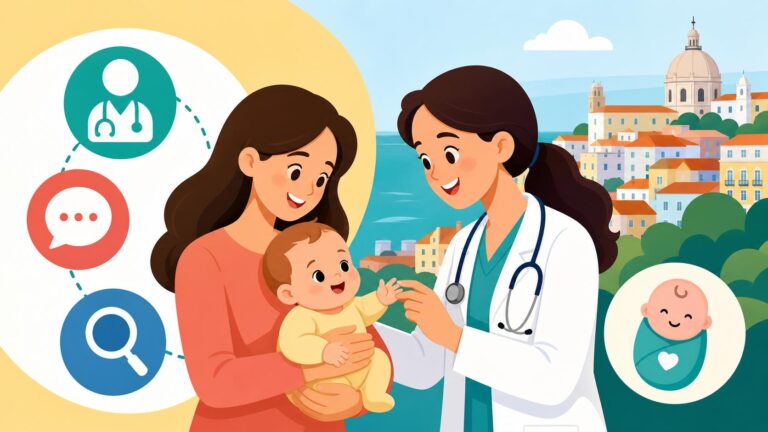
This is the "elephant in the room" for anyone moving to Portugal. In an ideal world, every resident is assigned a Médico de Família (Family Doctor) who manages their long-term health. In reality, there is a massive shortage of these doctors in many regions, especially in the Algarve and parts of Lisbon. If you aren't assigned a doctor, you are put on a waiting list.
Being on the waiting list means you can still access care, but you’ll have to rely on the "open consultation" (consulta aberta) system. This involves showing up at the health center very early—sometimes at 7:00 AM—to snag one of the few available daily slots for patients without a dedicated doctor. It’s a frustrating hurdle that makes the private system look very attractive for routine care. For a broader overview of the landscape, see Portugal's National Health Service (SNS): How the Public System Works.
The Private Healthcare Alternative in Portugal
Because of the wait times in the public system, many expats (and an increasing number of locals) opt for private healthcare. This isn't just about luxury; it's about efficiency. In the private sector, you are the customer, and the system is designed to move much faster. From booking an appointment on an app to seeing a specialist within days rather than months, the convenience factor is undeniable.
Major Networks: CUF, Hospital da Luz, and HPA
The private sector in Portugal is dominated by a few massive, high-tech networks. CUF is the oldest and arguably most prestigious, with hospitals that look more like five-star hotels than medical facilities. Hospital da Luz is another heavyweight, known for its cutting-edge technology and seamless digital integration. If you’re living in the south, the HPA (Hospital Particular do Algarve) is likely where you’ll find yourself.
These facilities are world-class. When I had to get an MRI a few years ago, the public system quoted a four-month wait. I called a private clinic, used my insurance, and had the scan done the following Tuesday. The difference in the patient experience is stark. You can find out more about these specific facilities in our guide on Hospital da Luz and CUF: Navigating Portugal's Biggest Private Hospitals.
Speed of Access vs. Cost
The primary reason to go private is speed. If you need a dermatologist, a cardiologist, or a physical therapist, you can usually book an appointment for the same week. This is a lifesaver for people with busy work schedules or those who simply don't want to wait six months to discuss a nagging knee injury.
However, this speed comes at a price. Without insurance, a single consultation can cost anywhere from €60 to €120. If you need blood tests or imaging, those costs can spiral quickly. This is where having a solid insurance plan becomes non-negotiable for most expats. Whether you choose a local provider or an international one like Cigna Global, having that coverage turns a €500 bill into a €15 co-payment.
English-Speaking Care and Specialized Services
One of the biggest anxieties for new arrivals is the language barrier. While many young doctors in the public system speak excellent English, the administrative staff and older nurses often do not. In private hospitals, English is almost a requirement for staff. You will find that the receptionists, technicians, and doctors are generally much more comfortable communicating in English, which reduces the stress of an already difficult situation.
Private hospitals also tend to offer more specialized wellness services that aren't a priority for the public system. This includes everything from advanced sports medicine to elective cosmetic procedures and high-end maternity suites. If you are looking for specific specialists, refer to Finding Doctors and Specialists in Portugal: English-Speaking Medical Care.
Comparing Costs and Coverage
To help you visualize the financial impact of your choice, I've broken down the typical costs associated with both systems. Remember that these are averages and can fluctuate based on your specific region and the type of insurance you hold.
| Service Type | Public SNS (with Número de Utente) | Private (Out-of-Pocket) | Private (with Insurance) |
|---|---|---|---|
| General Consultation | €0 – €5 | €60 – €90 | €15 – €30 |
| Specialist Visit | €0 – €7 | €80 – €120 | €15 – €35 |
| Emergency Room Visit | €0 – €20 | €100 – €150 | €40 – €60 |
| Basic Blood Work | €0 – €15 | €50 – €100 | €5 – €20 |
| MRI / CT Scan | €0 – €40 | €200 – €450 | €25 – €75 |
| Hospital Stay (per night) | €0 | €400 – €800 | Covered (after deductible) |
Note: Private insurance costs vary wildly based on age and pre-existing conditions. Providers like Cigna Global often offer more comprehensive international coverage but at a higher premium than local Portuguese insurers.
Choosing the Right Health Insurance Plan
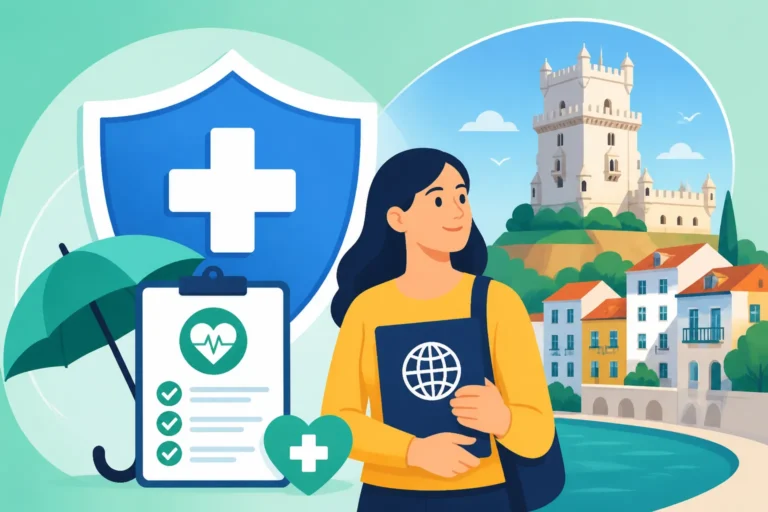
If you’ve decided that the private system is for you, the next hurdle is picking a plan. In Portugal, you generally have two choices: local reimbursement/network plans or international private medical insurance (IPMI).
Local Insurers vs. International Providers
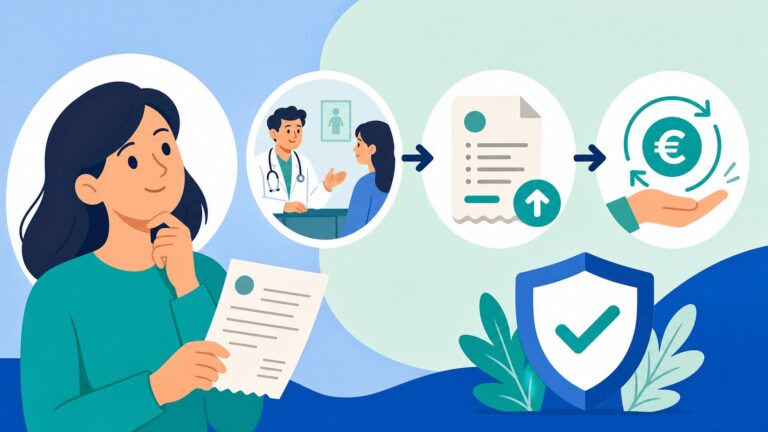
Local giants like Médis, Multicare, and AdvanceCare operate on a network basis. You pay a monthly premium (usually €30 to €80 for a healthy adult), and in exchange, you get access to their network of doctors at fixed, low prices. You simply show your card, pay your €15 co-payment, and walk out. These are excellent for people who plan to stay in Portugal long-term and only need coverage within the country. You can see a detailed comparison here: Médis, Multicare, and AdvanceCare: Comparing Top Private Insurers.
International providers, such as Cigna Global, offer a different level of service. These plans are often more expensive but provide much higher coverage limits and allow you to seek treatment in other countries—including your home country. For US or UK expats who want the option to fly home for major surgeries, an international plan is often the better, albeit pricier, choice.
Waiting Periods and Pre-existing Conditions
Be very careful with períodos de carência (waiting periods). Most Portuguese insurance plans won't cover you for major surgeries or childbirth for the first 6 to 12 months of the policy. If you arrive in Portugal and immediately need a knee replacement, a local private plan likely won't pay for it.
Pre-existing conditions are also a major sticking point. Unlike some countries where insurers are required to cover everyone, Portuguese private insurers can—and do—exclude conditions you had before signing up. This is another reason why some expats maintain international plans like Cigna Global, which sometimes offer more flexible underwriting options or "moratorium" coverage.
Add-ons: Dental and Vision Care
In Portugal, dental care is almost entirely private. The public SNS offers very little in the way of dentistry, usually only for "vulnerable" groups like children or the elderly with specific "dental vouchers." Most expats will need to add a dental module to their private insurance or pay out-of-pocket. Luckily, dental care in Portugal is very affordable compared to the US or Northern Europe. A cleaning might cost €50, and a filling around €70. For more specifics, check out Private Health Insurance in Portugal: Costs, Coverage, and Best Providers.
When to Use Which System (Practical Scenarios)
The smartest expats I know don't just pick one system; they use both. This hybrid approach allows you to save money while ensuring you get the fastest care when you need it.
Emergency Care: Public or Private?
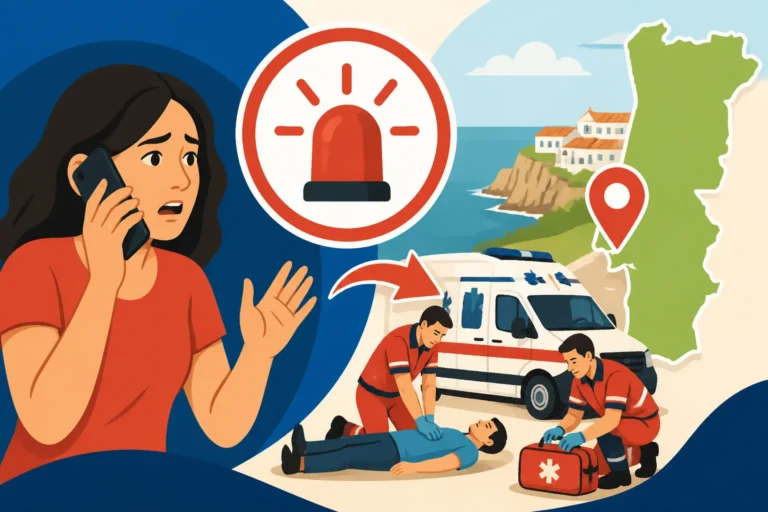
In a life-threatening emergency—think heart attack, major car accident, or severe trauma—you want to be in a public hospital. The SNS has the best trauma centers and the most experienced staff for critical care. While private hospitals have ERs (urgências), they aren't always equipped to handle extreme, multi-system trauma. They might actually stabilize you and then transfer you to a public hospital anyway.
However, for "minor" emergencies like a high fever, a suspected broken wrist, or a deep cut that needs stitches, the private ER is a godsend. You’ll be seen in an hour rather than waiting eight hours in a public hallway. To understand how the public system prioritizes patients, read about Understanding the Manchester Triage System colors in Portuguese emergency rooms.
Chronic Disease Management and Routine Checkups
For routine things like annual blood work, moles checks, or managing blood pressure, the private system is superior because of the ease of scheduling. You can pick your doctor, see them at a time that suits you, and build a relationship.
That said, if you have a chronic condition that requires very expensive, long-term medication (like certain types of cancer or HIV), the public system is actually better. The SNS provides these high-cost medications for free or at a highly subsidized rate that private insurance often caps or excludes.
Maternity and Specialized Surgeries
Having a baby in Portugal is a very personal choice between the two systems. Public maternity wards are excellent and prioritize safety above all else. Private maternity clinics offer more "luxury"—private rooms, better food, and the ability for your partner to stay overnight more easily. If you are considering starting a family, it's worth weighing the costs and benefits of both.
Navigating Pharmacies and Medications
Portuguese pharmacies (Farmácias) are a blend of high-tech medical dispensaries and traditional community hubs. You'll recognize them by the glowing green crosses on the street. They are an essential part of your healthcare journey, and the pharmacists are highly trained—often able to give medical advice for minor ailments.
Prescription Subsidies in the Public System
If you have a prescription from an SNS doctor, it is linked to your Número de Utente electronically. When you go to the pharmacy, you just show your ID, and the pharmacist pulls up your prescription. The price you pay is automatically reduced based on the government subsidy for that specific drug.
If you have a prescription from a private doctor, you will generally pay a bit more, although many private prescriptions are now also integrating into the electronic system to allow for subsidies. To get a better handle on how this works, see Pharmacies and Medication in Portugal: Prescriptions and OTC Drugs.
Over-the-Counter Solutions and Home Remedies
Not everything requires a doctor. For supplements, vitamins, or specific skincare brands that might be overpriced in local pharmacies, many expats use iHerb. It’s a reliable way to get those specific international brands you might be used to back home without paying the "import premium" at a boutique Portuguese shop.
For basic pain relief like Ibuprofen or Paracetamol, you can buy them over the counter, but they are often kept behind the desk. You’ll need to ask the pharmacist directly. Interestingly, you won't find these in supermarkets in Portugal; they are strictly a pharmacy or "para-pharmacy" item.
Logistics for Expats: Tips from a Veteran
After years of living here, I’ve learned that the "secret sauce" to Portuguese healthcare isn't just about having the right insurance—it’s about knowing the hacks.
Overcoming the Language Barrier in Public Hospitals
If you have to visit a public hospital and your Portuguese is still at the "I can order a coffee" level, bring a friend who speaks the language, or have a translation app ready. More importantly, write down your symptoms, current medications, and medical history in Portuguese beforehand. It shows the staff you are trying, and it ensures vital information doesn't get lost in translation.
Using Digital Tools: SNS 24 and Hospital Apps
The SNS 24 helpline (808 24 24 24) is an incredible resource. If you feel sick but aren't sure if you need an ER, call them. They have English speakers, and they can "triage" you over the phone. If they think you need a doctor, they can even issue a referral that saves you time and money. Learn more about this service: SNS 24 Helpline (808 24 24 24): Triage, Advice, and Sick Notes.
On the private side, download the apps for CUF or Hospital da Luz immediately. You can book appointments, view test results, and even pay your bills directly through the app. It’s the kind of efficiency that makes the transition to Portuguese life so much smoother.
In the end, the choice between public and private healthcare in Portugal isn't an "either/or" decision. It’s about building a safety net that uses the best of both worlds. Register for your SNS number as soon as you can—it’s your right as a resident. But for your own peace of mind, get a private insurance policy that covers the basics and gives you access to the speed and comfort of the private sector. Whether you choose a local plan or a global policy from Cigna Global, having that card in your wallet will make your life in Portugal much more relaxed. And for everything else, from your daily vitamins to specialized health supplements, a quick order from iHerb usually does the trick.
Medical Disclaimer
The information provided in this guide is for general informational purposes only and does not constitute professional medical advice, diagnosis, or treatment. Always seek the advice of your physician or other qualified health provider with any questions you may have regarding a medical condition. Never disregard professional medical advice or delay in seeking it because of something you have read in this article. The healthcare landscape in Portugal, including laws and insurance regulations, is subject to change, and you should verify all administrative requirements with the relevant local authorities or a certified insurance professional.