How to Spend a Weekend in Porto
Disclosure: This article contains affiliate links. If you buy through them, we may earn a commission at no extra cost to you. Read our full disclosure.
Ah, Porto. It's a city that steals your heart almost instantly with its crumbling, colourful buildings, the shimmering Douro River, and the intoxicating scent of port wine. But with so much to see and do packed into its winding alleys and steep hills, planning a short visit can feel a bit overwhelming, leaving you wondering how to truly soak it all in without feeling rushed. Fear not, fellow explorer! This guide is designed to cut through the noise, offering a realistic and deeply enjoyable itinerary for an unforgettable weekend in Portugal’s magnificent northern gem, making sure you experience the authentic spirit of the city.
Arriving in Porto and Your Home Base
Getting into Porto and finding your footing is the first step to a smooth weekend. Thankfully, the city is relatively compact and well-connected, even for a quick trip.
From Francisco Sá Carneiro Airport to the City Centre
Landing at Porto's Francisco Sá Carneiro Airport (OPO) is usually a breeze. It's a modern, efficient airport, and getting into the city centre is straightforward. You have a few excellent options, each with its own perks.
The Metro is often the expat's choice for convenience and cost-effectiveness. Line E (purple line) runs directly from the airport to Trindade station in the city centre, a major hub where you can connect to other lines or easily walk to many central accommodations. The journey takes about 30-40 minutes and costs around €2 for the ticket plus a one-time fee for the reusable Andante card. While it's quick, navigating the metro system with heavy luggage during peak hours can be a bit of a squeeze, but generally, it's manageable. Remember to validate your Andante card before each journey by tapping it on the sensor at the station entrance.
For those preferring door-to-door service or arriving late at night, taxis and ride-sharing apps like Uber and Bolt are readily available. A taxi from the airport to the city centre will typically cost between €20-€30, depending on traffic and your exact destination. Ride-share services are usually a touch cheaper, often hovering around the €15-€25 mark. This can be a godsend if you're travelling with family or have a lot of bags, saving you the hassle of lugging suitcases up and down metro stairs. Just be aware of potential surge pricing during busy periods.
If you’re coming from another city in Portugal or even Spain, the train is a fantastic option. Porto has two main train stations: Campanhã, for longer-distance routes (like from Lisbon, which you can book on platforms like Omio), and the stunning São Bento, which handles regional trains and local connections. From Campanhã, you can easily hop on a quick local train or metro to São Bento or other central areas. For those venturing from further afield across Europe, looking into how to use the European Health Insurance Card (EHIC) in Portugal can be a wise move before your trip, just in case any unforeseen health issues arise during your travels.
Choosing Your Neighborhood and Accommodation
Porto offers a diverse range of neighborhoods, each with its own character, catering to different tastes and budgets. Where you choose to stay can significantly impact your weekend experience.
For first-timers who want to be in the thick of the action, the Ribeira district is iconic. Staying right by the Douro River means you're steps away from vibrant riverside restaurants, traditional boats, and the Ponte D. Luís I bridge. However, be prepared for cobblestone streets, potential noise from lively nightlife, and often higher prices. The buildings here are charmingly ancient, which sometimes means smaller rooms or fewer modern amenities. But for sheer atmosphere, it's hard to beat.
Just up from the river, the Baixa (Downtown) area offers a more central and often slightly more contemporary feel. Here, you're close to major attractions like São Bento station, the Clérigos Tower, and countless shops and cafes. It's lively and convenient, with a good mix of hotels and apartments. You'll find a wide array of options on platforms like Booking.com, from boutique hotels tucked into historic buildings to modern apartments with city views. If you're looking for an area that balances history with accessibility, Baixa is an excellent choice.
If you prefer a quieter, more upscale vibe, Cedofeita or Boavista might be more your speed. Cedofeita, known for its art galleries and independent boutiques, offers a trendy yet relaxed atmosphere. It's a bit further from the main tourist hustle but still well-connected by metro. Boavista, a more business-oriented district, has grand avenues, modern hotels, and cultural institutions like the Casa da Música. These areas tend to be less hilly, which can be a relief after a day of exploring Porto's inclines, and often offer a more local feel away from the immediate tourist crush.
Consider your priorities: do you want to roll out of bed and be amidst the historical landmarks, or do you prefer a tranquil retreat with easy transport links? Porto's public transport system is robust enough that staying a little outside the absolute centre doesn't mean you'll miss out, but walking is a huge part of the Porto experience, so a central location often wins for sheer convenience. Before you lock in your accommodation, make sure to read reviews about noise levels, especially in the livelier districts, as those charming cobblestone streets can echo with activity long into the night.
Day 1: Riverside Charms, Bridges, and Port Wine Legends
Your first day in Porto should be all about embracing its most iconic views and, of course, delving into the world of its famous fortified wine.
Morning: Exploring the Ribeira District and Ponte D. Luís I
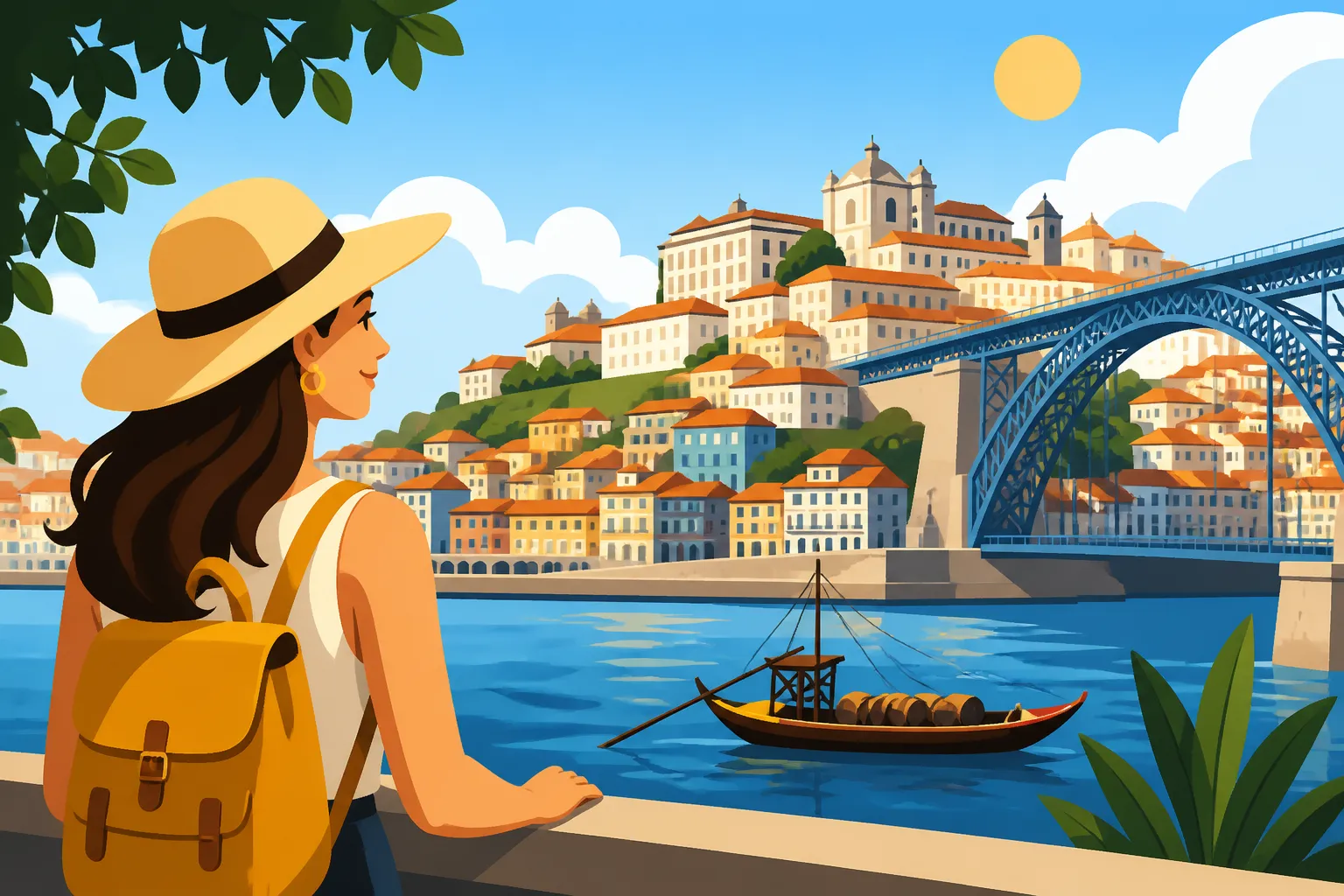
Kick off your Porto adventure in the Ribeira district, a UNESCO World Heritage site and the beating heart of the city's historic waterfront. As you descend towards the river, you’ll be greeted by a kaleidoscope of pastel-coloured houses, their laundry fluttering from wrought-iron balconies. This vibrant area buzzes with activity, from street performers to local vendors, and is simply irresistible for photographers. Grab a coffee and a pastel de nata at one of the many riverside cafes and just watch the traditional rabelo boats glide by.
Wander along the Cais da Ribeira, taking in the unique atmosphere. You’ll see the famous Ponte D. Luís I bridge towering majestically above you. This double-deck metal arch bridge, designed by a student of Gustave Eiffel, is a true marvel of engineering and a symbol of Porto. Your next mission, should you choose to accept it, is to walk across the upper deck of this bridge. The views from up there are absolutely breathtaking, offering panoramic vistas of the Ribeira on one side and the port wine lodges of Vila Nova de Gaia on the other. It’s a steep climb to get to the upper deck from the Ribeira side, but there’s also an option to take the Funicular dos Guindais up from near the bridge base, saving your legs a bit and offering another unique perspective.
Once you’re on the upper deck, take your time. The vista of the Douro flowing into the Atlantic, the terracotta rooftops, and the bustling waterfront below is a sight you won't soon forget. This walk across the bridge is more than just a means to get from A to B; it's an experience in itself, offering some of the best photo opportunities in the entire city. The lower deck is also open for pedestrians and cars, providing a different, closer perspective of the river and the boats.
Afternoon: Crossing to Vila Nova de Gaia and Port Cellar Tours
After soaking in the views from the Ponte D. Luís I, it’s time to head to the other side of the Douro River, to Vila Nova de Gaia. This isn't technically Porto, but it's inextricably linked by history and, more importantly, by port wine. The riverbanks here are lined with the iconic names of port houses – Sandeman, Taylor's, Graham's, Cálem, and many more, each proudly displaying their logos.
This is where the magic happens: the port wine lodges. For centuries, this is where the precious barrels of port wine were aged after being transported down the Douro River from the vineyards in the Alto Douro region. A visit to Gaia without a port cellar tour and tasting would be like going to Paris and skipping the Eiffel Tower. These tours are immensely popular, and for good reason. You’ll learn about the intricate process of port production, from grape harvest to fermentation and aging, and discover the nuances between various styles like Tawny, Ruby, and Vintage Port.
Many visitors find booking these tours in advance, especially during peak season, to be a smart move. Websites like GetYourGuide offer a selection of tours, allowing you to compare prices, read reviews, and secure your spot without hassle. Some lodges, like Cálem or Sandeman, offer interactive experiences, while others, such as Taylor's, provide a more traditional, historical deep dive. Most tours culminate in a tasting, where you can sample several varieties of port. Don’t rush this part; savour the moment and perhaps pick up a bottle or two as a souvenir. It’s not just a drink; it's a piece of Portuguese heritage.
Evening: Traditional Dinner with River Views
As the sun begins to set, casting a golden glow over the Douro, it’s time for dinner. There’s something undeniably romantic and quintessentially Porto about dining with a river view. The Ribeira side and the Gaia riverfront both boast an abundance of restaurants, from casual tavernas to more upscale establishments.
On the Gaia side, many restaurants offer terraces that overlook the Porto skyline, providing a stunning backdrop as you enjoy your meal. Imagine enjoying a traditional Portuguese dish, like Bacalhau à Brás (shredded cod with onions, potatoes, and scrambled eggs) or a hearty Posta à Mirandesa (grilled veal steak), while watching the lights twinkle on the Ponte D. Luís I. The atmosphere is usually lively but relaxed, perfect for unwinding after a day of sightseeing. Don't forget to try a glass of crisp Vinho Verde, the region's famous "green wine," which pairs wonderfully with seafood.
If you choose to return to the Porto side for dinner, the restaurants lining the Cais da Ribeira offer a similar enchanting ambiance. While these spots can sometimes be a bit more tourist-focused, many still serve excellent traditional cuisine. For a truly local experience, try to find a tasca (a small, traditional Portuguese eatery) tucked away in one of the side streets leading up from the river. These hidden gems often offer more authentic flavours and better value, though you might need a few basic Portuguese phrases up your sleeve. Learning some Portuguese for Career Growth could even enhance your overall expat experience if you decide to stay longer!
Day 2: Culture, Art, and Azulejo Wonders
Day two is dedicated to Porto's architectural masterpieces, unique literary havens, and vibrant artistic streets. Prepare for more hills, but also for immense rewards in the form of stunning visuals and cultural insights.
Morning: São Bento Station, Sé Cathedral, and Livraria Lello
Start your second day with a visit to the São Bento train station. Don't let the name fool you – this is more than just a transportation hub; it's an art gallery in itself. Step inside, and you'll be mesmerized by the twenty thousand azulejo (blue and white ceramic tile) tiles that adorn its main hall, depicting historical scenes of Portugal. It’s a truly magnificent sight, showcasing the country’s rich artistic heritage and a fantastic photo opportunity that captures a unique slice of Portuguese culture.
From São Bento, it’s a short but uphill walk to the Porto Cathedral (Sé do Porto). This imposing Romanesque cathedral is one of the city's oldest monuments and offers another fantastic viewpoint of the city and the Douro River. The cloister, also decorated with beautiful azulejos, is particularly stunning and provides a tranquil escape from the bustling streets. There's a small entrance fee to access the cloister and chapter house, but it’s well worth it for the intricate tilework and historical significance.
Next on the list, if you're prepared for a crowd, is Livraria Lello. This enchanting bookstore is often cited as one of the most beautiful in the world, purportedly inspiring J.K. Rowling during her time in Porto. Its stunning neo-Gothic facade and incredible art nouveau interior, dominated by a swirling red staircase, draw massive crowds. A crucial tip: you need to purchase a ticket before you can enter the bookstore. These are sold at a separate shop just a few doors down, and there will almost certainly be a queue. The cost of the ticket (usually around €5-€8) is redeemable against a book purchase inside. While it can be very busy, the sheer beauty of the interior is undeniable. Just manage your expectations regarding the crowds – it's a very popular spot!
Afternoon: Clérigos Tower, Carmo & Carmelitas, and Cedofeita
After your morning dose of history and literature, head towards the iconic Clérigos Tower (Torre dos Clérigos). This Baroque bell tower, an emblematic landmark of Porto, offers unparalleled 360-degree views of the city. Be prepared for a climb of over 200 steps, but trust me, the panoramic vista from the top is absolutely worth every single stair. You’ll be able to spot all the major landmarks you've already visited and those still on your list, gaining a true sense of Porto's layout.
Just a short walk from the Clérigos Tower, you'll find the twin churches of Carmo and Carmelitas. These two churches stand side-by-side, separated by perhaps the narrowest house in Portugal – a tiny, single-meter-wide structure that historically served to prevent any shared walls, a common requirement between religious orders. The exterior of the Carmo Church is particularly striking, adorned with an enormous azulejo panel depicting scenes from the founding of the Carmelite order. It’s another prime example of Porto's incredible tile art and offers a fascinating glimpse into the city’s religious architecture.
From these central points, take a leisurely stroll through the Cedofeita neighborhood. This area is known for its independent boutiques, art galleries, and a more bohemian vibe compared to the tourist-heavy Ribeira. It's a great place to discover local designers, unique craft shops, and contemporary art spaces. You might even find a charming cafe for a mid-afternoon pick-me-up and enjoy the more relaxed pace. For those interested in understanding Portuguese culture deeper, consider exploring topics like Portuguese Coffee Culture and Restaurant Etiquette for a more immersive local experience.
Evening: Fado and Gastronomic Delights Beyond the River
For your final evening, consider experiencing Fado, Portugal's soulful and melancholic musical genre. While Lisbon is often considered the capital of Fado, Porto has its own vibrant Fado scene, often with a slightly different, more local flavour. Many venues, particularly around the Baixa and Bolhão areas, offer Fado shows, sometimes combined with dinner. Look for smaller, more intimate settings for a truly authentic experience. It's an emotional and powerful performance that transcends language barriers, offering a profound connection to Portuguese culture. You might find tours on GetYourGuide that include Fado performances.
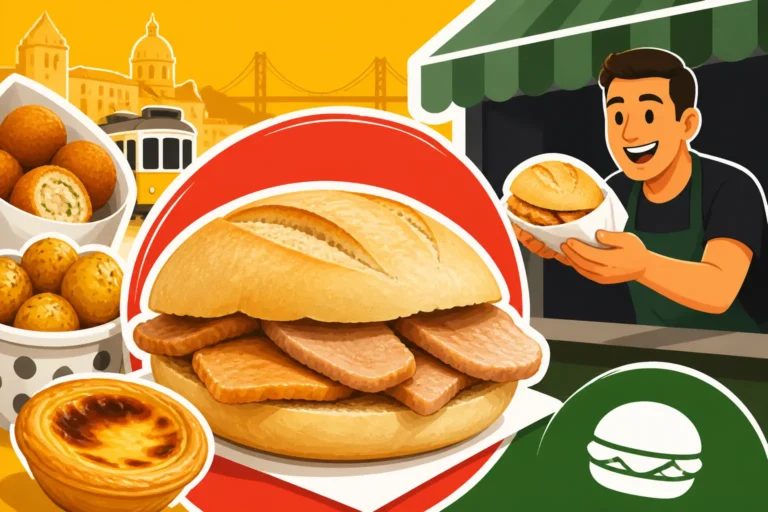
When it comes to dinner, consider venturing a little beyond the immediate tourist hotspots for some truly authentic gastronomic delights. While the francesinha (a hearty sandwich with various meats, covered in melted cheese and a rich, spicy tomato beer sauce) is Porto's most famous dish, don't let it overshadow the city's other culinary treasures. Head to the bustling area around Rua de Santa Catarina or the less-trodden streets of Cedofeita for a wider selection of excellent restaurants.
Look for a place serving Tripas à Moda do Porto (tripe stew), the city's traditional dish, if you’re feeling adventurous. Or, for something more universally appealing, seek out fresh grilled fish (like robalo or dourada), accompanied by local potatoes and vegetables. Portugal's cuisine is incredibly diverse, and Porto, with its strong culinary traditions, is a fantastic place to explore it. Don't forget to pair your meal with a good local wine – whether it's a robust Douro red or another refreshing Vinho Verde.
Navigating Porto: Getting Around Like a Local
Porto's charming, but often steep, terrain means understanding its transport options is key to enjoying your weekend without excessive foot fatigue.
Public Transport: Metro, Buses, and Funiculars
Porto boasts an excellent public transport network that includes a modern metro system, an extensive bus network, and even a historic funicular. The Andante card is your golden ticket for all of these. It's a reusable, rechargeable card that you load with trips or a daily pass. When you buy it initially, you'll pay a small fee for the physical card itself, then top it up. Remember, you need to validate your card by tapping it on the sensor at the station entrance for the metro, or inside the bus, every single time you board, even when transferring. Failing to validate can result in a fine, and Portuguese transport inspectors don't often distinguish between tourists and locals when it comes to adherence to rules.
The Metro is fantastic for covering longer distances quickly, connecting key areas like the airport, the city centre (Trindade, São Bento), and Vila Nova de Gaia. The lines are colour-coded and generally easy to understand, even if you don't speak Portuguese. The frequency is good, especially during daylight hours.
Buses fill in the gaps where the metro doesn't reach, and are invaluable for navigating some of Porto's steeper hills or reaching specific neighborhoods. Google Maps or the official Porto mobility apps are very helpful for planning bus routes in real-time. Just be aware that buses can get crowded, especially during rush hour, and traffic can sometimes cause delays in the narrow city streets.
The Funicular dos Guindais is a fun, albeit short, ride connecting the Ribeira waterfront with the Batalha district, near the upper deck of the Ponte D. Luís I. It's a lifesaver for avoiding a very steep climb and offers lovely views on its way up or down. While it's largely a tourist attraction now, it’s a practical shortcut if you’re moving between these two levels. For planning broader travel within Portugal or to other European destinations, services like Omio can be useful for booking train or bus tickets efficiently, but for local Porto transit, the Andante card is your focus.
Walking and Taxis/Ride-Shares
Porto is fundamentally a city best explored on foot. Its charm lies in getting lost in its labyrinthine alleys, discovering hidden viewpoints, and stumbling upon charming cafes. However, and this is a big "however" for many, Porto is hilly. Very hilly. Cobblestone streets, steep inclines, and numerous staircases are part of its character, but they can be a challenge for those with mobility issues or after a long day of sightseeing. Comfortable, supportive walking shoes are an absolute non-negotiable. Don't even think about heels or flimsy sandals if you plan to do serious exploring.
When your legs are screaming for a break, or if you need to get somewhere quickly and directly, taxis or ride-sharing apps like Uber and Bolt are your best friends. They are generally affordable compared to many other European cities, and readily available. You can hail a taxi on the street, find them at designated stands (like outside São Bento station), or simply use your app. This is particularly useful for getting to and from dinner in the evening, or for reaching attractions a little further afield like the Casa da Música without breaking a sweat. Just remember that many of Porto's historic streets are narrow and one-way, so a short distance on the map might involve a slightly longer detour by car.
Consider a mix of transportation methods. Walk as much as you can to truly experience the city's nooks and crannies, but don't hesitate to use the metro for longer stretches or call a Bolt when the hills become too much. This balanced approach will allow you to see more and enjoy your time without feeling constantly exhausted.
Essential Porto Survival Guide
Beyond the itinerary, a few insider tips can elevate your Porto weekend from great to truly unforgettable.
What to Eat Beyond Francesinha
While the francesinha is undeniably Porto's most famous culinary export, a truly authentic experience requires venturing beyond this behemoth of a sandwich. Don't get me wrong, it's an experience, but Porto's cuisine has so much more to offer.
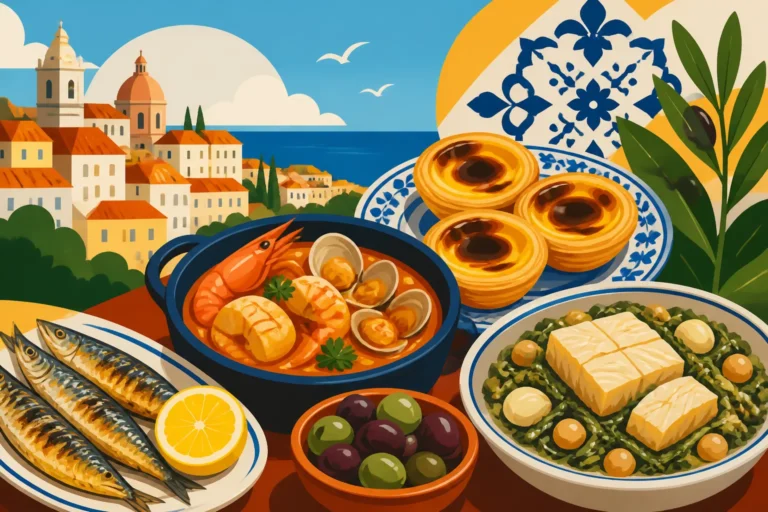
Seafood is king here, given its proximity to the Atlantic. Look for bacalhau (codfish) prepared in countless ways – Bacalhau à Gomes de Sá (cod with potatoes, onions, and olives) is a local favourite, or try a lighter Bacalhau com Natas (cod with cream). Fresh grilled fish like sardinhas (sardines, especially in summer), robalo (sea bass), or dourada (sea bream) are simple yet incredibly flavourful, often served with boiled potatoes and a generous drizzle of olive oil.
For meat lovers, Tripas à Moda do Porto is the city's true signature dish – a hearty stew of tripe, white beans, various meats, and spices. It's not for everyone, but if you're adventurous, it’s a must-try to understand the city's culinary roots. The locals are even called tripeiros (tripe eaters)! Another classic is Arroz de Cabidela, a rice dish cooked with chicken's blood, which is surprisingly rich and delicious if you can get past the initial concept.
And let's not forget the pastries. Beyond the ubiquitous pastel de nata, seek out bolinhos de bacalhau (codfish cakes) – a salty, savoury delight, often enjoyed with a glass of crisp white wine. For something sweet, try Tigelada, a baked custard, or Pão de Ló, a light sponge cake. Pair any of these with a strong Portuguese espresso (bica or cimbalino). Remember to always ask for your NIF at the supermarket to get tax benefits on your purchases, as explained in the e-Fatura guide, though it won't directly impact your weekend meals!
Language and Basic Phrases
While many people in Porto, especially those working in tourism, speak excellent English, making an effort to learn a few basic Portuguese phrases will go a long way. Locals truly appreciate the effort, and it can unlock warmer interactions.
Start with the essentials:
- Olá (Oh-lah) – Hello
- Bom dia (Bom dee-ah) – Good morning
- Boa tarde (Boh-ah tar-dih) – Good afternoon
- Boa noite (Boh-ah noy-tih) – Good evening/night
- Obrigado/a (Oh-bree-gah-doo / Oh-bree-gah-dah) – Thank you (masculine/feminine)
- Por favor (Por fah-vor) – Please
- Com licença (Kom lee-sen-sah) – Excuse me (to get past someone)
- Desculpe (Dish-kool-peh) – Excuse me/Sorry (to apologize)
- Sim / Não (Seen / Nown) – Yes / No
- Quanto custa? (Kwan-toh koos-tah) – How much does it cost?
- A conta, por favor (Ah kon-tah, por fah-vor) – The bill, please
Even just a few words like "Olá" and "Obrigado" can brighten someone's day and show respect for the local culture. Don't be shy; most Portuguese people are very patient with foreigners attempting their language. If you're considering a longer stay in Portugal, you might even consider exploring resources for Learning European Portuguese: Top Apps, Tutors, and Free Government Classes.
Avoiding Crowds and Tourist Traps
Porto's popularity means that some areas can get incredibly crowded, especially during peak season (summer, public holidays, and weekends). While it’s impossible to avoid all crowds, a few strategies can help you experience Porto more authentically.
Early Bird Gets the Worm: Start your sightseeing early in the morning. Places like São Bento station, the Sé Cathedral, and even the Ribeira district are significantly more peaceful before 9 or 10 AM. This gives you a chance to enjoy the beauty without battling throngs of people. Livraria Lello, while always busy, can be slightly less chaotic right when it opens.
Venture Off the Beaten Path: While the main attractions are popular for a reason, don't be afraid to wander into side streets and less-hyped neighborhoods. Areas like Foz do Douro (where the Douro meets the ocean), or the more residential parts of Cedofeita or Bonfim, offer a glimpse into local life and often have charming cafes, shops, and restaurants that are less tourist-oriented and often better value.
Pre-book Popular Activities: For essential experiences like port cellar tours (especially specific ones like Taylor's or Graham's), booking in advance through platforms like GetYourGuide can save you valuable time waiting in lines or risking a sold-out tour. The same goes for any specific Fado shows you might want to attend.
Embrace the Unexpected: Porto is a city of delightful surprises. Sometimes the best experiences come from simply allowing yourself to get lost, stumbling upon a hidden miradouro (viewpoint) or a local padaria (bakery). Let go of the need to tick every box on a list and simply enjoy the atmosphere. While you're at it, remember that navigating some of the common tourist scams in Lisbon and Porto can be a handy skill, though Porto generally feels very safe and welcoming.
Weekend in Porto: Suggested Itinerary Snapshot
Here’s a quick overview of how you could structure your weekend:
| Time Slot | Day 1: Riverside & Wine | Day 2: Culture & Views |
|---|---|---|
| Morning | Explore Ribeira District & Walk Ponte D. Luís I (upper) | Admire São Bento Station's azulejos, visit Sé Cathedral |
| Late Morning | Take Funicular (or walk) up to Batalha | Experience Livraria Lello (buy tickets in advance!) |
| Lunch | Riverside cafe in Ribeira or a local tasca | Lunch in Baixa or near Clérigos Tower |
| Afternoon | Cross to Vila Nova de Gaia, Port Cellar Tour & Tasting | Climb Clérigos Tower for views, explore Carmo & Carmelitas |
| Late Afternoon | Relax by the river in Gaia | Wander through Cedofeita's art galleries & shops |
| Evening | Traditional dinner with river views (Gaia or Ribeira) | Fado show (optional), dinner in a local restaurant (e.g., Bolhão) |
Disclaimer
The information provided in this guide is for general informational purposes only and is subject to change. While we strive to offer the most current and accurate advice based on our expat experiences and recent research, travel regulations, opening hours, prices, and cultural norms in Portugal can evolve. We recommend verifying specific details such as ticket prices, public transport schedules, and visa requirements with official sources closer to your travel dates. This guide does not constitute professional advice, and readers should exercise their own judgment and discretion when planning their trip.