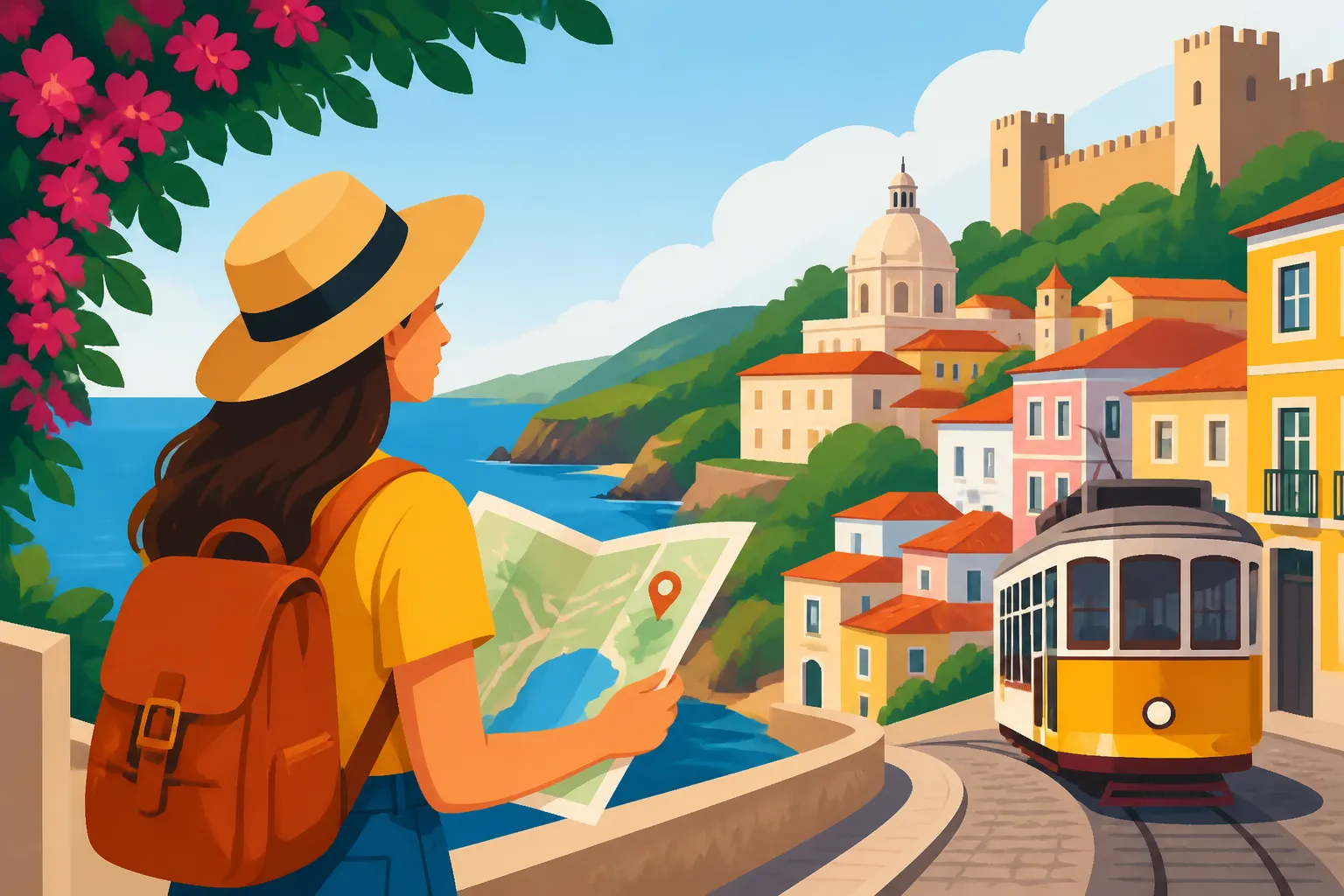
How to Plan a Self-Guided Day Trip in Portugal
Disclosure: This article contains affiliate links. If you buy through them, we may earn a commission at no extra cost to you. Read our full disclosure.
Alright, my fellow expat adventurer, you’ve settled in, gotten your NIF, maybe even mumbled a few "bom dias" – and now you're feeling that itch, aren't you? The urge to explore beyond the familiar cobblestones of Lisbon or the charming alleys of Porto, but the thought of planning it all yourself can feel like wrestling a particularly stubborn octopus. Believe me, I've been there, staring at train schedules in Portuguese, wondering if I'd accidentally book a ticket to Timbuktu. This guide is here to take the mystery out of planning your own unforgettable self-guided day trips in Portugal, helping you confidently venture out into the incredible beauty this country has to offer.
Choosing Your Destination: Beyond the Obvious Postcards
When you're trying to figure out where to go for a day trip from your Portuguese base, it's easy to get caught up in the big names. And yes, places like Sintra and Cascais are absolutely stunning and worth every moment. But Portugal is packed with hidden gems and diverse landscapes that are perfect for a one-day escape. The key is to think about what kind of experience you're truly craving, and then consider the practicalities of getting there and back within a day.
Identifying Your Interests and Desired Vibe
Before you even glance at a map, sit down with a bica and ponder what fuels your wanderlust. Are you a history buff eager to walk in ancient footsteps, or does the thought of a tranquil beach with crashing waves call to you? Maybe you're a food fanatic, dreaming of regional delicacies, or perhaps a nature lover yearning for rolling hills and hiking trails.
For instance, if history and fairytale castles are your jam, then a trip to a medieval town like Óbidos, with its walls you can walk along, is a no-brainer. If you're based in Lisbon, it's easily accessible by bus and offers a completely different vibe than the capital. Or perhaps you're in Porto, and the medieval streets of Guimarães, the birthplace of Portugal, beckon. For those craving the salty air and dramatic cliffs, Nazaré offers immense waves and a fascinating fishing culture, while the serene beaches of the Algarve like those near Lagos or Tavira are perfect for a relaxing escape. Foodies might be drawn to towns renowned for their specific regional dishes – think pastéis de Tentúgal from Coimbra or the rich convent sweets of Alcobaça. You can even browse platforms like GetYourGuide for inspiration, not necessarily to book a tour, but to see what activities and sights are popular in various towns, sparking ideas for your own adventure.
Proximity and Practicality from Your Base City
Once you have a general idea of your interests, it's time to get pragmatic. How far are you willing to travel? A 1-2 hour journey each way usually makes for a comfortable day trip, allowing ample time for exploration without feeling rushed. Any longer, and you might consider an overnight stay, which opens up a whole new set of possibilities (and planning!). Most expats find themselves based in either Lisbon or Porto, which serve as excellent hubs for countless day trip destinations.
From Lisbon, some fantastic options within a reasonable distance include:
- Sintra: (about 40 minutes by train) Iconic palaces, lush gardens. Can be crowded, so go early!
- Cascais: (about 40 minutes by train) A charming coastal town, beautiful beaches, and a relaxed atmosphere.
- Óbidos: (about 1.5 hours by bus) A picturesque walled medieval village. Perfect for a leisurely stroll and Ginjinha tasting.
- Évora: (about 1.5 hours by train/bus) A UNESCO World Heritage site with Roman temples and a Chapel of Bones.
- Setúbal/Arrabida Natural Park: (about 1 hour by train/bus) Offers stunning beaches, fresh seafood, and nature walks.
If you're calling Porto home, consider:
- Braga: (about 40 minutes by train) Known for its religious heritage, grand churches, and vibrant city life.
- Guimarães: (about 1 hour by train) The "birthplace of the Portuguese nation," with a stunning castle and medieval center.
- Aveiro: (about 1 hour by train) The "Venice of Portugal," famous for its canals, moliceiro boats, and ovos moles sweets.
- Coimbra: (about 1-1.5 hours by train) Home to one of Europe's oldest universities, with a rich academic history.
For those in the Algarve, like around Faro, day trips often involve exploring the stunning coastline or nearby historic towns:
- Tavira: (about 40 minutes by train) A charming town with Roman bridges, churches, and island beaches.
- Silves: (about 30 minutes by bus) Home to a magnificent Moorish castle and a quiet, traditional atmosphere.
- Lagos: (about 1 hour by train) Famous for its dramatic cliffs, grottoes, and vibrant old town.
Thinking about Where to Live in Portugal: Lisbon, Porto, Algarve, and Silver Coast Compared can also help you understand which day trips are most convenient from different regions.
Transportation: Navigating Portugal's Roads and Rails
Now that you've picked your destination, how do you get there? Portugal offers a robust public transportation network, but sometimes, having your own wheels is just easier. Choosing the right mode of transport can make or break your day trip experience.
Public Transport: Trains and Buses
For many popular day trip destinations, public transport is not only viable but often preferable. Portuguese trains (Comboios de Portugal, or CP) and intercity buses (like Rede Expressos) are generally reliable, affordable, and quite comfortable. Booking tickets in advance, especially for longer routes or peak times, is always a good idea. Websites like Omio are incredibly useful for comparing train and bus routes, times, and prices all in one place, and often allow you to book tickets directly, saving you the hassle of navigating multiple Portuguese booking sites.
- Trains (CP): Portugal's train network connects major cities and many smaller towns. For common day trips like Lisbon-Sintra or Porto-Braga, regional trains run frequently. You can buy tickets at the station, from vending machines, or online via the CP website. For longer journeys, consider Intercidades (IC) or Alfa Pendular (AP) trains, which are faster but slightly more expensive. Remember, validate your ticket before boarding! If you're based in Lisbon, understanding Using Comboios de Portugal (CP) Trains and the Navegante Pass can be very beneficial even for short regional trips.
- Buses (Rede Expressos, FlixBus, etc.): For destinations not easily reached by train, or if buses offer a more direct route, services like Rede Expressos are excellent. They cover a vast network across the country. FlixBus also operates some popular routes, often at competitive prices. Again, online booking is highly recommended. The bus stations in major cities can be bustling, so give yourself plenty of time to find your gate.
Pros of Public Transport:
- Stress-free: No need to worry about driving, parking, or tolls.
- Economical: Often cheaper than renting a car, especially for solo travelers.
- Relaxing: You can sit back, enjoy the scenery, read a book, or plan your day's activities.
Cons of Public Transport:
- Less Flexible: You're tied to schedules and routes.
- Limited Access: Some smaller, more remote gems might be difficult or impossible to reach.
- Transfers: You might need to transfer between different modes (e.g., train to bus, or bus to local taxi/ride-share) to reach your final destination, which can eat into your day.
Renting a Car: Freedom and Flexibility
For those who love the open road and want the freedom to explore at their own pace, renting a car is an excellent option. This is particularly true if your day trip involves multiple stops or destinations off the main public transport routes. Reputable international companies like Hertz, Avis, and Europcar operate throughout Portugal, alongside local providers. Remember that if you're coming from outside the EU, you might need an International Driving Permit in addition to your home country's license, even though your foreign license might be valid for a certain period. Check out Driving in Portugal: Exchanging Your Foreign License to a Portuguese One if you're planning a longer stay.
Navigating Portuguese Roads and Tolls:
Driving in Portugal can be an adventure! Roads are generally well-maintained, but city driving can be challenging with narrow streets and aggressive drivers. The toll road system is largely electronic, especially on the newer autoestradas. You'll either need a Via Verde transponder (usually rented with the car, or you can buy one at CTT post offices), or you'll have to manually pay tolls at a Multibanco ATM a few days after your journey, which can be confusing for foreigners. Make sure your rental car comes with a transponder for ease of use.
Pros of Renting a Car:
- Maximum Flexibility: Go where you want, when you want, and stay as long as you like.
- Access to Remote Areas: Discover hidden beaches, charming villages, and stunning viewpoints that public transport can't reach.
- Comfort: Ideal for families or groups, allowing you to carry more luggage or picnic supplies.
Cons of Renting a Car:
- Cost: Rental fees, fuel, and tolls can add up quickly.
- Parking: Can be a nightmare in popular towns and cities, often requiring payment or long searches for a spot.
- Stress: Navigating unfamiliar roads, understanding signs in Portuguese, and dealing with aggressive drivers can be daunting.
- Tolls: The electronic toll system can be confusing if you don't have a transponder.
Planning Your Itinerary: Making the Most of Your Day
With your destination chosen and transportation sorted, it's time for the fun part: mapping out your day! A good itinerary strikes a balance between seeing the highlights and allowing for spontaneous discoveries. Don't try to cram too much in – remember, it's a day trip, not a marathon!
Researching Attractions, Opening Hours, and Local Gems
Start by identifying the must-see sights at your chosen destination. Is there a famous monument, a beautiful beach, a renowned restaurant, or a particular shop you want to visit? For example, if you're going to Sintra, you absolutely need to decide which palaces you want to see, as you simply can't do them all justice in a single day. Prioritize what truly appeals to you.
Once you have your list, double-check opening hours and days, especially for smaller museums or historic sites, as these can vary seasonally or on public holidays. A quick web search for "[City Name] tourist office" can often lead you to an official site with up-to-date information. As mentioned earlier, even if you’re planning a self-guided trip, browsing a site like GetYourGuide can give you an excellent overview of popular attractions and their typical operating times. It’s also wise to look up local markets (mercados) or festivals that might be happening on your chosen day – these can add an unexpected layer of charm and authenticity to your trip.
Mapping Out the Day Logistically
This is where you become your own tour guide! Mentally (or physically) walk through your day:
- Morning Arrival: Aim to arrive reasonably early to beat some of the crowds, especially in popular spots like Sintra. Grab a coffee and a pastel de nata to kick off your exploration.
- Main Attraction(s): Dedicate the core of your morning and early afternoon to your primary reasons for visiting. How much time do you realistically need for each? Factor in walking time between sites.
- Lunch Break: Portugal embraces leisurely lunches. Find a local tasca (traditional restaurant) or café away from the main tourist drag for an authentic and often more affordable meal. Consider what kind of Portuguese food you want to try in that region.
- Afternoon Exploration/Relaxation: Depending on your energy levels and interests, you could visit a secondary attraction, explore local shops, or simply find a nice spot to sit and people-watch. If you're near the coast, an afternoon walk along the beach is a fantastic way to unwind.
- Departure: Plan your journey back, making sure you know the last train or bus times, especially if you’re reliant on public transport. Give yourself a buffer!
Use online mapping tools like Google Maps to estimate walking distances and times between your chosen spots. This helps create a realistic schedule and prevents you from feeling rushed. Don't forget to factor in travel time within your day trip destination if it's large, like using tuk-tuks or local buses in Sintra to get between palaces.
Booking Ahead: Tickets, Tours, and Accommodation (if needed)
For popular attractions, especially during peak season (summer, national holidays), booking tickets online in advance can save you a significant amount of time waiting in lines. Many major sites offer online booking with timed entry slots. This ensures you spend your precious day exploring, not queuing.
While this guide focuses on self-guided trips, sometimes a small, focused guided activity within your day trip can enhance the experience. For example, a local food tour, a short boat trip, or a wine tasting at a specific vineyard. You can find and book these through platforms like GetYourGuide.
And, if your "day trip" starts creeping towards a late return or if you fall so in love with a place you decide to stay, having a backup plan for accommodation can be helpful. While not typical for a day trip, keeping Booking.com on your phone can be a lifesaver for last-minute hotel searches, just in case that charming village convinces you to spend the night.
Practicalities and Tips: Making Your Day Trip Seamless
Beyond the itinerary, a few practical considerations will ensure your self-guided day trip is enjoyable and stress-free.
Language and Communication Basics
While many Portuguese people, especially in tourist areas, speak English, venturing into smaller towns might mean encountering fewer English speakers. Learning a few basic Portuguese phrases will go a long way and is always appreciated by locals. "Bom dia" (good morning), "Boa tarde" (good afternoon), "Olá" (hello), "Obrigado/a" (thank you, male/female), "Por favor" (please), and "Desculpe" (excuse me/sorry) are excellent starting points. Having a translation app on your phone, like Google Translate, can be incredibly helpful for deciphering menus or asking for directions. If you're keen to dive deeper, there are many resources for Learning European Portuguese: Top Apps, Tutors, and Free Government Classes.
What to Pack and Wear
Comfort is key! You'll likely be doing a fair amount of walking, often on uneven cobblestones, so comfortable, supportive shoes are an absolute must.
- Layers: Portuguese weather can be unpredictable, especially if you're traveling between coastal and inland areas, or if you start early and finish late. Pack layers that you can easily add or remove.
- Water Bottle: Stay hydrated, particularly if you're exploring in warmer months. You can often refill at fountains or cafes.
- Snacks: While Portugal has fantastic food, having a few snacks on hand can prevent "hangry" moments between meals.
- Sun Protection: Sunscreen, a hat, and sunglasses are vital, even on cloudy days. The Portuguese sun can be surprisingly strong.
- Power Bank: Keep your phone charged for navigation, photos, and emergencies.
- Small First-Aid Kit: Blister plasters, pain relievers, and any personal medications. Knowing where to find Navigating Portuguese pharmacies for common household first-aid items can be helpful in a pinch.
Budgeting for Your Day Trip
Even self-guided trips require a budget. Think about these common costs:
- Transportation: Train/bus tickets or car rental, fuel, and tolls.
- Food and Drink: A coffee and pastry for breakfast, a solid lunch, maybe an afternoon snack, and water. A typical, simple lunch could cost €10-€15 per person.
- Attraction Entry Fees: Research these in advance. Some palaces or museums can be €10-€20 per person.
- Souvenirs/Shopping: Factor in any purchases you might want to make.
- Contingency: Always have a bit extra cash for unexpected costs, like a taxi if you miss a bus, or an irresistible local delicacy.
It's helpful to have some cash on hand, as some smaller establishments, especially in rural areas, might not accept credit cards or only accept Portuguese debit cards (Multibanco). For a broader understanding, you can refer to our guide on the Cost of Living in Portugal 2026: Detailed Budgets for Singles and Families.
Conclusion: Embrace the Portuguese Adventure
Planning a self-guided day trip in Portugal might seem like a lot of moving parts, especially if you're new to the country. But with a bit of research, a clear idea of what you want to experience, and a flexible mindset, you'll find it incredibly rewarding. This country is full of character, beauty, and delicious food just waiting to be discovered beyond the main city limits. So, take a deep breath, pick a spot, and go make some unforgettable Portuguese memories. You've got this, expat explorer!
Disclaimer
The information provided in this guide is for general informational purposes only and is subject to change. While we strive to keep the content up-to-date and accurate, official rules, prices, and opening hours for transportation, attractions, and local businesses in Portugal can vary. It is always recommended to verify details with official sources before making any travel plans or financial commitments.