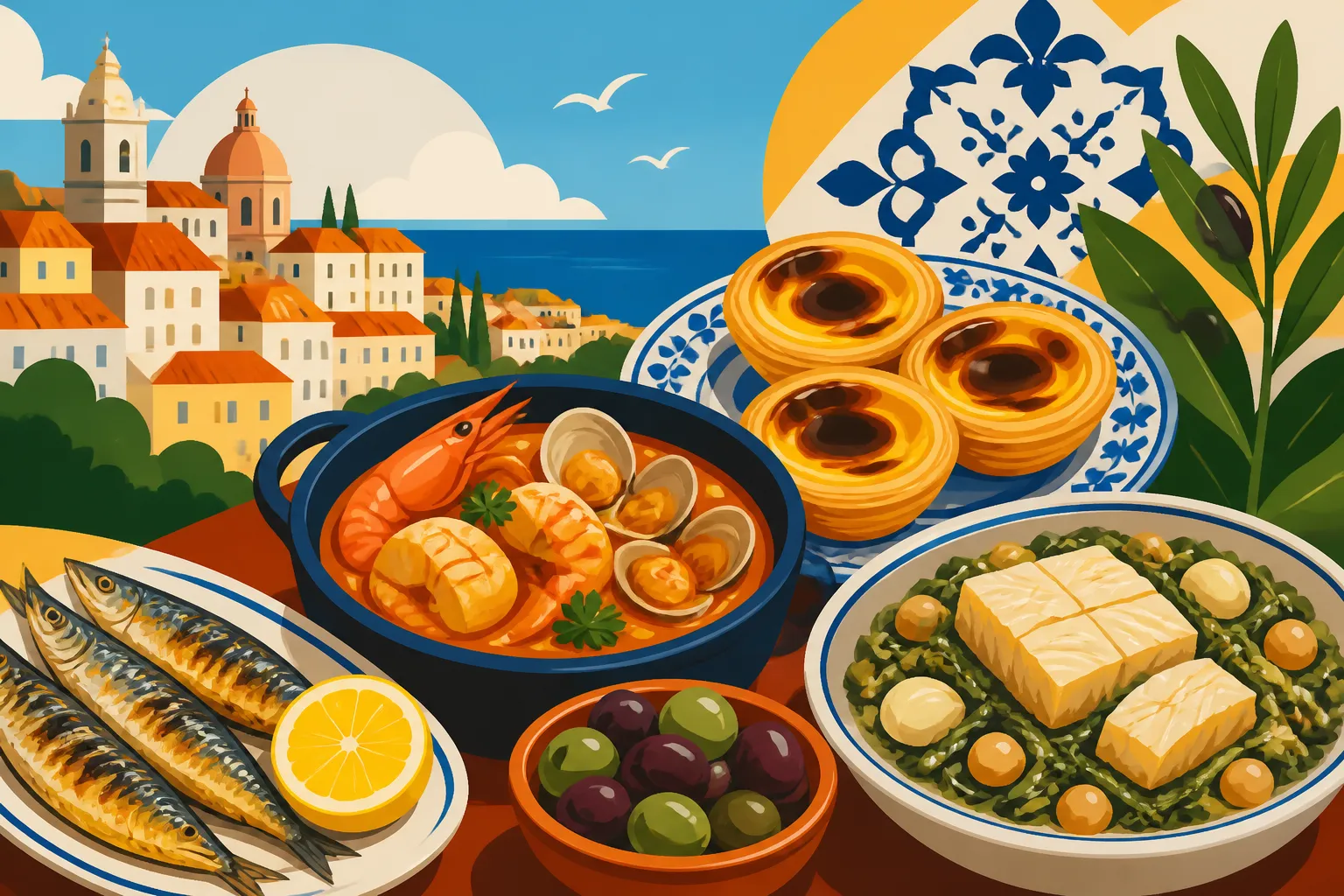
What Are the Must-Try Foods in Portugal?
Disclosure: This article contains affiliate links. If you buy through them, we may earn a commission at no extra cost to you. Read our full disclosure.
Stepping into a Portuguese restaurant for the first time can feel like a delightful, yet slightly overwhelming, adventure. The menus, often bursting with unfamiliar names and ingredients, might leave you wondering where to even begin. Fear not, fellow food lover! This comprehensive guide is designed to help you dive fork-first into the incredible world of Portuguese cuisine, from humble tascas to polished restaurantes.
The Reign of Bacalhau: Portugal's Enduring Love Affair
Ah, bacalhau! If there’s one food that defines Portugal, it’s dried and salted codfish. Don't let the "dried and salted" part fool you; this isn't just a basic ingredient. It's a national obsession, a cultural cornerstone, and reputedly, there are 365 different ways to prepare it—one for every day of the year. While that might be a slight exaggeration, the sheer variety is astounding, and you absolutely must try at least a few preparations to truly understand Portugal's culinary soul.
Bacalhau à Brás: A Comforting Classic
If you're new to the world of bacalhau, starting with Bacalhau à Brás is like getting a warm hug from a Portuguese grandmother. This dish is the epitome of comfort food: shredded codfish, finely chopped fried potatoes, onions, and scrambled eggs, all mixed together with a sprinkle of fresh parsley and black olives. The key here is the texture – it’s soft, savory, and incredibly moreish, with the saltiness of the cod beautifully balanced by the potatoes and eggs. You’ll find it on menus everywhere, from humble local eateries to more upscale establishments, and it’s always a reliable choice. It's a testament to how simple ingredients can create something truly extraordinary when handled with love and tradition. Many expats find this to be their gateway drug to codfish, often surprised by how appealing it is compared to their initial preconceptions.
Bacalhau com Natas: Creamy Indulgence
For those who prefer something a bit richer, Bacalhau com Natas, or codfish with cream, is an absolute must-try. Imagine layers of shredded cod, thinly sliced fried potatoes, and sautéed onions, all bathed in a decadent, creamy sauce and baked to golden perfection in the oven. The top usually boasts a beautiful crust, sometimes with a sprinkle of cheese. This dish is pure indulgence, warming and satisfying, especially on a cooler evening. It’s a wonderful example of how the Portuguese transform bacalhau into something utterly luxurious, completely different from its humble origins. Visitors are often surprised on their first bite by the depth of flavor in this seemingly simple gratin.
Bacalhau à Lagareiro: A Taste of the Countryside
If you're after a more rustic, robust codfish experience, Bacalhau à Lagareiro is your go-to. This preparation typically involves a whole or large fillet of cod, roasted in the oven with generous amounts of olive oil, alongside "punched" potatoes (batatas a murro) – small, boiled potatoes that are then crushed slightly and roasted until crispy. The dish is often garnished with plenty of roasted garlic cloves and fresh herbs. The beauty of Bacalhau à Lagareiro lies in its simplicity and the quality of its ingredients. The cod is flaky and succulent, imbued with the rich flavor of olive oil, and the potatoes are crispy on the outside, tender on the inside. It evokes images of traditional countryside meals, hearty and unpretentious.
Beyond the Sea: Meats, Stews, and Hearty Staples
While bacalhau might get all the glory, Portugal's culinary landscape is far from limited to fish. The country offers a delightful array of meat dishes, rich stews, and savory comfort foods that showcase regional diversity and a profound connection to traditional farming. Don't make the mistake of sticking only to seafood; you'd miss out on some truly unforgettable flavors.
Cozido à Portuguesa: The Ultimate Comfort Stew
When winter rolls around, or even on a chilly autumn day, nothing quite hits the spot like Cozido à Portuguesa. This isn't just a dish; it's a monumental feast, a symphony of meats, sausages, and vegetables boiled together to create a deeply flavorful broth and an array of tender components. You’ll typically find various cuts of beef, pork (including pork ribs and trotters), smoked sausages like chouriço and morcela, chicken, and sometimes even alheira (a bread-based sausage). These are cooked alongside a medley of vegetables such as cabbage, carrots, turnips, and potatoes. Each component is cooked perfectly, yielding a rich, hearty, and incredibly satisfying meal. It’s a dish meant for sharing, often served on large platters. Trying Cozido is an experience in itself, offering a glimpse into Portugal's rural culinary heritage, where every part of the animal and garden was utilized to create nourishing meals. Don't be shy; dig in and try a bit of everything!
Leitão Assado: Suckling Pig Perfection
If you find yourself outside the main cities, particularly in the Bairrada region (think Mealhada or Coimbra), you absolutely must seek out Leitão Assado, or roasted suckling pig. This dish is a masterpiece of Portuguese roasting, featuring incredibly tender, succulent meat encased in a shatteringly crispy, golden-brown skin. The piglet is typically roasted slowly in a wood-fired oven, often seasoned simply with garlic, salt, and pepper, allowing the natural flavors of the pork to shine. It's usually served with perfectly crisp potato chips (not fries, but thin, hand-cut crisps) and a vibrant orange-infused dipping sauce that cuts through the richness of the meat. Eating leitão is a festive affair, a celebration of texture and flavor, and truly one of Portugal’s signature meat dishes. If you're planning a trip, consider booking a table at a specialized leitão restaurant on Booking.com in advance, as they can get quite busy, especially on weekends.
Francesinha: Porto's Iconic Sandwich
Venture north to Porto, and you'll encounter the legendary Francesinha. This isn't just a sandwich; it’s an architectural marvel and a serious culinary challenge, designed to cure any hangover or hunger pang. Imagine layers of various meats—fresh sausage, linguiça (smoked sausage), ham, and steak—piled between two slices of bread, generously covered with melted cheese, and then drowned in a thick, rich, slightly spicy tomato and beer sauce. Often, it's topped with a fried egg and served with a mountain of French fries. It's a glorious, messy, and utterly delicious creation, a true testament to Porto's hearty cuisine. Each café or restaurante in Porto prides itself on its unique Francesinha sauce, making it a quest to find your favorite. Trust me, it’s an experience you won’t forget, and perhaps one you’ll want to walk off with a stroll along the Douro.
| Dish Name | Main Ingredients | Typical Region | Flavor Profile |
|---|---|---|---|
| Bacalhau à Brás | Shredded cod, fried potatoes, onions, scrambled eggs | National | Salty, savory, comforting, soft texture |
| Bacalhau com Natas | Shredded cod, fried potatoes, cream, onions | National | Rich, creamy, indulgent, baked crust |
| Bacalhau à Lagareiro | Roasted cod fillet, "punched" potatoes, olive oil, garlic | National | Rustic, robust, olive oil-infused, flaky cod |
| Cozido à Portuguesa | Various meats (beef, pork, sausages), vegetables | National (rural areas) | Hearty, deeply savory, comforting, meaty |
| Leitão Assado | Roasted suckling pig | Bairrada (Mealhada) | Crispy skin, tender meat, savory, rich |
| Francesinha | Stacked meats, bread, melted cheese, spicy beer sauce | Porto | Rich, savory, spicy, cheesy, very filling |
| Caldo Verde | Kale, potato, chouriço, olive oil | National (Minho) | Earthy, comforting, slightly smoky |
| Arroz de Pato | Duck, rice, chouriço | National | Rich, savory, tender duck, baked crust |
| Cataplana de Marisco | Mixed seafood, tomatoes, herbs, white wine | Algarve | Fresh, oceanic, aromatic, flavorful broth |
Sweet Endings and Street Treats: Portugal's Dessert Delights
No culinary journey through Portugal is complete without indulging in its magnificent array of sweets and pastries. The country has a rich history of confectionary, largely influenced by convents and monasteries where nuns and monks would create elaborate desserts using egg yolks (left over from using egg whites to starch habits). Prepare your sweet tooth for a delightful adventure!
Pastel de Nata: The Icon of Portuguese Pastry
This one probably needs no introduction, but it’s impossible to talk about Portuguese food without mentioning the Pastel de Nata. These small, creamy custard tarts, with their flaky, caramelized crusts and burnt tops, are a national treasure. The moment you bite into a warm pastel, fresh out of the oven, sprinkled with a little cinnamon and powdered sugar, you'll understand why it's so beloved. The contrast between the crispy pastry and the smooth, warm custard is simply divine. While you can find them everywhere, from bustling city bakeries to tiny village cafés, the original and arguably best are still found at Pastéis de Belém in Lisbon. A trip to Portugal really isn't complete without experiencing this culinary marvel, perhaps after exploring the Jerónimos Monastery.
Ovos Moles de Aveiro: Delicate Egg Yolk Sweets
If you find yourself in the charming canalside city of Aveiro, you absolutely must try Ovos Moles. These delicate sweets, often shaped like shells or fish, consist of a rich, sweet egg yolk cream encased in a thin wafer-like shell. They are incredibly rich and intensely sweet, a direct legacy of those convent recipes that utilized vast quantities of egg yolks. The texture is smooth and velvety, melting in your mouth. They're typically sold in charming wooden barrels or small, intricate boxes, making them a perfect souvenir—though they rarely last long once you get a taste!
Bolo de Bolacha: The Unbaked Layer Cake
For a comforting, home-style dessert, Bolo de Bolacha is a beloved choice. This "biscuit cake" is essentially an unbaked cake made from layers of Maria biscuits (a simple, round cookie) softened with coffee, alternated with a rich butter cream. The layers are stacked and then chilled, allowing the biscuits to absorb the coffee and the cream to set, creating a surprisingly decadent and satisfying dessert. It’s reminiscent of a tiramisu but distinctly Portuguese, often found in home kitchens and traditional restaurants. It’s simple, yet profoundly delicious, and a perfect example of how the Portuguese make the most of humble ingredients.
Soups, Sides, and Sips: The Full Portuguese Experience
Beyond the main dishes and desserts, Portugal offers a fantastic supporting cast of soups, appetizers, and beverages that are integral to the dining experience. These elements add layers of flavor, texture, and cultural context to every meal, truly enhancing your understanding of Portuguese cuisine.
Caldo Verde: Portugal's Humble Green Soup
Caldo Verde, or "green broth," is Portugal's national soup, and for good reason. It’s a deceptively simple yet incredibly flavorful and comforting dish. Made with a base of pureed potatoes and finely shredded collard greens (couve galega), it’s traditionally garnished with thin slices of chouriço (smoked sausage) and a drizzle of olive oil. Served piping hot, often as a starter or a late-night snack, it's light enough to prepare your palate for the meal ahead but hearty enough to be satisfying on its own. It's particularly popular in the northern Minho region but you'll find it everywhere. This soup embodies the Portuguese appreciation for fresh, local ingredients and simple, honest flavors.
Queijo and Enchidos: Cheese and Cured Meats
Before your main course arrives, you’ll often be presented with a selection of entradas (starters). Among the most common and delightful are regional cheeses (queijos) and cured meats (enchidos). Portuguese cheeses are often firm and tangy, made from sheep, goat, or cow's milk. Don't miss Queijo da Serra da Estrela, a soft, buttery sheep’s cheese from the Serra da Estrela mountains, often served spooned out of its rind. As for enchidos, chouriço (a smoky sausage, often grilled at the table), presunto (cured ham), and linguiça are staples. These are perfect for nibbling with some fresh bread and olives, accompanied by a glass of local wine. It’s a lovely way to kick off any meal and get a taste of the regional produce.
Ginjinha: The Cherry Liqueur Tradition
After a satisfying meal, especially in Lisbon or Óbidos, you might be offered a shot of Ginjinha, a sweet cherry liqueur. This traditional Portuguese digestif is made from sour cherries (ginjas) infused in alcohol, often with sugar and spices. It's typically served in a small shot glass, sometimes with a few cherries at the bottom. You can even find it served in small, edible chocolate cups in tourist areas, which is a fun and delicious way to enjoy it. Ginjinha is sweet, potent, and incredibly warming, a perfect end to a rich meal or a lovely pick-me-up during a stroll through a historic neighborhood. It's a taste of genuine Portuguese tradition, often made by local families for generations. You might also want to explore a local market to pick up some regional delicacies, and perhaps use a platform like GetYourGuide to find a guided food tour that includes these hidden gems.
Getting Around for Your Gastronomic Adventures
Exploring Portugal’s diverse culinary landscape often means venturing beyond Lisbon and Porto. For instance, to truly experience Leitão Assado, a trip to the Bairrada region is highly recommended. To make travel between cities smooth and enjoyable, you could consider using Omio to book train or bus tickets, allowing you to sample regional specialties without the hassle of driving. Whether you're planning a day trip from Lisbon to Aveiro for Ovos Moles or heading south to the Algarve for fresh seafood cataplanas, reliable transport makes all the difference. Many of Portugal's smaller towns and villages hold culinary treasures that are well worth the journey, and exploring them is part of the expat adventure. Don't forget that if you're exploring different regions, finding local, well-reviewed tascas can lead to some of the best culinary surprises, and reading local reviews on platforms like Google Maps or even checking out guides on Booking.com for food-centric stays can point you in the right direction.
Disclaimer
Please remember that while this guide provides extensive information based on my experience and current knowledge, immigration and local regulations can change rapidly in Portugal. Always consult official government websites, legal professionals, or certified experts for the most up-to-date and personalized advice before making any significant decisions regarding your relocation or legal status.