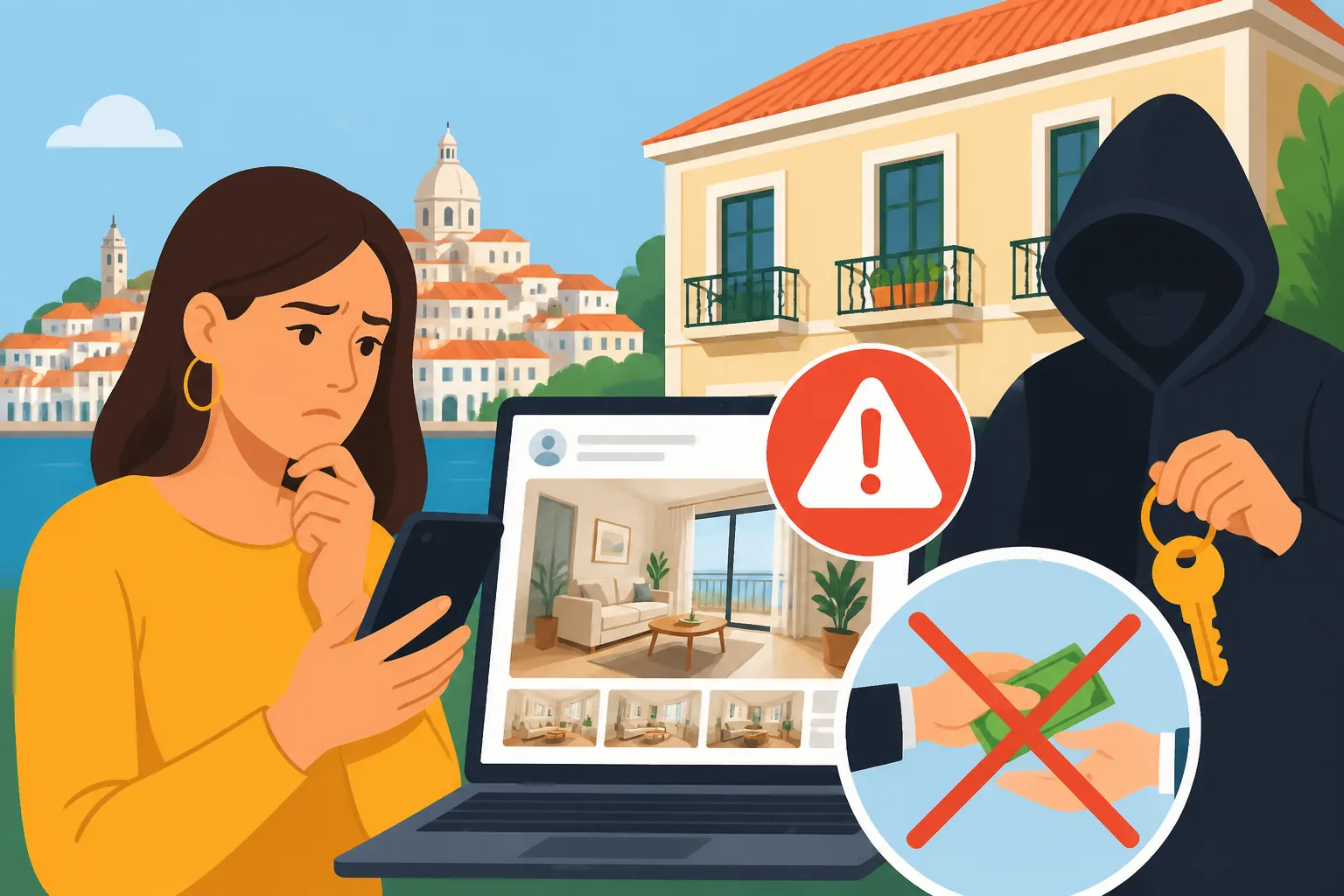
How to Spot Rental Scams in Portugal Before Paying
Ah, the quest for a new home in Portugal. It’s an exciting adventure, full of daydreams about sun-drenched balconies and charming cobbled streets. But let me tell you, as someone who’s navigated these waters more than once, that initial excitement can quickly turn to a stomach-dropping dread when you encounter the dark underbelly of the rental market: scams. There’s nothing quite like realizing you’ve poured your hopes and hard-earned cash into a phantom property. This guide is here to arm you with the knowledge you need to spot those sneaky traps before you ever hand over a single euro.
The Lure of a "Too Good to Be True" Deal: Common Red Flags
When you’re desperately searching for a place, especially if you’re trying to secure something before you even arrive in Portugal, every appealing listing feels like a lifeline. But that desperation is exactly what scammers prey on. They dangle tempting offers that, upon closer inspection, should trigger alarm bells.
Unbelievably Low Prices for Prime Locations
We all dream of snagging a bargain, but let's get real about Portugal's rental market, especially in hotspots like Lisbon, Porto, or the Algarve. Prices have been steadily climbing, and a spacious T2 (two-bedroom) apartment in the heart of Lisbon for €600 a month in 2026? That's simply not happening. If you see a gorgeous, well-located property advertised at a significantly lower price than comparable listings, hit the brakes. It's a classic bait tactic. Realistically, a decent one-bedroom in central Lisbon will start well over €800-900, and often much more. In Porto, you might find slightly better value, but anything drastically under market rates for a prime area is a huge red flag. Always cross-reference prices with several reliable sources and understand the going rates for the specific neighborhoods you're interested in.
The Landlord Who's Always "Out of the Country"
This is perhaps the oldest trick in the book, and yet, it still catches people out. The story goes something like this: "I'm a lovely person, but I'm currently working abroad/on a sabbatical/inherited this property and can't be there to show it." They'll then insist you transfer a deposit or the first month's rent (or both!) to "secure" the property, and they'll send you the keys via courier or a friend. You'll often receive professional-looking documents, sometimes even with a fake company logo, to make it seem legitimate. The problem? Once you send the money, the keys never arrive, the "landlord" vanishes, and the apartment you thought you rented either doesn't exist, isn't for rent, or isn't even owned by them.
This scenario highlights why an in-person viewing is absolutely non-negotiable. If you can't be there yourself, arrange for a trusted friend, a relocation agent, or even a reputable rental platform that offers verified viewings, such as Spotahome, to visit on your behalf. Never, ever send money to someone who cannot physically show you the property.
Vague or Lackluster Property Descriptions and Photos
Scammers often recycle photos from other listings or use generic stock images. Pay close attention to the details in the photographs. Do they look professional? Are there many angles of each room, including bathrooms and kitchens? Do the photos seem to genuinely belong to one property, or do they look like a patchwork of different places?
A common red flag is a listing with only a few blurry pictures, or photos that are clearly years old, or just one or two exterior shots. If the description is minimal, lacks specific details about the neighborhood, local amenities, or even the exact address, be suspicious. Legitimate landlords or agencies want to showcase their property and will provide ample, high-quality images and detailed information. Don't be shy about asking for more photos, a video tour, or even a virtual walkthrough. A genuine landlord will be happy to provide this; a scammer will likely deflect or disappear.
Verifying the Property and the "Landlord": Your Due Diligence Checklist
Once you've found a promising listing and avoided the obvious red flags, it's time to put on your detective hat. In Portugal, there are specific documents and procedures that a legitimate landlord will always be able to provide or discuss. Don't feel like you're being pushy; this is your right and your protection.
The Importance of the NIF and Proper Identification
In Portugal, everyone involved in a financial transaction, including landlords and tenants, must have a NIF (Número de Identificação Fiscal), which is your tax identification number. A legitimate landlord will have a NIF and will need yours to draw up a contract. More importantly, you should ask to see their official identification (Cartão de Cidadão or passport) and cross-reference the name with the NIF and other property documents. If they're hesitant or refuse to provide a NIF or ID, walk away. It's that simple. This is a fundamental step in ensuring the person you're dealing with is who they claim to be and is legally able to rent out the property. Remember, without a NIF, they can't legally register the contract.
Property Registration and the Caderneta Predial
This is your golden ticket to verifying ownership. The Caderneta Predial Urbana is a document issued by the Portuguese Tax Authority (Finanças) that contains crucial information about the property, including its legal owner, its tax registration number (Article Matrix Number), location, and official size. This document is public information, and a true owner will have it readily available or be able to acquire it easily.
Here’s how to use it:
- Request it: Ask the "landlord" for a copy of the Caderneta Predial.
- Verify details: Check that the name on the Caderneta Predial matches the name on their ID. Ensure the address and property description align with what's being advertised. If they refuse to provide it or give you excuses, consider it a major warning sign.
- Confirm registration: You can even use the Caderneta Predial number to cross-reference information at the local Conservatória do Registo Predial (Land Registry Office) or online through the Portal do Cidadão, though this usually requires a fee and some Portuguese proficiency.
If the names don't match, or they claim it's a "family property" but their name isn't on the Caderneta, ask for official documentation proving their right to represent the owner (e.g., power of attorney or inheritance documents). Don't just take their word for it. This document is your strongest defense against someone trying to rent a property they don't own.
The Rental Contract (Contrato de Arrendamento)
A legitimate rental in Portugal always involves a formal, written contract. And here's the kicker: this contract must be registered with the Portuguese Tax Authority (Finanças). Without a registered contract, you have virtually no legal protection as a tenant. You can't deduct rent from your taxes (if applicable), and you have no recourse if disputes arise. Many expats fall into the trap of accepting informal agreements or unregistered contracts to save a few euros on taxes, only to find themselves in precarious situations later.
A proper Portuguese lease contract should clearly state:
- The full names and NIFs of both the landlord(s) and tenant(s).
- The full address and property registration number (Caderneta Predial number).
- The start and end dates of the lease.
- The monthly rent amount and payment due date.
- The amount of the security deposit (caução) and conditions for its return.
- The terms for renewal and termination.
- Any specific clauses regarding maintenance, pets, or sub-letting.
Always insist on a written contract, read every line carefully, and ensure it's translated if you don't understand Portuguese fluently. You might want to consider Renting an Apartment in Portugal: Contracts, Fees, and Tenant Rights for a deep dive into what to expect in Portuguese lease agreements. Crucially, verify that the landlord will register the contract with Finanças. You can even confirm this registration yourself through the Portal das Finanças after the fact, usually by checking your e-fatura account. If your landlord fails to register it, you can report it, which will force their hand and provide you with legal standing. For more details on this process, you can refer to Registering your rental contract with Finanças: Why your landlord must do it.
Safe Payment Practices and Avoiding Pressure Tactics
Once you're confident in the property and the landlord, the final hurdle is the payment. This is where many scams culminate, as the goal is always to get your money into their pockets, untraceably.
Never Pay Before Seeing the Property (or Having it Verified)
This cannot be stressed enough: do not pay any significant amount of money – no deposit, no first month's rent – before you or a trusted representative have physically seen the property. Even "holding deposits" or "reservation fees" are highly risky if you haven't verified everything. Scammers often use these small upfront payments as a way to filter for desperate individuals, knowing that once a small sum is sent, people are more likely to send larger amounts to "recover" their initial investment.
There are legitimate platforms, like Spotahome, that offer verified listings and secure payment systems, allowing you to book remotely with a layer of protection. These services usually involve the platform holding the payment until you've moved in and confirmed the property. However, for direct landlord interactions, always prioritize seeing the property first.
The Dangers of Untraceable Payment Methods
Scammers love untraceable payment methods. If a "landlord" asks you to send money via Western Union, MoneyGram, cryptocurrency, or to a foreign bank account in a personal name, run for the hills. These methods are virtually impossible to trace or reverse once the money is sent. You'll have no recourse.
Legitimate payment methods in Portugal typically include:
- Bank Transfer (Transferência Bancária): This is the most common and safest method. Ensure the transfer is to a Portuguese bank account (starting with PT50…) and that the account holder's name matches the landlord's name on the contract. Keep all receipts and transaction details.
- MB Way: This is a popular Portuguese payment app linked to bank accounts. While convenient, only use it with individuals you've thoroughly vetted.
- Cash (less common for large sums): While cash is used, paying a security deposit or first month's rent in cash is less common for foreigners and should always be accompanied by a signed, dated receipt detailing the amount, purpose, and NIFs of both parties.
Never feel pressured to use a payment method you're uncomfortable with. Your financial security is paramount.
Pressure to Act Fast and Emotional Manipulation
Scammers are masters of creating urgency and playing on your emotions. You might hear lines like, "I have 10 other people ready to sign, so you need to pay the deposit today!" or "It's a really popular apartment, it won't last!" While the rental market in desirable areas can indeed be competitive, a legitimate landlord will give you a reasonable amount of time to review the contract, ask questions, and arrange payment. They won't demand immediate payment under extreme pressure without you having done your due diligence.
Take a deep breath. If something feels off, it probably is. It's better to miss out on a "deal" than to lose a significant sum of money and be left without a home. Consult with friends, expat groups, or even a lawyer before making any rushed decisions. If the landlord seems annoyed by your questions or requests for more information, that's another sign to step back.
Leveraging Trusted Resources and Platforms
You don't have to navigate the Portuguese rental landscape alone. There are many legitimate resources and people who can help you.
Reputable Rental Platforms and Agencies
Using established platforms and licensed real estate agencies can significantly reduce your risk. These entities have a vested interest in maintaining their reputation and typically have verification processes in place.
- Portuguese Real Estate Agencies: Look for agencies registered with the Instituto dos Mercados Públicos, do Imobiliário e da Construção (IMPIC). They often have storefronts, websites, and will provide official receipts. While agency fees exist, the peace of mind can be priceless.
- Online Rental Platforms: Besides local Portuguese sites like Idealista or Imovirtual, platforms designed for expats often offer additional safeguards. For instance, Spotahome specializes in verified rentals, sending professional photographers and home checkers to confirm properties, offering virtual tours, and handling secure payments. This can be a particularly useful option if you need to secure housing before you physically arrive in Portugal. While no platform is 100% foolproof, those that actively verify listings add a crucial layer of protection. For insights on navigating these platforms, you might find Idealista vs Imovirtual: Which platform is better for finding long-term rentals? helpful.
Local Expat Groups and Community Wisdom
Online expat communities on platforms like Facebook are a fantastic resource for gathering local knowledge. Search for "Expats in Lisbon," "Porto Digital Nomads," or similar groups. Many members are keen to share their experiences, warn others about recent scams, and even recommend trusted landlords or agencies.
However, be cautious about accepting direct rental offers from individuals within these groups without doing your own verification. While many are genuinely trying to help, scammers also lurk in these spaces, using the trust of the community to find their next target. Always apply the same due diligence steps, regardless of where you found the listing. You can often ask for warnings about known scam patterns or names of specific individuals to avoid.
Professional Assistance: Lawyers and Relocation Services
For peace of mind, especially with a significant investment like a long-term rental or property purchase, consider hiring a local lawyer or a reputable relocation service. A lawyer can review your lease contract, ensure all clauses are legal and fair, and verify the property ownership and landlord's credentials. They will understand the nuances of Portuguese law, which can be invaluable if you're not fluent in the language. While an additional cost, it's a small price to pay to avoid potentially devastating losses. Relocation services often have established networks of trusted landlords and agents, streamlining the process and minimizing risks. This is especially true if you are concerned about specific clauses, like those related to Are pets legally allowed in rented apartments in Portugal? 2027 Facts.
Red Flags vs. Green Lights: A Quick Guide
Here’s a simple table to help you quickly assess a rental situation:
| Red Flags (Be Wary!) | Green Lights (Good Signs!) |
|---|---|
| Rent significantly below market value. | Rent in line with comparable properties in the area. |
| Landlord refuses to show ID or NIF. | Landlord readily provides NIF and personal identification. |
| Landlord is "out of the country" and can't show property. | Landlord (or trusted agent) conducts in-person viewings. |
| Requests payment via Western Union, crypto, or foreign account. | Requests bank transfer to a Portuguese bank account in their name. |
| Only a few blurry or generic photos, vague description. | Many high-quality photos, detailed description, video tours available. |
| No formal written contract, or contract not registered with Finanças. | Provides a clear, written, legally sound contract registered with Finanças. |
| Pressures you to pay immediately without time for checks. | Patiently answers questions and allows time for due diligence. |
| Refuses to provide Caderneta Predial or property registration details. | Provides Caderneta Predial matching their ID and property details. |
| Communication is broken English or seems automated. | Clear, consistent, and personalized communication. |
| Requests excessive upfront payments (e.g., 6+ months rent). | Typically requests 1-2 months deposit plus 1-2 months rent upfront. |
Essential Steps to Protect Yourself
- Do Your Research: Before you even start looking at specific properties, get a realistic understanding of rental prices in Portugal, especially in areas like Lisbon, Porto, and the Algarve. Resources like Lisbon Neighborhood Guide: Best Areas for Expats and Digital Nomads or Porto Neighborhood Guide: Where to Live for Culture, Tech, and Family can give you a good starting point.
- Verify, Verify, Verify: Always aim for an in-person viewing. If you can't be there, use a trusted friend, agent, or a platform like Spotahome that provides verification services. Get copies of the landlord’s ID and NIF, and the property’s Caderneta Predial.
- Insist on a Formal Contract: A written, registered rental contract is your legal shield. Understand its terms, especially around the deposit, which is crucial for Getting your rental deposit (Caução) back: Move-out cleaning tips for Portugal. Don't skip this step to save a little on taxes; the potential cost is far greater.
- Use Safe Payment Methods: Stick to traceable bank transfers to a Portuguese account in the landlord's name. Avoid any untraceable methods.
- Don't Rush: Take your time, ask all your questions, and never let anyone pressure you into a quick decision or payment. Even with competitive markets, a truly legitimate offer will still be there after a day or two of verification.
Finding a place in Portugal can be challenging, and the temptation to jump on a great deal is strong. But by being vigilant, informed, and a little bit skeptical, you can avoid the heartache and financial loss of rental scams. Trust your gut, do your homework, and you'll find your perfect Portuguese home without falling victim to those looking to take advantage. And when you do, remember the nuances of Portuguese living, like getting your utilities set up properly which is detailed in Setting Up Utilities in Portugal: Electricity, Gas, Water, and Internet, or understanding the intricacies of a Portuguese Lease Contracts (Contrato de Arrendamento): What to Look For. Be aware of requirements like the fiador (guarantor) and how to manage without one, as covered in The Role of the Fiador (Guarantor) and How Expats Can Rent Without One, and familiarize yourself with Understanding the Portuguese Rental Market: T0, T1, T2 Layouts Explained. For information on upfront costs, see How much rent should I pay upfront if I don't have a Portuguese Fiador?.
Disclaimer
The information provided in this guide is for general informational purposes only and does not constitute legal or financial advice. While we strive to provide accurate and up-to-date information, rental laws and scam tactics can evolve. Always consult with a qualified legal professional or real estate expert in Portugal for advice tailored to your specific situation. We are not responsible for any losses incurred from relying on this information.