How to Send Money to Portugal With Low Fees
Disclosure: This article contains affiliate links. If you buy through them, we may earn a commission at no extra cost to you. Read our full disclosure.
Losing hundreds of Euros on your very first rent deposit because of hidden bank fees is a rite of passage no expat wants to experience. Many newcomers find themselves staring at their phone in disbelief as their home bank swallows a massive chunk of their savings during a simple transfer. This guide solves the confusion around international transfers, showing you how to avoid the "bank robbery" of traditional wire fees.
The Hidden Costs of Sending Money Through Traditional Banks
When you first start looking into Transferring Money to Portugal: Saving on Exchange Rates and Fees, your instinct might be to simply log into your existing home bank account and hit "send." This is almost always the most expensive mistake you can make. Traditional high-street banks in the US, UK, or Canada often advertise "low fees" or even "zero commission," but they are rarely being honest about the total cost.
The real cost of a bank transfer is hidden in the exchange rate spread. Banks don't give you the mid-market rate—the one you see when you search on Google. Instead, they add a markup of anywhere from 3% to 5%. On a €10,000 transfer for a house deposit, that is €500 gone before the money even arrives in Lisbon. Then, you have the SWIFT fees. Because your home bank likely doesn’t have a direct relationship with a Portuguese bank like Millennium BCP or Caixa Geral de Depósitos, the money travels through "correspondent banks." Each of these middle-men takes a small cut, usually between €15 and €50, often leaving you with less than the exact amount you needed to pay your landlord.
Beyond the financial loss, banks are notoriously slow. A standard wire transfer can take three to five business days. If you are trying to secure a rental in the competitive Lisbon market, three days is an eternity. By the time your funds clear, that perfect T1 in Arroios has already been snatched up by someone using a faster service.
Using Specialized Digital Transfer Services for Better Rates
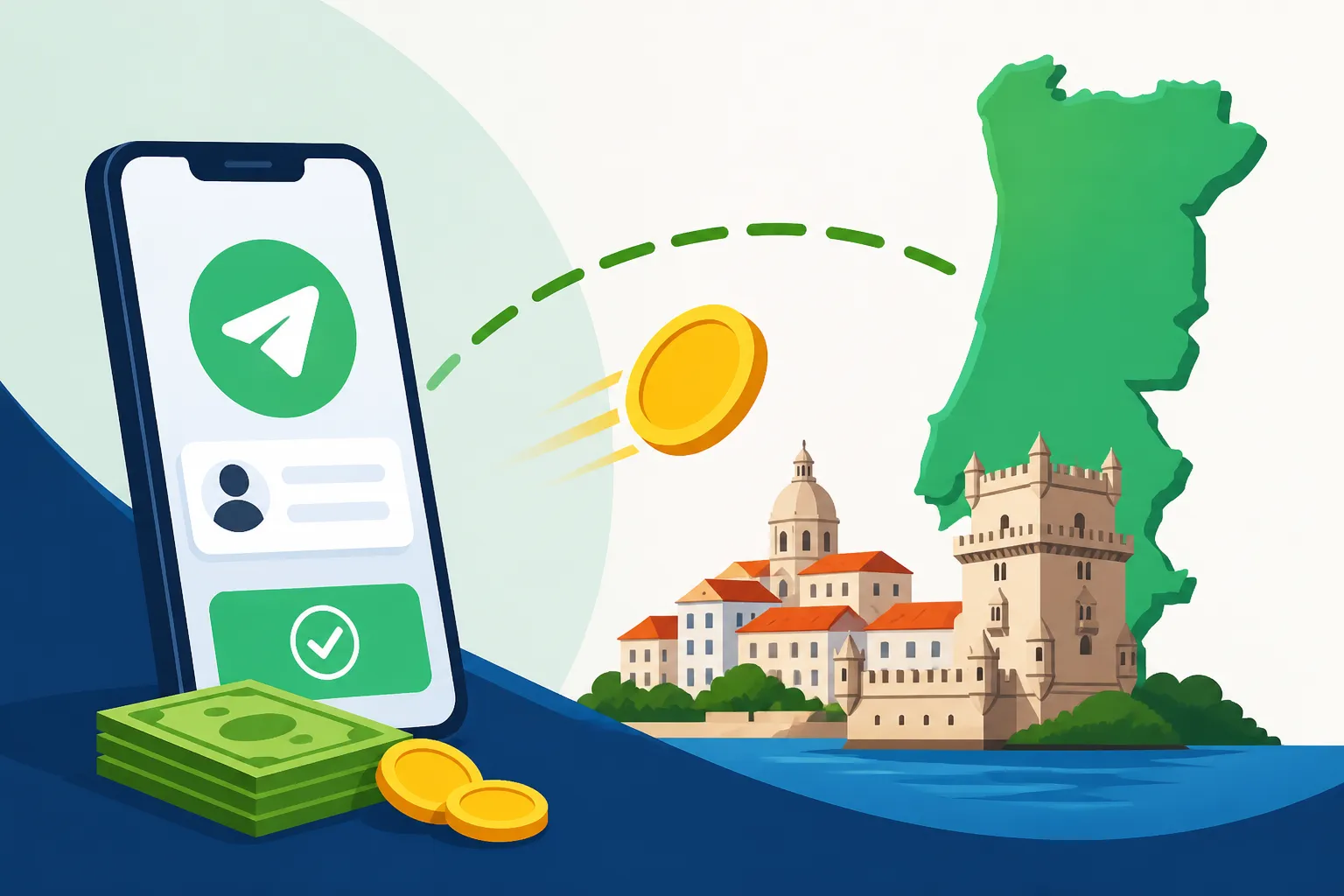
The most effective way to circumvent these high costs is by using specialized currency exchange platforms. These companies operate on a completely different model than traditional banks. Instead of sending money across borders, they maintain pools of currency in different countries. When you send USD or GBP, you are actually paying into their local account in your home country, and they pay out Euros to your Portuguese account from their local holdings in the EU.
For the vast majority of expats and digital nomads, Wise has become the gold standard for these types of transactions. What makes Wise different is their commitment to the "real" mid-market exchange rate. They charge a small, transparent fee upfront—usually a fraction of a percent—and then give you the exact rate you see on financial news sites. I’ve used them for everything from paying my monthly electricity bill to Transferring Money to Portugal: Saving on Exchange Rates and Fees, and the transparency is a breath of fresh air compared to the guessing game of traditional banking.
Another advantage of digital services is speed. Because these transfers often happen through the SEPA (Single Euro Payments Area) network once they reach Europe, the money can arrive in your Portuguese account in minutes, or at most, one business day. This is vital when you are managing the tight deadlines required for Opening a Bank Account in Portugal: Best Banks for Foreigners and Expats.
| Transfer Method | Average Exchange Rate Markup | Fixed Fees | Typical Speed |
|---|---|---|---|
| Traditional Bank | 3% – 5% | €25 – €50 | 3-5 Days |
| Wise | 0% (Mid-market rate) | Low % fee | Instant to 24 Hours |
| PayPal | 4% + | High | 1-2 Days |
| Currency Brokers | 0.5% – 1.5% | Usually zero | 1-2 Days |
Large Transfers for Visas and Property Purchases
If you are moving to Portugal on a D7 Passive Income Visa Portugal: 2026 Requirements and Step-by-Step Process or the D8 Digital Nomad Visa, you will likely need to transfer a significant amount of "proof of subsistence" funds into a Portuguese bank. For these larger sums—anything over €20,000—you might want to consider a dedicated currency broker.
While services like Wise are incredible for daily living and mid-sized transfers, a dedicated broker can sometimes offer "limit orders." This allows you to set a target exchange rate; the broker will only execute the transfer once the Euro hits that specific value. In a volatile market, waiting for a 1% shift in the exchange rate can save you thousands of Euros when you are Buying Property in Portugal as a Foreigner: The Step-by-Step 2027 Guide.
It is also important to remember that large inbound transfers will trigger anti-money laundering (AML) checks in Portugal. Your Portuguese bank will likely call you or send an email asking for the source of funds. Always keep your payslips, property sale contracts, or tax returns handy. If you are worried about the tax implications of moving large sums, consulting with a firm like Taxes for Expats can ensure you aren't accidentally creating a taxable event or failing to report a foreign account back home.
Understanding the Role of Your NIF and Fiscal Residency
You cannot effectively manage your finances in Portugal without a NIF (Número de Identificação Fiscal). This is your tax identification number, and it is the key to everything from Opening a Millennium bcp account before arriving in Portugal to signing a gym membership. When you send money to yourself in Portugal, the bank will link those funds to your NIF.
If you are still a non-resident, your NIF might be linked to a foreign address. Once you move and get your residency permit, you must update your address with the Finanças (tax office). This change is crucial because it affects how your bank views your transfers. Residents and non-residents are treated differently under Portuguese law, especially regarding interest-bearing accounts. If you're unsure how to start the process of getting your tax ID, reading up on How to get an NIF remotely using services like Bordr, Anchorless, or e-residence can save you a lot of paperwork headaches at the local tax office.
Furthermore, being a resident means you are likely subject to Portuguese Taxes for Expats: IRS, Tax Residency, and Filing Deadlines. This means that while sending money to yourself isn't usually taxed, the income that generated that money might be. Working with a specialist like Taxes for Expats can help you navigate the complexities of dual-taxation treaties, ensuring that you don't pay the IRS in the States and the Finanças in Portugal for the same dollar earned.
Tips for Avoiding High Fees and Common Pitfalls
Timing is everything when it comes to currency exchange. One mistake I see many new arrivals make is sending money on Friday afternoons. The foreign exchange markets close over the weekend, and many providers will build in an extra "buffer" or markup to protect themselves against market gaps when the trades reopen on Monday. To get the absolute lowest fees with Wise, try to initiate your transfers on Tuesday or Wednesday when market liquidity is at its highest.
Another pitfall is using "Instant" transfer options on debit cards. While it feels convenient to move money with a card click, the fees are often significantly higher than a standard "ACH" or "Direct Debit" transfer from your home bank account to the provider. If you aren't in a desperate rush to pay a bill this second, always choose the bank-to-bank funding option within your transfer app to keep more Euros in your pocket.
Finally, always double-check the recipient details. Portuguese IBANs (International Bank Account Numbers) always start with "PT50" followed by 21 digits. If you are sending money to a third party, like a lawyer or a landlord, ensure you include a clear "Reference" or "Assunto." In Portugal, many administrative systems are still manual, and a transfer without a name or a NIF in the reference field can get "lost" in a law firm's holding account for weeks.
Practical Steps to Set Up Your First Transfer
To get started, your first step should be Opening a Bank Account in Portugal: Best Banks for Foreigners and Expats so you have a destination for your funds. Once you have your PT50 IBAN, you can link it to your chosen transfer service. I recommend setting up two different services—for example, Wise and a backup like Revolut—just in case one platform has a technical glitch on the day you need to pay your rent.
Before you hit send on a large amount, always do a "test" transfer of €10 or €20. This confirms that the connection between your home bank, the exchange service, and your Portuguese bank is working correctly. Once that small amount clears—usually within a few hours—you can confidently send the rest.
Navigating the financial shift to a new country is stressful enough without the fear of being overcharged. By avoiding traditional banks, using transparent mid-market rate providers, and keeping a close eye on your tax reporting obligations with help from Taxes for Expats, you can focus on what really matters: enjoying your new life under the Portuguese sun.
Disclaimer
This guide is for informational purposes only and does not constitute professional financial, legal, or tax advice. Exchange rates and service fees are subject to market volatility and provider policy changes. Always perform your own due diligence and consult with a certified accountant or financial advisor before making large international transfers or changing your tax residency.