How to Get a Referral to a Specialist in Portugal
Disclosure: This article contains affiliate links. If you buy through them, we may earn a commission at no extra cost to you. Read our full disclosure.
Trying to see a cardiologist or a dermatologist in Portugal can often feel like solving a puzzle where the pieces keep moving. I remember spending four hours at my local health center just to get a three-minute conversation that resulted in a referral for a scan six months away. This guide breaks down exactly how to bypass the bureaucratic stalls and successfully secure a specialist referral in both the public and private systems.
Navigating the Public SNS Referral Path
The Serviço Nacional de Saúde (SNS) is the backbone of Portuguese healthcare, but accessing a specialist within this system requires strict adherence to a specific hierarchy. You cannot simply call a public hospital and book an appointment with a neurologist; the system is gatekept by primary care providers to ensure that resources are distributed based on medical necessity.
The Essential Role of the Médico de Família
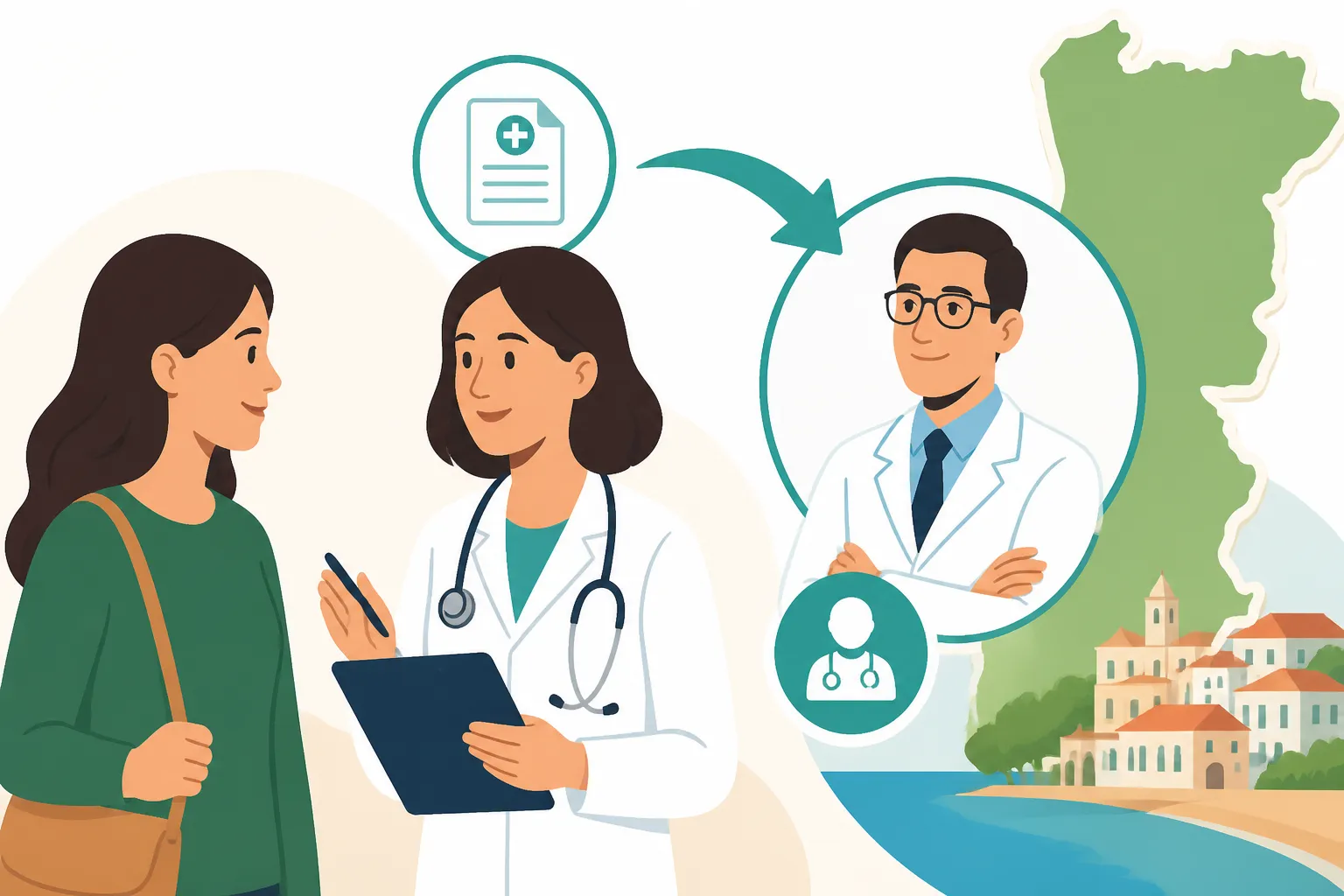
Everything in the public system begins and ends with your family doctor, or Médico de Família. To even begin the referral process, you must be properly registered at your local health center. If you haven't done this yet, you should prioritize Registering with the Centro de Saúde: Getting Your SNS Número de Utente to ensure you are in the system. Once registered, you book a "consulta de recurso" or a standard appointment to discuss your symptoms.
In my experience, you need to be very clear and firm about your symptoms during this initial meeting. The doctor acts as a filter. If they deem your case necessary for specialist intervention, they will issue an electronic referral through a system called C-Lest. This isn't a paper slip you carry to the hospital; it is a digital request sent directly to the hospital in your catchment area. You will then receive a letter or an SMS with the date and time of your appointment, which can take anywhere from a few weeks to over a year depending on the urgency.
Understanding Wait Times and the Triage System
The public system uses a priority-based triage. If your family doctor marks your referral as "Muito Urgente" (Very Urgent), you might be seen within 15 days. However, for "Normal" priority cases, the wait times can be staggering. This is often the biggest shock for expats coming from countries with faster private-sector-led models. You can actually track these wait times via the SNS Portal do Utente to see which hospitals have the shortest queues, though you are generally tied to the one in your residency area.
If you find yourself stuck in a long queue, you may eventually be issued a "Vale Cirurgia" or a "Vale Consulta" if the SNS cannot meet the legally mandated maximum wait time. This voucher allows you to take your referral to a private hospital that has a protocol with the state, and the government will foot the bill. It is a complex safety valve, but it requires patience and constant follow-up with the administrative staff at your Centro de Saúde. For those who can't wait, many look into Public vs Private Healthcare in Portugal: Which One Should Expats Choose? to weigh the pros and cons of staying in the public queue.
Going Private for Faster Specialist Access
For many foreigners living in Portugal, the private system is the preferred route for specialist care because it bypasses the "gatekeeper" requirement found in the SNS. If you have a specific concern and want to see a specialist tomorrow, the private sector is your best bet, provided you have the funds or the right insurance coverage.
Booking Directly at CUF or Hospital da Luz
In the private sector, you have the freedom to book a specialist appointment directly. You do not need a referral from a general practitioner to see a surgeon, an ophthalmologist, or a gynecologist at major networks like Hospital da Luz and CUF: Navigating Portugal's Biggest Private Hospitals. You can simply use their respective apps or websites, choose the specialty, and pick an available slot. This is remarkably efficient; I’ve often secured appointments for the following afternoon just by checking the cancellations on the app.
However, just because you can book directly doesn't always mean you should without checking your insurance first. While the convenience is high, the "out-of-pocket" costs can add up if you are frequently visiting specialists for chronic issues. If you are using a global plan like Cigna Global, you will find that most of these high-end private hospitals are in-network, making the billing process much smoother. For digital nomads or short-term residents, a plan from SafetyWing can also offer a safety net, though it is primarily designed for unexpected medical emergencies rather than routine specialist visits.
Insurance Requirements for Referrals and Reimbursements
This is where things get a bit tricky. Even though the hospital doesn't require a referral to let you in the door, your insurance provider might require one to pay the claim. Some "reimbursement" style policies insist that a GP must recommend the specialist visit for it to be covered under your "Outpatient" benefits.
Always check your "Condições Particulares" (Specific Conditions) in your policy. If you have a top-tier plan with Cigna Global, you often have more flexibility, but smaller local plans might be stricter. If you are unsure about which policy fits your needs for frequent specialist access, reading up on Private Health Insurance in Portugal: Costs, Coverage, and Best Providers can save you a lot of money in denied claims later.
| Feature | Public SNS Referral | Private System Referral |
|---|---|---|
| Primary Requirement | Must go through Family Doctor | Usually direct booking |
| Wait Time | Months to Years (usually) | Days to Weeks |
| Cost | Minimal Taxas Moderadoras | €50 – €120 (without insurance) |
| Choice of Specialist | Assigned by the system | You choose the doctor |
| Language | Primarily Portuguese | Often English-speaking |
Specialist Care Logistics and Costs
Understanding the financial and logistical side of specialist care will help you manage your expectations. Whether you are navigating Finding Doctors and Specialists in Portugal: English-Speaking Medical Care or just trying to get a second opinion, the "rules of the road" are quite consistent across the country.
Comparing Public and Private Out-of-Pocket Costs
In the public system, the costs are controlled by the state. You may have to pay Taxas Moderadoras: Co-payments and Costs in the Public Health System, which are small fees for consultations and exams. For a specialist visit, this might be around €7 to €10. However, many people are exempt from these fees based on income or chronic illness status. The downside is that you have very little say in which specialist you see, and the facilities, while medically excellent, can be quite crowded.
In contrast, a private specialist consultation without insurance typically ranges from €80 to €150. If you have a local insurance card like Médis or Multicare, your co-payment for that same visit might drop to €15 or €30. If you are using international coverage like Cigna Global, you might pay nothing at the point of service if the hospital has a direct billing agreement with them. For those on a budget or using nomadic insurance like SafetyWing, it is often cheaper to pay the "uninsured" rate at a smaller clinic than to go to the massive private hospitals in central Lisbon or Porto.
Communication and Language Barriers
One of the biggest hurdles I faced initially was explaining complex medical history in Portuguese. In major private hospitals, nearly all specialists speak excellent English. In the public SNS hospitals, it is a roll of the dice. Many younger doctors are fluent in English, but the administrative staff and nursing teams often are not.
If you are referred to a public specialist, I highly recommend bringing a list of your symptoms and medications written in Portuguese. You can also look into Telehealth and Online Doctors: Using TravelDoctores and Doctorsa as a midway point. These services often provide English-speaking GPs who can give you an initial assessment and tell you exactly which Portuguese medical terms you need to use when talking to your SNS specialist. This level of preparation is the difference between getting the care you need and leaving the office feeling misunderstood.
Practical Tips for Expats Seeking Referrals
After a few years in the system, I’ve learned that being a "passive patient" doesn't work well in Portugal. You have to be your own advocate. If you are feeling unwell and the public system is moving too slowly, don't be afraid to mix and match both systems.
Using Telehealth for Initial Assessments
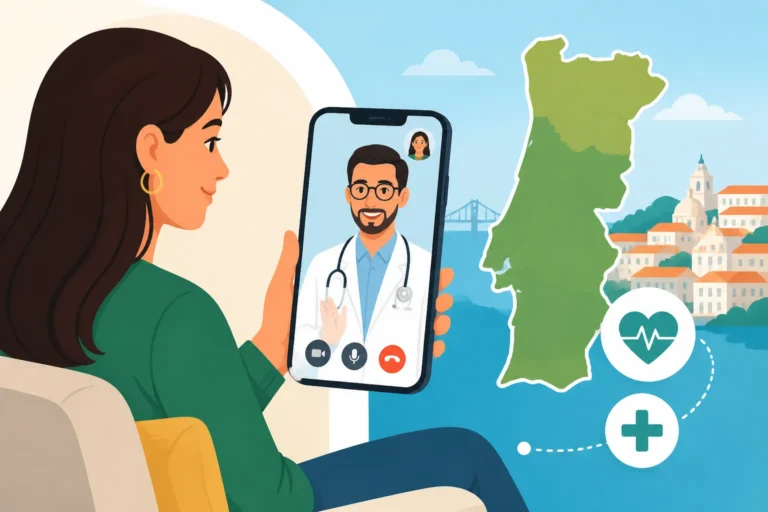
If you are struggling to get an appointment with your family doctor at the Centro de Saúde, consider a telehealth consultation. While an online doctor cannot physically examine you, they can provide a private referral that you can take to a private hospital. Some insurance providers even offer their own video-call platforms where the GP can issue prescriptions and referrals directly to your phone.
This is particularly useful if you need to see a specialist for something like Mental Health in Portugal: Finding Therapists and Psychiatrists for Expats. Mental health referrals in the public system are notoriously slow, and starting with a private consultation can get you the help you need while you wait for the public system to catch up. I’ve used telehealth several times when I had a flare-up of a chronic issue, and it saved me a full day of sitting in a waiting room.
Handling Emergency Referrals and Follow-ups
If your situation is urgent but not life-threatening, your best bet is often the "Urgências" (Emergency Room) at a private hospital. They have specialists on call who can see you immediately. If the ER doctor determines you need a follow-up with a specialist, they will handle the referral right there. This is a "fast-track" method, though it is the most expensive way to enter the specialist system.
Keep in mind that Emergency Medical Care in Portugal: Calling 112 and Going to the Hospital is generally very efficient. If you go to a public ER and they find a serious issue, they will refer you to an internal specialist immediately. However, for chronic but non-emergency issues, the ER is not the place to get a referral. They will simply tell you to go back to your Médico de Família. Consistency is key; keep all your records from Finding an English-Speaking General Practitioner (Médico de Família) in one folder so that whenever a specialist referral finally comes through, you have your history ready to go.
Ultimately, getting a referral in Portugal is about knowing which system to trigger at which time. If you have the time and need to save money, stick with the SNS. If you have the insurance—whether it is a robust plan from Cigna Global or a more flexible one from SafetyWing—and you need answers now, the private route will save you a world of stress.
Disclaimer
This guide is for informational purposes only and is based on personal experience and general knowledge of the Portuguese healthcare system as of 2026. Medical laws and insurance policies frequently change in Portugal. Always consult with a qualified medical professional or your insurance provider regarding your specific health needs and coverage. The author is not a doctor or a legal expert.