Transferring money out of Portugal: Limits and reporting rules for large sums
Disclosure: This article contains affiliate links. If you buy through them, we may earn a commission at no extra cost to you. Read our full disclosure.
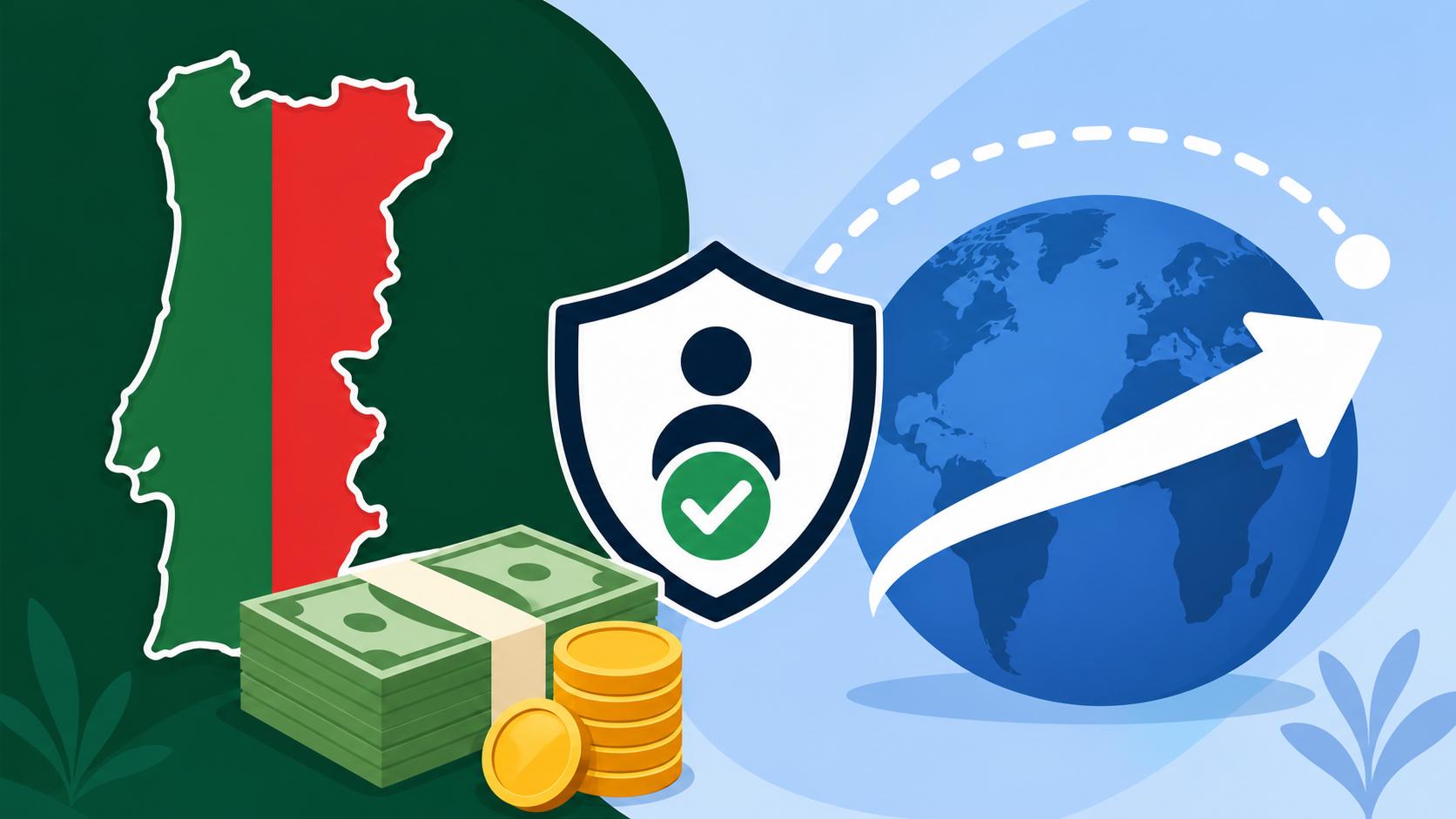
Moving your hard-earned money out of Portugal often feels like trying to navigate a maze where the walls keep moving and the exit signs are written in code. I remember the sheer anxiety of my first large transfer when my Portuguese bank blocked the transaction without warning, leaving me stuck on a 45-minute hold. This guide breaks down the legal limits, reporting requirements, and the most cost-effective ways to transfer large sums out of the country while staying fully compliant with the law.
The Legal Framework for Large Transfers in Portugal
When you decide to move a significant amount of capital across borders, you aren't just dealing with a simple bank click; you are interacting with the European Union’s Anti-Money Laundering (AML) directives and the specific oversight of the Banco de Portugal. It is a common misconception that there is a "hard limit" on how much you can transfer electronically. In reality, you can move millions if you want to, provided you can prove where the money came from and where it is going.
The Portuguese authorities are primarily concerned with the prevention of tax evasion and money laundering. As such, the banking system is designed to flag "unusual activity." If you have been living on a modest salary and suddenly attempt to wire €250,000 to a foreign account, the system will trigger a manual review. This is where most expats get into trouble—not because they are doing anything illegal, but because they aren't prepared for the bureaucratic scrutiny that follows.
For anyone planning a major exit, reading up on Money and Finance in Portugal: The Ultimate 2026 Guide for Expats is a great starting point to understand how the local financial ecosystem interacts with global markets. Understanding that the bank is legally obligated to "know their customer" (KYC) will help you stay patient when they ask for your last three months of payslips or a property sale deed.
The Ten Thousand Euro Rule
While electronic transfers are technically unlimited, physical cash is a different story. If you are leaving Portugal with more than €10,000 in cash, or its equivalent in another currency, you are legally required to declare it to the Alfândega (Customs). This applies to anyone entering or leaving the EU. Failing to declare this can lead to the immediate seizure of the funds and heavy fines.
Even for electronic transfers, the €10,000 mark is a psychological and technical threshold. Most banks have internal systems that automatically report transfers exceeding this amount to the Central Bank for statistical and oversight purposes. You don't usually have to do anything for this automatic report, but you should have your documentation ready just in case. If you are confused about your tax obligations before making such a move, checking the details in Portuguese Taxes for Expats: IRS, Tax Residency, and Filing Deadlines can save you from a nasty surprise later.
Reporting Requirements for the Tax Authority
The Autoridade Tributária e Aduaneira (Finanças) keeps a very close eye on the movement of capital, especially for those who are tax residents in Portugal. If you are transferring funds that were generated through income or the sale of assets in Portugal, you must ensure that these have been correctly declared in your annual IRS (Income Tax) return.
A common scenario involves an expat selling their home in Lisbon or the Algarve and moving the proceeds back to their home country. Before you hit "send" on that transfer, you must account for potential taxes. The bank may ask for proof that the capital gains tax has been handled or that the funds are from a legitimate, taxed source. If you find yourself in this complex situation, it might be time to look into Finding an English-Speaking Certified Accountant (Contabilista Certificado) to ensure your final filings are airtight.
Moving Proceeds from Property Sales
Selling a house is perhaps the most common reason for a massive outbound transfer. Because property values in Portugal have skyrocketed over the last few years, the sums involved are often life-changing. However, the process of moving this money is more rigorous than a standard savings transfer.
When you sell a property, the bank facilitating the transfer will almost certainly request the "Escritura" (the final deed of sale). They need to verify that the €400,000 hitting your account is actually from a legal real estate transaction. Once that money is in your account, you aren't out of the woods yet. You need to consider the Capital Gains Tax in Portugal: Property Sales, Stocks, and ETF Dividends rules, which can take a significant bite out of your proceeds if you aren't reinvesting the money into another primary residence within the EU.
Withholding and Verification
In some cases, if you are no longer a tax resident at the time of the sale, there might be a requirement for a fiscal representative to oversee the transaction. The bank will want to see that the "Imposto de Selo" (Stamp Duty) and other transaction taxes were paid at the time of the deed. If you try to transfer the full gross amount without accounting for the commissions and taxes, you might find your account frozen for an internal audit.
Some expats lose weeks of time because they didn't have a digital copy of their sales contract ready to upload to their bank's portal. The Portuguese banking system has become significantly more digitalized, but the human element—the compliance officer—still needs to check the boxes. Make sure your NIF is updated and your address on file matches your current residency status to avoid red flags.
Managing Large Sums for Investments
If you aren't leaving Portugal but simply diversifying your wealth, you might be moving money to platforms like Trade Republic to take advantage of better interest rates or global ETF access. Even for "self-to-self" transfers, where the name on both accounts is the same, the bank may still flag the transaction if the amount is high.
When moving money to a brokerage, the reporting rules are the same, but the purpose is different. You are essentially moving liquidity into an investment vehicle. In this case, keeping a record of the transfer "route" is vital. If you ever bring that money back into Portugal, you will need to prove it was already taxed capital. For those looking at more modern asset classes, Wealth Building and Investing in Portugal: Capital Gains and Crypto Taxes provides a deep dive into how the government views these movements.
Choosing the Right Transfer Method
Using a traditional Portuguese high-street bank to move €100,000 is often the most expensive way to go. Between the SWIFT fees and the hidden exchange rate markups (which can be as high as 3-5%), you could easily lose the price of a small car just in transaction costs.
Savvy expats use a mix of neobanks and specialized currency brokers. For example, using Wise for large transfers is a popular choice because they offer the mid-market exchange rate and transparent fees. They are also well-versed in the documentation required for large sums, often providing a smoother "compliance" experience than traditional banks like Millennium bcp or CGD.
| Method | Typical Fees | Speed | Best For |
|---|---|---|---|
| Traditional Bank | High (€30+ plus 3% FX margin) | 3-5 Days | Reliability for huge (€500k+) sums |
| Wise | Low (Transparent % fee) | 0-2 Days | Most standard large transfers |
| Trade Republic | Free (SEPA) | 1-2 Days | Moving funds for Euro-denominated investing |
| Binance | Variable (Network/P2P fees) | Minutes | Moving wealth via stablecoins |
| Currency Broker | Negotiable | 2-3 Days | Personalized service for property sales |
Utilizing Neobanks and Investment Platforms
For those who earn in Euro and are moving money within the SEPA zone, the process is significantly cheaper. Platforms like Trade Republic allow for easy SEPA transfers, and since the currency doesn't change, you avoid the predatory exchange rates. If you are moving money to the US, UK, or Canada, however, the exchange rate is where the "hidden" cost lives.
Always ask your bank for the "Total Cost of Transfer" including the exchange rate margin. If they won't give it to you, it's a sign they are hiding a hefty fee. This is why services like Transferring Money to Portugal: Saving on Exchange Rates and Fees are so often discussed in expat circles; the same logic applies when moving money out.
The Role of Cryptocurrency in Moving Wealth
For the more tech-savvy, moving large amounts of value out of Portugal can be done via platforms like Binance. By converting Euros into stablecoins (like USDT or USDC), you can move value across borders almost instantly. However, Portugal has updated its laws significantly. If you are liquidating crypto to move the cash out, you must be aware of the Cryptocurrency Tax Laws in Portugal 2026: 28% Rule vs 1-Year Exemption to ensure you aren't accidentally committing tax fraud.
While crypto offers speed, it also invites the highest level of AML scrutiny from traditional banks. If you transfer €50,000 from a crypto exchange into a traditional Portuguese bank account to then send it abroad, expect your account to be flagged. You will need clear records of every trade and the original source of the funds.
Preparation and Practical Steps
Before you initiate a transfer that looks like a phone number, you need a checklist. First, notify your bank. It sounds simple, but calling your account manager (if you have one) or visiting the branch to tell them, "I am selling my house and will be moving €200,000 next week," can prevent the automated system from locking your digital access.
Secondly, gather your "Source of Wealth" documents. This includes:
- The property sale deed (Escritura).
- Inheritance documents (if applicable).
- Tax returns showing the income was declared.
- Bank statements from the last 6 months.
Closing Your Financial Life in Portugal
If the transfer is part of a permanent move, you shouldn't just send the money and disappear. You need to formally close your accounts and settle your final tax obligations. Many expats forget this and find themselves being chased by Finanças years later for "unpaid" account fees or minor tax discrepancies. Following a structured plan like the one in Leaving Portugal: Closing Bank Accounts and Settling Final Tax Bills is the best way to ensure you leave with a clean slate.
Remember that once you are no longer a resident, your relationship with the bank changes. Some banks may even insist on closing your account if you no longer have a Portuguese address. It is often easier to move the bulk of your funds while you are still physically in the country and have access to your local SIM card for SMS two-factor authentication.
Avoiding Common Pitfalls
The biggest mistake I see is "smurfing"—trying to send ten transfers of €9,900 to avoid the €10,000 reporting threshold. This is a massive red flag for anti-money laundering software. It looks much more suspicious than a single, well-documented transfer of €99,000. Banks are trained to look for patterns of "structuring," and it can lead to your account being closed and your funds held for an indefinite investigation.
Another pitfall is ignoring the daily transfer limits on your banking app. Most apps have a default limit (often between €5,000 and €20,000). To move more, you usually have to increase the limit manually in the settings or, in many cases, provide a signed written request to the bank.
Final Thoughts on Moving Your Capital
Transferring large sums out of Portugal doesn't have to be a nightmare, but it does require you to be more organized than the average consumer. The system is designed to catch criminals, but it often entangles honest expats who are just trying to go home or invest elsewhere. By using transparent services like Wise for your currency needs, keeping your documents in a dedicated folder, and ensuring your taxes are settled, you can move your wealth with confidence.
Stay proactive. Don't wait until the day before your flight to start the transfer. Give yourself at least a two-week window to handle any "requests for information" from the compliance department. Portugal is a beautiful place to live, but its administrative requirements don't stop just because you've decided to move on.
Disclaimer
This guide is for informational purposes only and does not constitute legal, financial, or tax advice. Laws regarding international transfers and taxation change frequently. Always consult with a certified financial advisor or a qualified accountant in Portugal to discuss your specific situation and ensure full compliance with current regulations.