How to See Dolphins in the Algarve or Setúbal
Disclosure: This article contains affiliate links. If you buy through them, we may earn a commission at no extra cost to you. Read our full disclosure.
The dream of seeing wild dolphins leap and play in the waters off Portugal is a common one, and for good reason! However, trying to figure out where to go, which tour to pick, and what to expect can feel like navigating a maze, especially when you're just getting your bearings in a new country. This guide is designed to cut through that confusion, offering you an expat’s seasoned advice on how to make your dolphin watching dream a reality in both the famous Algarve and the unique Setúbal region.
Portugal: A Marine Mammal Paradise
Portugal, with its extensive Atlantic coastline and unique estuarine environments, offers truly spectacular opportunities to observe marine life in its natural habitat. It's not just a tourist gimmick; these waters are teeming with various dolphin species, making an encounter a real possibility, rather than just a hopeful wish. For those of us who've spent a fair bit of time here, there's a deep appreciation for the country's commitment to marine conservation, which directly benefits these magnificent creatures.
The Rich Marine Ecosystem and Resident Dolphin Species
The waters surrounding Portugal are a vibrant, biodiverse haven, attracting various cetacean species. While you might conjure images of the classic bottlenose dolphin, there’s a whole cast of characters out there. The most commonly sighted species include the energetic common dolphin, known for its playful acrobatics and tendency to ride bow waves, and the more robust bottlenose dolphin, which is often seen in slightly smaller, more stable groups. These are the stars of the show in both the open Atlantic waters off the Algarve and the unique estuarine environment of Setúbal.
Beyond these, if you're particularly lucky, you might spot striped dolphins, Rissos dolphins, or even occasionally a pilot whale or minke whale, though these are much less frequent visitors on typical dolphin tours. The sheer abundance of fish, thanks to the meeting of nutrient-rich currents, creates a perfect feeding ground, making these waters an ideal home for these intelligent mammals. The Portuguese government and local communities have made significant efforts to protect these marine environments, understanding that a healthy ocean benefits everyone, from the smallest fish to the largest dolphin and, of course, us curious humans.
The Best Seasons and Conditions for Dolphin Spotting
While dolphins can technically be seen year-round in many areas, some seasons offer more reliable and pleasant viewing experiences. Generally, the warmer months from April to October are considered peak season. During this period, the seas are typically calmer, the weather is more predictable, and there's often more marine activity overall. Calmer waters not only make for a more comfortable boat ride – a huge plus if you're prone to seasickness – but also make it easier for guides to spot fins and splashes from a distance.
That said, I've had incredible winter sightings too! The key factor isn't just the season, but the sea conditions on any given day. A calm, sunny winter day can be just as fruitful as a bustling summer afternoon. Most reputable tour operators will be transparent about the likelihood of sightings based on current conditions. They often communicate directly with other boats and marine biologists to get real-time updates on dolphin movements. It's always a good idea to book your trip with some flexibility or choose an operator that offers a second trip if your first one doesn't yield a sighting, though this is rare given the high success rates.
Before you go, check the marine forecast for wind and swell. If it's a bit choppy, prepare yourself or reconsider if you're very sensitive to motion. A veteran expat tip: if the forecast looks rough, sometimes waiting a day or two can make all the difference for a much more enjoyable experience.
Algarve vs. Setúbal: Your Dolphin Watching Destination Showdown
When it comes to dolphin watching in Portugal, two regions consistently rise to the top: the sun-drenched Algarve and the ecologically rich Setúbal Peninsula. Both offer incredible encounters, but the experience in each is distinctly different, shaped by their unique geography and marine ecosystems. It's not about which one is "better," but which one aligns more with the kind of adventure you're seeking.
The Allure of the Algarve: Atlantic Thrills and Cave Combos
The Algarve, with its dramatic coastline, golden beaches, and lively tourist towns, is probably what most people think of when they imagine dolphin watching in Portugal. Towns like Albufeira, Lagos, and Vilamoura are bustling hubs for these tours, with a wide array of operators lining their marinas.
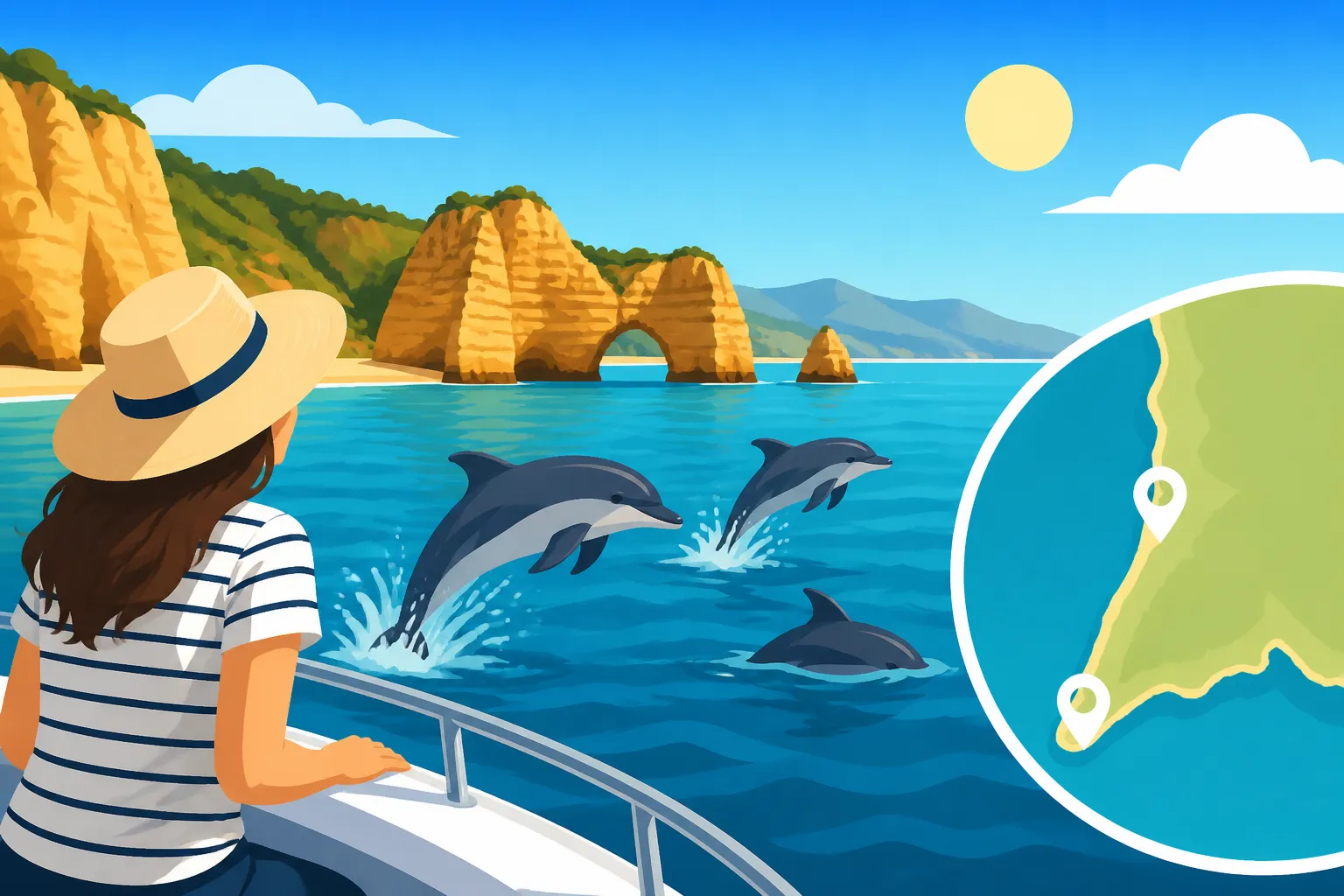
The beauty of dolphin watching in the Algarve is that it takes place in the open Atlantic Ocean. This means you're often out on speedboats (RIBs, or rigid-hulled inflatable boats) that can quickly cover distances to reach the dolphin pods. The common and bottlenose dolphins here are wild, free-ranging ocean dwellers, and seeing them in this vast expanse is truly breathtaking. They often approach the boats out of curiosity, playfully swimming alongside, putting on a show that feels incredibly natural and unscripted.
Many tours in the Algarve also combine dolphin watching with exploring the region's famous sea caves, most notably the stunning Benagil Cave. This combination offers a fantastic two-for-one experience: the thrill of wildlife observation followed by the awe-inspiring beauty of nature's geological artistry. The boats used for these combined tours are usually smaller to navigate the cave entrances, adding to the adventurous feel. You can often find these combination tours listed on platforms like GetYourGuide, where you can read reviews and compare options before booking.
However, a word of caution: the open Atlantic can be unpredictable. While exhilarating, the ride on a RIB can be bouncy, especially if there's a swell. If you're susceptible to seasickness, it's something to consider. Also, because you're covering vast distances, the focus is heavily on finding the dolphins, and less on a leisurely cruise. It’s an energetic, active experience.
Setúbal and the Sado Estuary: Resident Pods and Serene Nature
Now, let's talk about Setúbal. Just an hour south of Lisbon, the Sado Estuary offers a completely different, yet equally magical, dolphin watching experience. What makes Setúbal so special is its resident population of bottlenose dolphins – about 30 individuals who live and breed within the calm, protected waters of the estuary and the surrounding Arrábida Natural Park. This makes Setúbal one of the very few places in the world with a resident population of bottlenose dolphins living in an estuary.
The tours here are generally more focused on conservation and education. You'll typically embark on larger, more stable catamarans or traditional sailing boats, which offer a gentler ride. The guides are often marine biologists or passionate naturalists who know each individual dolphin by name and can share fascinating insights into their social structures, behaviors, and the challenges they face. The focus isn't just on seeing a dolphin, but on understanding their world.
Because it's a resident pod in a somewhat confined (though still vast) area, the chances of a sighting are incredibly high, often cited as 95% or more. This makes it a fantastic option if you have children or anyone who might be disappointed by not seeing dolphins. The backdrop of the Arrábida Natural Park, with its lush green hills cascading down to turquoise waters, is absolutely stunning and adds another layer of beauty to the trip. The calmer waters also mean it's a much more relaxed experience, ideal for those who prefer a tranquil cruise over an adrenaline-fueled dash.
Getting to Setúbal is relatively easy from Lisbon. You can take a train or bus, and services like Omio can help you plan your journey. If you decide to stay overnight, there are some lovely guesthouses and hotels in Setúbal, and you can find great deals on Booking.com. It's a fantastic area to explore beyond just the dolphins, with delicious fresh seafood and beautiful beaches nearby.
Here’s a quick comparison to help you weigh your options:
| Feature | Algarve Dolphin Watching Experience | Setúbal Dolphin Watching Experience |
|---|---|---|
| Location | Open Atlantic Ocean, accessible from various towns (Albufeira, Lagos) | Sado Estuary & Arrábida Natural Park, primarily from Setúbal City |
| Dolphin Type | Primarily Common and Bottlenose, transient ocean dwellers | Resident Bottlenose Dolphins (stable pod) |
| Sighting Rate | Very High (often 80-90%), but not guaranteed due to vast ocean | Extremely High (often 95%+), thanks to resident pod in defined area |
| Boat Type | Often RIBs (speedboats) for thrills; smaller boats for cave tours | Usually larger, more stable catamarans or traditional boats for comfort |
| Ride Quality | Can be fast and bouncy, potentially seasickness-inducing | Generally calm and smooth in the sheltered estuary |
| Tour Focus | High-energy search, often combined with cave exploration | Educational, conservation-focused, serene observation of resident pod |
| Scenery | Dramatic cliffs, sea caves, open ocean vistas | Lush green hills of Arrábida, calm estuary, pristine beaches |
| Best For | Adventure seekers, those combining with cave tours, open ocean experience | Families, conservation enthusiasts, those prone to seasickness, relaxed pace |
Choosing Your Dolphin Watching Tour: Making an Ethical and Enjoyable Choice
Deciding where to go is just the first step. The next, and perhaps most crucial, is choosing the right tour operator. This isn't just about getting a good deal; it's about ensuring an ethical experience for the dolphins and a safe, memorable one for you. Not all tourism operators are created equal.
Tour Operator Considerations: Licenses, Ethics, and Multilingual Guides
First and foremost, always choose a licensed operator. This might seem obvious, but sadly, there are always a few rogue boats trying to cut corners. A licensed operator will adhere to safety regulations, have proper insurance, and usually employ trained crew. You can often check for licenses on their websites or by asking directly. Look for companies that explicitly state their commitment to ethical dolphin watching. This means maintaining a respectful distance from the animals, avoiding sudden movements or loud noises, and never chasing or feeding them. The goal is observation, not interference. Many operators in Portugal are part of marine conservation initiatives and will proudly display these affiliations.
Another practical consideration, especially if your Portuguese isn't quite fluent yet, is the availability of multilingual guides. Many tour operators, particularly in tourist-heavy areas like the Algarve, offer tours in English, Spanish, French, and German. Being able to understand the guide's explanations about dolphin behavior, the local ecosystem, and safety instructions significantly enhances the experience. Don't be shy to ask about language options when booking! Platforms like GetYourGuide often specify the languages offered by guides for each tour.
Boat Types and Comfort: Speed, Stability, and Seasickness
The type of boat you choose will heavily influence your experience.
- RIBs (Rigid-hulled Inflatable Boats): These are fast, nimble, and can cover large areas quickly, making them ideal for finding dolphins in the open ocean, especially in the Algarve. They offer an exhilarating, close-to-the-water experience. However, they are also less stable and can be quite bumpy in choppy conditions, making them a poor choice if you're prone to seasickness. They also offer minimal shelter from sun or spray.
- Larger Catamarans or Traditional Boats: More common in Setúbal and for more relaxed tours in the Algarve, these boats offer greater stability, more space to move around, and often have shaded areas or even restrooms. They provide a smoother ride, which is a blessing for those sensitive to motion. While slower, their elevated decks often provide excellent viewing angles for spotting dolphins.
- Small, Specialized Boats for Cave Tours: If you're combining dolphin watching with cave exploration in the Algarve, you'll be on smaller vessels. These offer an intimate experience but again, can be less stable in open waters.
If you know you get seasick, prioritize stability. Take motion sickness medication before you board, not after you start feeling queasy. Focus on the horizon, stay on deck if possible, and avoid reading or looking at your phone.
Ethical Dolphin Watching: Respecting Wildlife Above All
This point cannot be stressed enough: our desire to see these magnificent creatures must never come at the expense of their well-being. A truly great dolphin watching experience is one where the animals are undisturbed and behave naturally.
Ethical operators adhere to strict guidelines:
- Maintain Distance: They keep a safe and legal distance, typically 50-100 meters, to avoid stressing the dolphins.
- Approach Slowly and Parallel: They approach slowly from the side, allowing the dolphins to decide if they want to interact with the boat, rather than chasing them.
- Limit Time: They limit the observation time with any single pod to avoid prolonged disturbance.
- No Feeding or Swimming: Ethical tours strictly prohibit feeding the dolphins or swimming with them, as this can habituate them to humans and disrupt their natural behaviors.
- Educate Passengers: Good guides will educate passengers on proper behavior and the importance of conservation.
When researching tours, look for operators that emphasize these points. A company that boasts about getting "up close and personal" in a way that sounds too good to be true might be cutting corners ethically. Always prioritize the dolphins' welfare; after all, we're guests in their home.
Practical Tips for Your Dolphin Watching Adventure
You’ve picked your spot, chosen your ethical tour, and now it’s time for the adventure! But like with any good expedition in Portugal, a little bit of preparation can go a long way to ensure everything runs smoothly. From booking to what to pack, here's what I've learned from my own experiences out on the water.
Booking Your Tour and Pre-Trip Preparations
First off, book in advance, especially if you're traveling during peak season (June to September) or around public holidays. The best tours fill up quickly, and turning up on the day hoping for a spot can lead to disappointment. Many operators now allow online booking directly through their websites, or you can use platforms like GetYourGuide to browse options and secure your spot. These sites also allow you to see other people's experiences and ethical ratings, which is super helpful.
Once you're booked, a bit of preparation will make your trip much more enjoyable:
- Sun Protection is Non-Negotiable: Even on cloudy days, the sun reflecting off the water can be intense. Bring high SPF sunscreen, a wide-brimmed hat (one that won't blow off easily!), and sunglasses. Trust me, I've had many a burnt nose from forgetting this!
- Dress in Layers: Even if it's hot on land, it can be significantly cooler and windier out on the water. A light jacket or windbreaker is a must, even in summer. You'll be grateful for it when the boat picks up speed or when a sea breeze kicks in.
- Hydration: Bring a bottle of water. Salt spray and sun can dehydrate you quickly.
- Camera with a Strap: You'll want to capture those magical moments, but the boat can be bumpy. Use a neck or wrist strap to prevent your phone or camera from taking an unplanned swim. If you have a waterproof camera, even better!
- Snacks: Most tours don't provide food, so if you get peckish, bring a small snack.
- Medication: If you're prone to seasickness, take your medication at least an hour before boarding. Don't wait until you feel ill, it'll be too late!
If you're making a special trip to the Algarve or Setúbal for dolphin watching and need accommodation, remember to check out Booking.com. It's a lifesaver for finding everything from cozy guesthouses to larger hotels near the marinas.
Getting to Your Departure Point
Portugal's public transport system, while generally good, can sometimes require a bit of planning, especially if you're heading to smaller coastal towns. For destinations like Setúbal, you can easily take a train or bus from Lisbon. For journeys between major cities or regions like the Algarve, resources like Omio can help you find and book bus or train tickets efficiently.
- Algarve: If you're staying in one of the main towns like Albufeira or Lagos, your departure point (usually the marina) will likely be within walking distance or a short taxi/Uber/Bolt ride. If you're coming from a different town, consider local buses or arrange private transport. Parking at marinas can be busy, especially in summer, so allow extra time.
- Setúbal: The departure points for dolphin tours are typically along the city's waterfront. If you're arriving by train or bus from Lisbon, the station is a manageable walk or short ride to the marina area. Parking is generally easier here than in the bustling Algarve towns.
Always double-check your tour operator's instructions for the exact meeting point and recommended arrival time. Being fashionably late isn't a thing when boats are on a schedule! For those interested in exploring how to get around the country, our guide on Public Transport and Driving in Portugal: Trains, Tolls, and Licenses offers a deeper dive.
What to Expect on Board and the Thrill of the Sighting
The moment you board, you'll be given a safety briefing. Listen carefully, especially regarding life jackets and what to do in an emergency. The atmosphere on board is usually one of anticipation and excitement. Most tours will head straight out to the areas where dolphins have recently been sighted or where they are known to frequent.
Now, for the honest truth: while sightings are highly probable, especially in Setúbal, there's never a 100% guarantee with wild animals. Anyone who promises you a definite sighting is not being truthful. This is why choosing an ethical operator committed to the animals' welfare, rather than just delivering a "show," is so important. They understand that nature sets the schedule.
However, the vast majority of the time, you will see them. And when you do, it's an absolutely magical moment. The thrill of the chase, the captain excitedly pointing, and then that first glimpse of a fin breaking the surface – it's pure joy. Watch for the dolphins leaping, playing in the boat's wake, or simply swimming gracefully alongside. Each encounter is unique, and it’s a privilege to witness. The sheer beauty of the Portuguese coast from the water is also a highlight, even before the dolphins make their grand appearance. If you're planning to explore more of Portugal's diverse regions, our article on Where to Live in Portugal: Lisbon, Porto, Algarve, and Silver Coast Compared can help you decide.
Don't forget to soak it all in, not just through your camera lens. Sometimes, the best memories are the ones you experience fully, without the barrier of a screen.
Disclaimer
The information provided in this guide is for general informational purposes only and does not constitute professional advice. While we strive to provide accurate and up-to-date information, circumstances and regulations in Portugal can change. We recommend verifying details with official sources, tour operators, and relevant authorities before making any decisions. Always prioritize your safety and the welfare of wildlife during any marine activity.